
Exploring Love and Isolation in 'Pyre': A Unique Cinematic Journey
The Journey of 'Pyre'
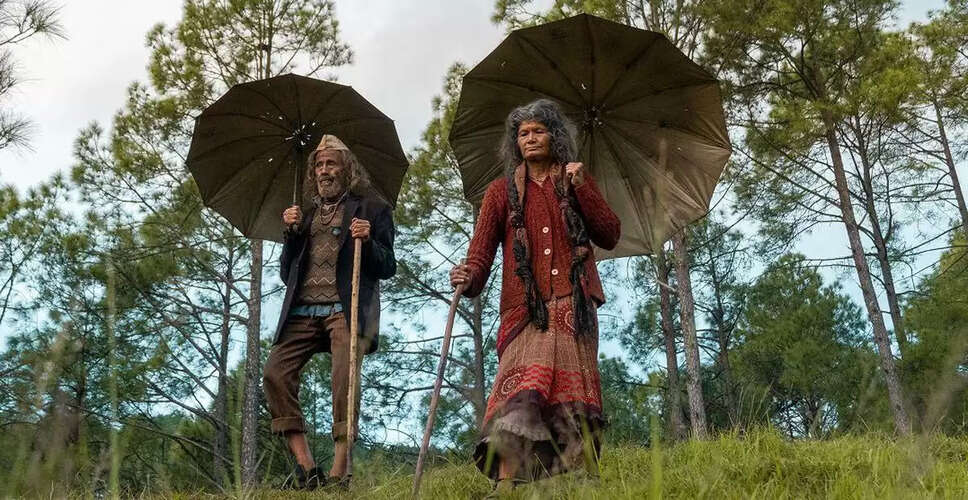
Originally, the film Pyre was set to feature renowned actors Naseeruddin Shah and Ratna Pathak Shah as an elderly couple living in a secluded village in Uttarakhand. However, unforeseen circumstances altered this plan.
In 2020, after Naseeruddin Shah contracted Covid-19, which hindered his ability to film at high altitudes, writer-director Vinod Kapri opted to cast local non-professional actors from Uttarakhand. This decision led to the film's production in 2022, and it has since been showcased at numerous film festivals, captivating audiences with the endearing performances of Padam Singh and Heera Devi.
Kapri describes Pyre as a deeply romantic narrative. This film marks his third fictional feature, following Miss Tanakpur Haazir Ho (2015) and Pihu (2018), and it tells the story of goat herders Padam and Tulsi, who have been married for over six decades. Their only son left years ago and has not returned.
Padam and Tulsi are among the few remaining residents of a ghost hamlet in Uttarakhand, a region affected by migration. When Tulsi falls ill, Padam must use a trumpet to call for help from distant neighbors, as the journey to the nearest hospital is arduous.
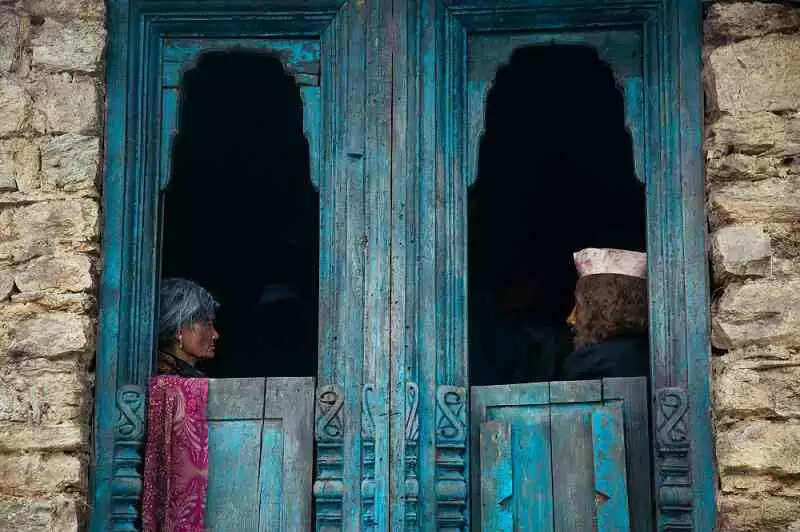
The Hindi-Kumaoni film poignantly delves into the couple's solitude, health struggles, and the looming specter of death. They often question the purpose of their existence, and despite their frequent bickering and dark humor, their love for each other is evident.
Kapri believes the film resonates with a wide audience due to the couple's profound loneliness, their bond, and the complex emotions they share. He emphasizes the universal nature of their story.
Inspired by the challenges faced by Kumaon's residents, Kapri's narrative draws from an encounter with an elderly couple he met during a trek in Uttarakhand.
He recalls being struck by the sight of them tending to 30-40 goats and their struggles with healthcare access when illness struck. The old man shared that he had to give away a goat each time he sought medical assistance.
When Kapri inquired about what would happen when they ran out of goats, the man replied, 'We will be gone before that happens.' This poignant exchange inspired Kapri to tell their story through film.
Initially, Kapri aimed to cast the same couple for authenticity and even filmed some scenes with them, but the plan fell through. After considering Naseeruddin Shah and Ratna Pathak Shah, and facing challenges in finding suitable replacements, the project was temporarily shelved. Kapri then directed the documentary 1232 KMs (2021), which followed laborers cycling home during the Covid lockdown.
Having previously worked as a television journalist, Kapri's first documentary, Can’t Take This Shit Anymore (2014), won a National Film Award for its focus on sanitation issues in rural areas.
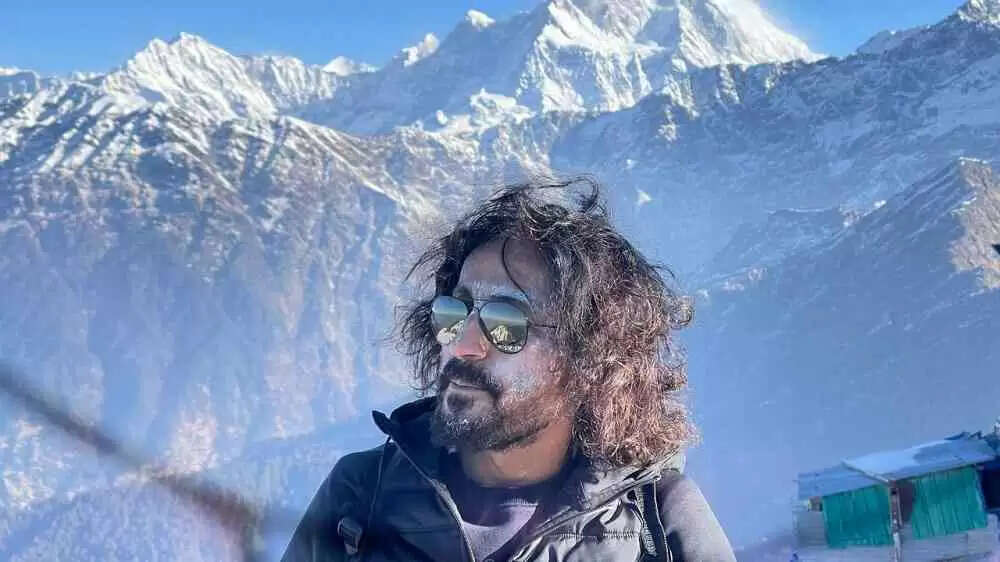
In 2022, Kapri met Padam Singh at a family gathering, where the former Army havildar enthusiastically offered to act. After a successful audition, Kapri shared the footage with industry professionals who were impressed by Singh's performance.
However, Kapri still needed an actress for Tulsi. He returned to Kumaon's villages and discovered Heera Devi, who confidently declared, 'Haa, main hoon na heroine' (Yes, I can be your heroine) when approached about the role.
Kapri appreciated her confidence and, after a successful audition, they had found their Tulsi. He instructed both Padam Singh and Heera Devi, who had no prior acting experience, to portray dramatized versions of their lives. The film reflects their deep connection to their environment and the mountains, mirroring the actors' own experiences.
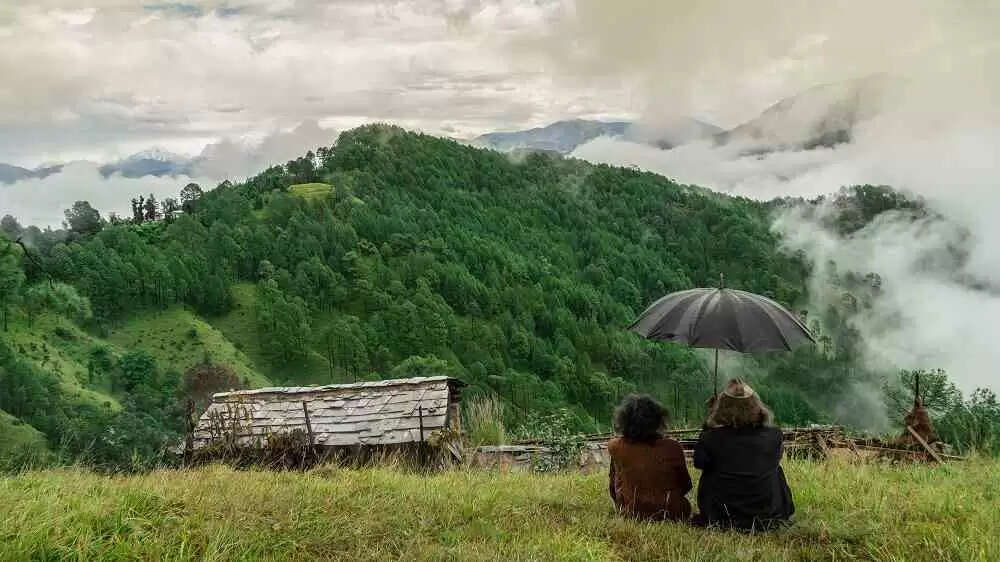
Filming presented numerous challenges, particularly in guiding untrained actors to portray a married couple. Heera Devi, a widow, initially hesitated to play another man's wife, but with encouragement from her son, she continued.
Logistically, the shoot was demanding, taking place entirely in Kapri's village. Cinematographer Manas Bhattacharyya captured the region's stunning landscapes and daunting terrain. The crew opted to stay in the village rather than a distant hotel, fostering a sense of community as they lived together. They even constructed toilets for the crew, which were later donated to the village.
Migration is a recurring theme in Pyre, as secondary characters prepare to leave the village for work. However, Kapri clarifies that the film is not merely a commentary on the lack of job opportunities in Uttarakhand's hilly areas.
He aimed to create a heartfelt love story rather than a didactic film, drawing inspiration from literary works like those of Franz Kafka and Gabriel Garcia Marquez. The focus remains on the couple's complex relationship, filled with love, conflict, and humor.
The film's emotional depth resonated with German editor Patricia Rommel, who worked on Pyre, as well as with Gulzar, who generously contributed lyrics for a song, and Canadian composer Mychael Danna, who was moved by the film's narrative and agreed to create the score.

Pyre has garnered audience choice awards at the Tallinn Black Nights Film Festival in Estonia and the Asian Summer Film Festival in Spain. Kapri plans to showcase the film at additional international festivals, including the London Indian Film Festival and the Indian Film Festival Melbourne, before pursuing distribution in India.
Despite the challenges of producing an independent film with non-professional actors, Kapri is pleased with the positive reception of his self-financed project.
Padam Singh and Heera Devi attended the screenings in Tallinn, marking their first time on a plane and traveling abroad. While their characters in Pyre are unable to leave their village, the actors portraying them have ventured far beyond.