
Exploring Jaipur's Vibrant Festivals: A Year-Round Celebration of Culture and Tradition
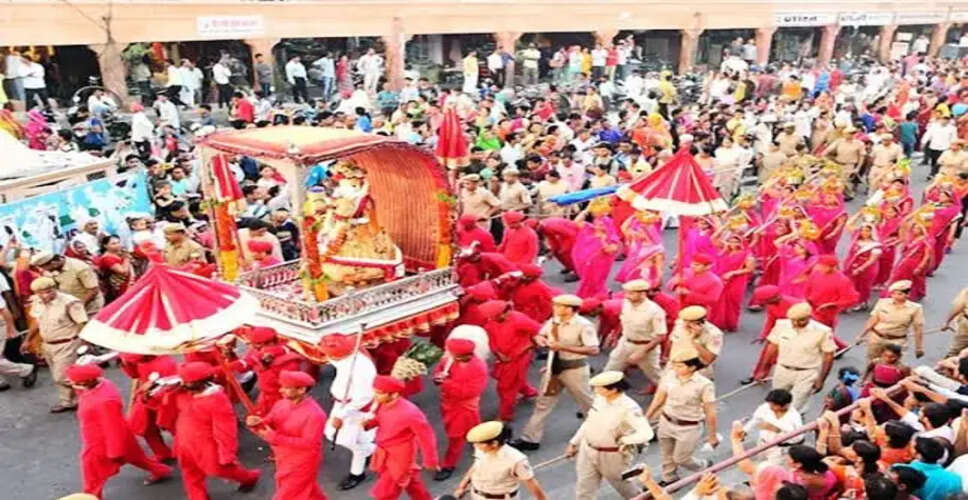

A Year of Festivals in Jaipur
From the royal procession of Gangaur to the joyous celebrations of Teej, and the devotion of Janmashtami to the brilliance of Diwali, Jaipur offers a unique festival every month, each tied to its rich traditions and vibrant local life.
Jaipur is not just known for its pink buildings, grand palaces, and well-planned streets; its essence lies in the local culture, religious beliefs, and festive spirit. Throughout the year, the city is alive with various festivals, fairs, and auspicious events that infuse new energy into the community. Seasons may change, but the celebratory spirit of the Pink City remains ever vibrant.
In Indian culture, festivals serve as a bridge between religious faith and social gatherings, showcasing folk art, cuisine, and family traditions. In Jaipur, these celebrations take on a distinctive form, blending classical beliefs with local customs and folklore. Due to its proximity to Braj, the influence of Vaishnav traditions and devotion to Lord Krishna is particularly prominent. Let’s embark on a journey through the festive landscape of Jaipur from Chaitra to Phalgun.
Chaitra: The Royal Procession of Gangaur and the Joy of Ram Navami
The month of Chaitra marks the auspicious beginning of the New Year, Navratri, and Gangaur festivities in Jaipur. Gangaur is a highly cherished local festival among women, where unmarried girls pray for suitable husbands and married women seek eternal marital bliss by worshipping Goddess Gauri. This tradition spans sixteen days, filled with henna, colorful attire, bangles, folk songs, and the sweetness of ghevar, making the celebration truly special. The royal procession of Gangaur showcases a magnificent blend of royal attire, traditional costumes, and folk instruments, promoting Jaipur's identity to the world. Additionally, during Ram Navami, temples celebrate the birth of Lord Rama with grand processions and numerous devotees participating in religious events.
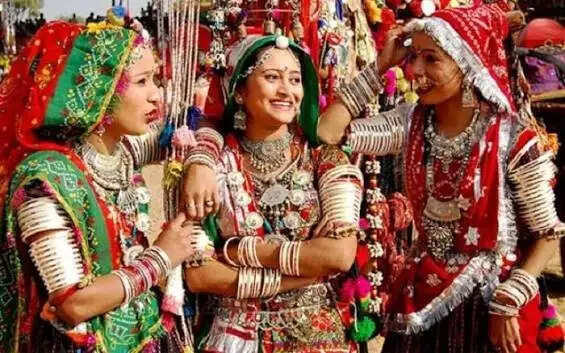
Vaishakh-Jyeshtha: The Faith of Badarinath and Ganga Dussehra
On Akshaya Tritiya in Vaishakh, a special fair is held at Badarinath's Dungri, located on the Amer road. Devotees arrive in traditional attire to seek blessings from the deity. This tradition exemplifies collective faith, coinciding with the opening of the doors of the Badri Nath shrine in the Himalayas.
During Jyeshtha, Ganga Dussehra is celebrated with special prayers at various Ganga temples, including the Ganga-Gopal temple. This tradition, deeply rooted in the reverence of Maharaja Sawai Madhosingh II towards Ganga and Gopalji, reflects the profound faith of the people in the desert state of Rajasthan.
Ashadha: The Chariot Festival and Scientific Beliefs
On the second day of Ashadha, the chariot festival of Lord Jagannath takes place. This day is marked by religious events and the royal tradition of land plowing. Historically, Maharajas would symbolically plow the land with golden and silver plows, marking the auspicious beginning of agricultural activities. The traditions of the processions of Shri Sitaramji and Shri Jagdishji continue to make this day special. Guru Purnima at Jantar Mantar showcases the scientific heritage of Jaipur, where astrologers study the direction and speed of the wind, predicting rainfall, beautifully merging astronomy with traditional knowledge.
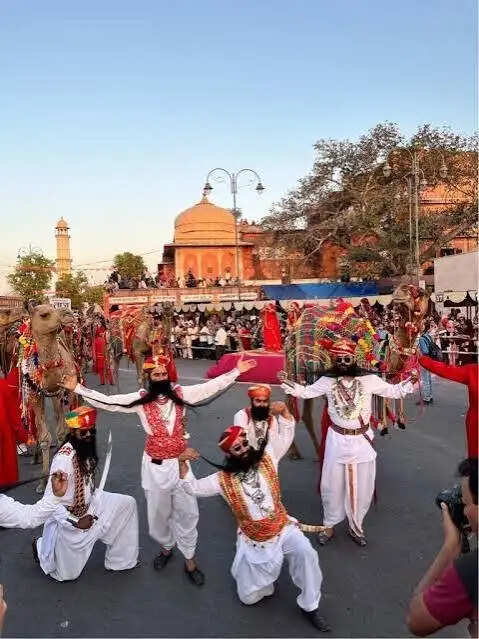
Shravan: The Teej Procession and Joyful Gatherings
As Shravan arrives, the atmosphere in Jaipur transforms into a festive one, filled with clouds, drizzles, and greenery. Hariyali Teej is a festival celebrating women's fortune and marital happiness. The absence of lehariya, mehndi, bangles, ghevar, and swings would render this celebration incomplete. The Teej procession in Jaipur is world-renowned, starting from Janani Dyoḍhi with traditional attire, passing through Tripolia Bazaar, Chhoti Chaupar, and Badi Chaupar, finally reaching Tal Katora. Elephants, horses, camels, and decorated chariots add grandeur to the event, attracting both local and international tourists. Another highlight of Shravan is the communal gatherings where families and friends come together at scenic spots, enjoying dal-baati-churma, music, and laughter, showcasing Jaipur's vibrant social culture.
Bhadrapada: Janmashtami, Radhashtami, and Ganesh Chaturthi
In Bhadrapada, Jaipur's Vaishnav traditions shine brightly. Major temples, including Shri Radhagovind Devji Temple, are adorned for Janmashtami with special decorations, flower canopies, abhisheks, bhajans, and midnight aartis. Thousands of devotees witness the birth celebration of Lord Krishna. Radhashtami features special adornments and rituals for Radha Rani. Meanwhile, Ganesh Chaturthi is traditionally referred to as 'Chatra Chauth' in Jaipur, although the old customs of throwing stones and offering fruits have nearly faded away.
Ashwin: Sanjhi Art, Amer's Chhath Fair, and Dussehra
The month of Ashwin is a blend of folk art and worship of power. During Pitru Paksha, young girls create Sanjhi art on walls using cow dung, colors, and natural materials. During Sharadiya Navratri, the Shila Devi Temple in Amer sees a surge of devotees. The famous Chhath fair in Amer, celebrated on Shashthi, is known for women's gatherings, folk songs, and collective joy. Vijayadashami features grand events like Ramlila and the effigy burning of Ravana, which have been significant in Jaipur since 1949, initiated by Seth Sohanmal Golcha and later continued by Harichandra Golcha. The municipal council constructed a stage for Ramlila in 1961, drawing millions to witness the grand performances and the burning of Ravana's effigy.
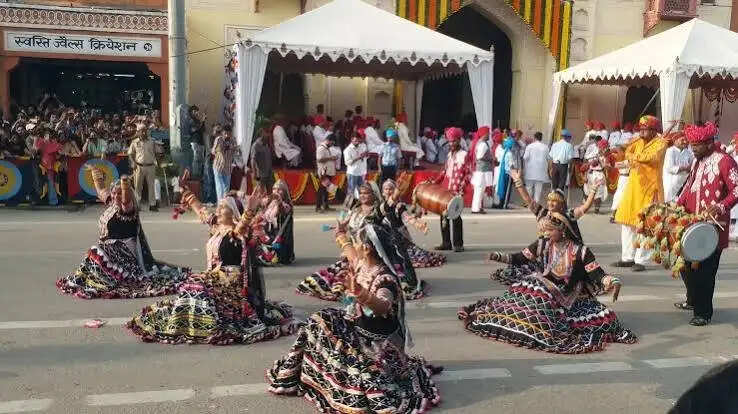
Kartik: The Glow of Diwali and Annakut
In Kartik, festivals like Karva Chauth, Diwali, Govardhan Puja, and Bhai Dooj bring family and religious joy. The Krishna Leela tradition at Bhakt Dinanathji Temple in Chandpole Bazaar is particularly captivating throughout the month. During Diwali, Jaipur's markets, historical buildings, and homes illuminate with diyas. After worshipping Lakshmi and Ganesh, temples display 56 offerings during Govardhan Puja. Historically, the royal family's procession has been a unique tradition during the festival of lights.
Agahan-Paush: A Sky Adorned with Kites on Makar Sankranti
Makar Sankranti is one of the most beloved festival traditions in Jaipur. In the days leading up to the festival, shops selling kites and strings fill the markets. On Sankranti, families and friends gather on rooftops from early morning. The air fills with shouts of 'Wo Katta', 'Wo Maara', and 'Lapet', as colorful kites fill the sky. Sesame laddoos, feeni, and traditional dishes enhance the festive flavor.
Magh: Bhanu Saptami and Sun Worship
On the Shukla Saptami of Magh, the Bhanu Saptami fair is linked to sun worship and royal traditions in Jaipur. The Kachwaha dynasty has historically regarded itself as descendants of the sun. This occasion features a chariot procession of Surya Dev and special prayers. Unique colored glass bottles, which do not spill when turned upside down, are also a hallmark of this fair, showcasing Jaipur's traditional glass craftsmanship.
Phalgun: The Joy of Holi and the Lakhi Mela of Sheetla Mata
In Phalgun, the colors of Holi fill the city with joy. The tradition of playing Holi with flowers and colored powders in temples is known as 'Rachna'. The Holi celebration at Shri Radhagovind Devji Temple is particularly captivating. The festival is made memorable with colors, folk songs, and traditional dishes. Following Holi, the tradition of Bhai Dooj is also observed. Among the Phalgun festivities, the Lakhi Mela of Sheetla Mata in Chaksu holds special significance. On Sheetla Ashtami, devotees visit the goddess and partake in cold food prepared a day in advance. This tradition, known as 'Akhthe Ka Din', reflects the religious faith and culinary heritage of Jaipur.
The Cultural Heartbeat of Jaipur Through Festivals
From the Gangaur of Chaitra to the Holi of Phalgun, Jaipur's year is woven into a continuous tapestry of festivals. Whether it’s a royal procession, a folk fair, devotional music in temples, or a sky filled with kites, these celebrations are unique. Jaipur has given a distinct identity to festivals celebrated across the country by intertwining them with its royal heritage, local traditions, and folk culture. While some traditions have weakened and some events have evolved, the festive spirit of Jaipur remains an integral part of its cultural identity. To truly understand this city, one must appreciate not only its palaces and monuments but also its festivals, as the essence of the Pink City pulses through the songs of Gangaur, the Teej procession, the cheers of Janmashtami, the lights of Diwali, and the kites of Sankranti.
This is the festive spirit of Jaipur, where celebrations abound throughout the year, and each festival adds a new hue to its rich heritage.
Cultural Reflections
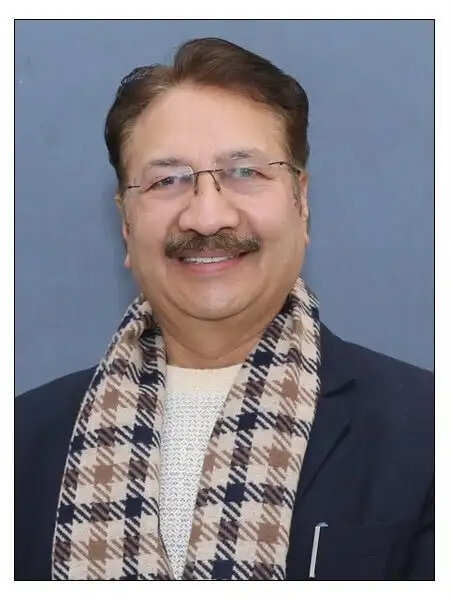
Dr. Gordhan Lal Sharma
A National Award-winning author, sociologist, and senior officer of the Rajasthan Administrative Service