
Exploring Empathy in War: A Review of Sriram Raghavan's Ikkis
A Unique Perspective on War and Forgiveness
In Sriram Raghavan's film Ikkis, a father confronts the soldier who killed his son during the 1971 India-Pakistan War. Instead of seeking vengeance, he chooses to forgive the remorseful Pakistani soldier and advocates for a future devoid of conflict and sorrow.
The notion of empathizing with Pakistan is contentious in today's political landscape, making this anti-war film a rarity. Released on January 1, Ikkis arrived shortly after Aditya Dhar's Dhurandhar, a film rife with anti-Pakistan sentiments.
Critics have accused Ikkis of being lenient towards Pakistan, suggesting it promotes values of peace that clash with the current government's aggressive stance.
A disclaimer at the film's conclusion, which circulated widely online, intensified the debate. It states that the character of Nisar, portrayed by Jaideep Ahlawat, is an exception, emphasizing Pakistan's unreliability and its history of violence against Indian citizens.
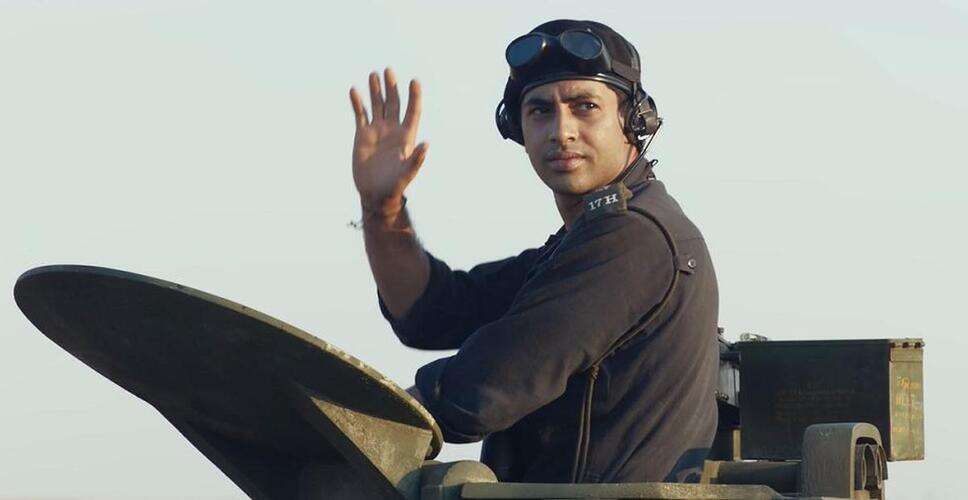
The film, produced by Maddock Films, is inspired by the true story of Arun Khetarpal, a tank commander who lost his life in the war at the age of 21. He was posthumously awarded the Param Vir Chakra for his bravery. Agastya Nanda plays Khetarpal, while Dharmendra appears as his father, Madan Khetarpal, in what is his final film role.
Ikkis marks a departure for Raghavan, known for his acclaimed crime dramas like Ek Hasina Thi and Andhadhun. He was drawn to Khetarpal's story not only for its heroism but also for the poignant journey of his father, who visited Pakistan three decades later.
While Raghavan refrained from commenting on the disclaimer, he discussed the film's controversies and his vision.
Initial Inspiration and Story Development
Raghavan discovered the story while at his producer Dinesh Vijan's office, where Binny Padda was narrating it. He was captivated by the transformation of a boy into a man and the subsequent events that unfolded 30 years later, during a period of diplomatic engagement between India and Pakistan.
The narrative's beauty lies in the relationship between Khetarpal's father and the man who took his son's life, highlighting themes of guilt and reconciliation. Raghavan believed this deeply human story deserved to be told.
The film intertwines two timelines: the war in 1971 and the father's journey in 2001, reflecting the evolving relationship between the two nations.
Research and Authenticity
Raghavan and his co-writers, Pooja Ladha Surti and Arijit Biswas, conducted extensive research, including interviews with Arun's family and military personnel. They sought to capture the essence of the Army's ethos and the camaraderie among soldiers.
The film received clearance from the Army's Additional Directorate General of Public Information, ensuring its authenticity.
They visited Lawrence School, where Arun studied, and met with officers who served alongside him, piecing together his story like a jigsaw puzzle.
Some anecdotes, such as Arun's childhood kindness, were left out due to time constraints, but they contributed to a fuller understanding of his character.
Influences and Themes
Raghavan drew inspiration from various war films, including Saving Private Ryan and Russian classics like Ballad of a Soldier. He aimed to evoke a sense of humanity amidst the violence of war.
The film's climax is designed to resonate emotionally, reminiscent of iconic moments in cinema.
Controversy and Audience Reception
Raghavan acknowledged the potential for controversy but emphasized that the story's honesty guided their approach. The film's dual narratives reflect the complexities of war and human relationships.
The initial screening for Army personnel received a positive response, with many expressing that it captured the essence of soldiering.
Addressing Criticism
Surprised by the backlash, Raghavan noted that some critiques stemmed from misunderstandings of the film's content. He aimed to evoke empathy and reflection rather than political statements.
The film's exploration of loss and reconciliation is central to its narrative, inviting viewers to ponder the broader implications of war.
Conclusion
Raghavan did not set out to create a political statement but rather a war drama that reflects on heroism and its aftermath. Trusting the audience's ability to engage with the story, he remains committed to portraying the truth of Khetarpal's legacy.