
Exploring Crocodile Farming in Thailand: A Unique Industry

Crocodile Farming: An Overview
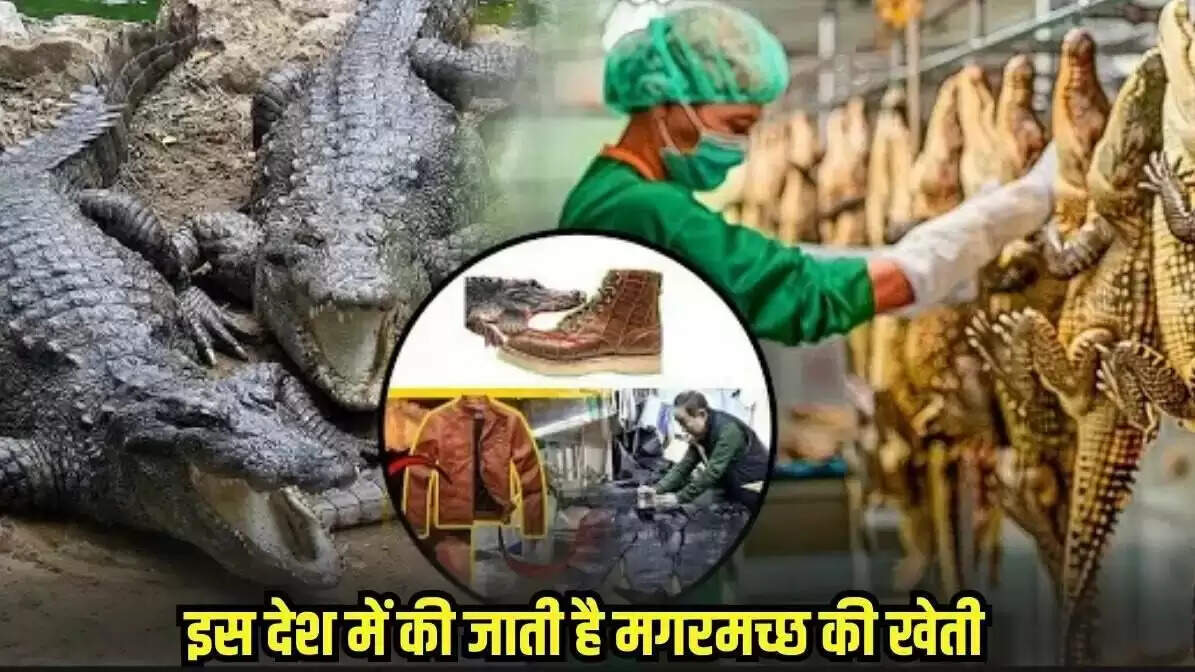
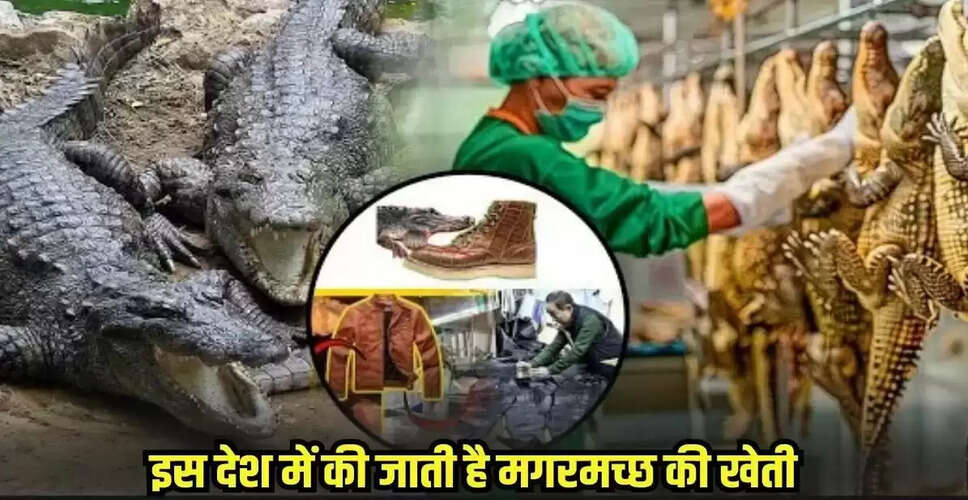
Thailand, a neighboring country of India, is renowned for its beautiful landscapes and is a popular tourist destination. While in India, livestock such as cows and buffaloes are commonly raised for milk production, Thailand has taken a different route by engaging in crocodile farming. This might sound surprising, but it is indeed true.
The locals in Thailand earn a substantial income by selling crocodile skin, blood, and meat. The crocodile farming industry has significantly bolstered the country's economy, with many individuals involved in raising these reptiles for profit.
Crocodile farming is not a new practice in Thailand; it has been a tradition for several generations. The cultivation and management of crocodiles have proven to be highly profitable, attracting both local farmers and large-scale traders who are reaping the benefits.
There is a high demand for crocodile skin in Thailand, which is used to manufacture belts and various other luxury items that fetch high prices in both domestic and international markets. Additionally, crocodile meat is widely consumed, with tourists also showing a preference for it. The meat and blood of crocodiles are sold at good prices, which has encouraged even small-scale farmers to participate in this lucrative business.
The Thai government has legalized crocodile farming under regulated guidelines. A licensing system is in place, ensuring that farm operators adhere to health and care protocols. Trained staff are responsible for feeding, cleaning, and providing medical care to the crocodiles.