Exploring Andrei Tarkovsky's Poetic Vision in Ivan's Childhood

A Dreamlike Journey Begins
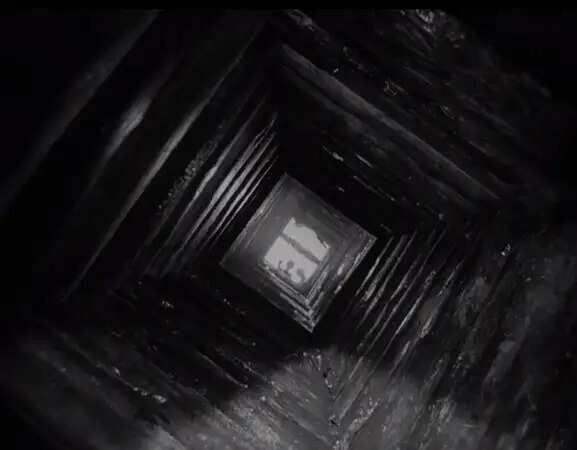
Andrei Tarkovsky's first film opens with a sequence that blurs the lines between dreams and nightmares. The story follows twelve-year-old Ivan (Nikolai Burlyayev), who finds himself soaring above the treetops, surrounded by nature and his mother. However, he soon awakens in a cold, dark room, starkly contrasting his previous vision. Ivan's family has perished, yet he remains disturbingly alive.
As a young victim of World War II, Ivan has taken on a role assisting Russian soldiers by conducting reconnaissance against the Germans. Despite a soldier's attempts to enroll him in a military school, Ivan is consumed by a desire for immediate vengeance against the enemy, referred to derogatorily as 'Fritzes.'
Ivan’s Childhood, adapted from Vladimir Bogomolov’s novella Ivan, follows earlier Russian films that explored the emotional scars of WWII, such as Ballad of a Soldier (1959). This film marks the beginning of Tarkovsky's signature style, characterized by poetic humanism and mysticism, which would later flourish in works like Solaris, Stalker, and Mirror.
Tarkovsky's narrative is rich with surreal and dreamlike imagery. He masterfully intertwines prose and poetry, depicting life in military barracks and trenches alongside the stylized dream sequences that reflect Ivan's psyche. Even a love triangle involving soldiers and a nurse unfolds in a serene forest, transforming the mundane into something profound.
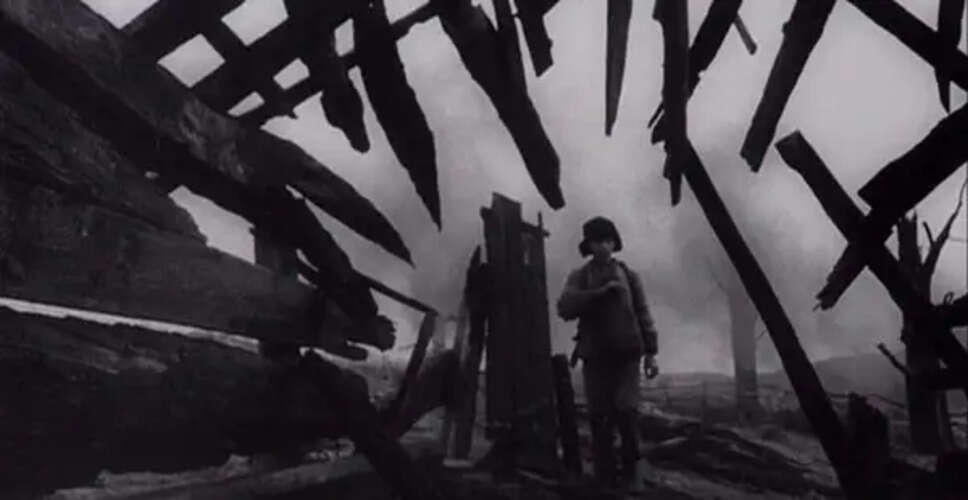
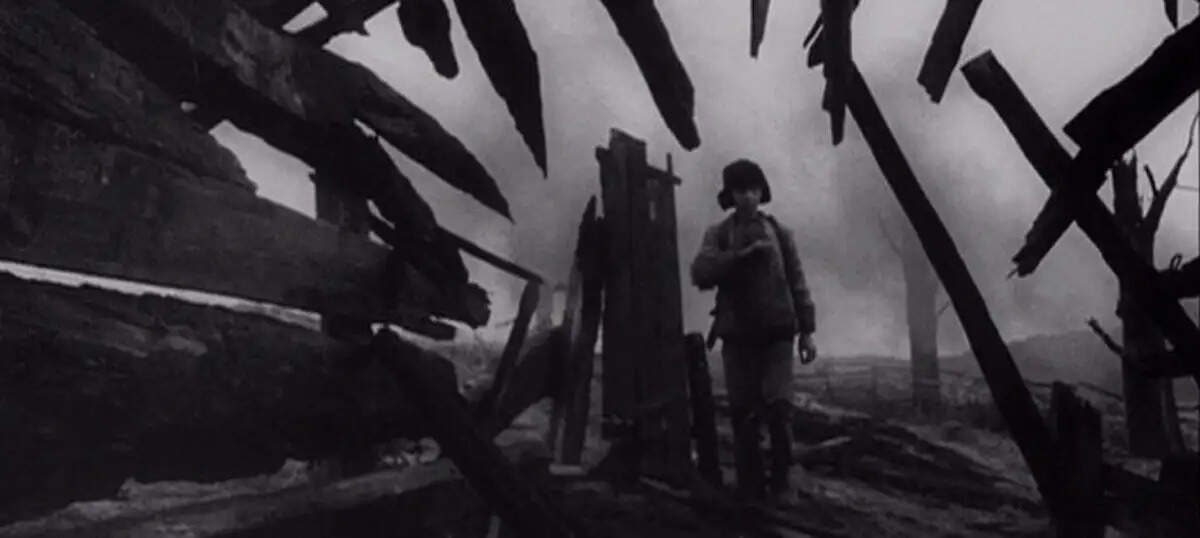
During his wanderings through the ruins of his home, Ivan encounters an elderly man who ominously states, 'No stove or chimney will ever burn down.' This moment encapsulates Ivan's inability to escape the haunting memories of his past, and Tarkovsky's direction ensures that viewers grasp the true horrors of war.
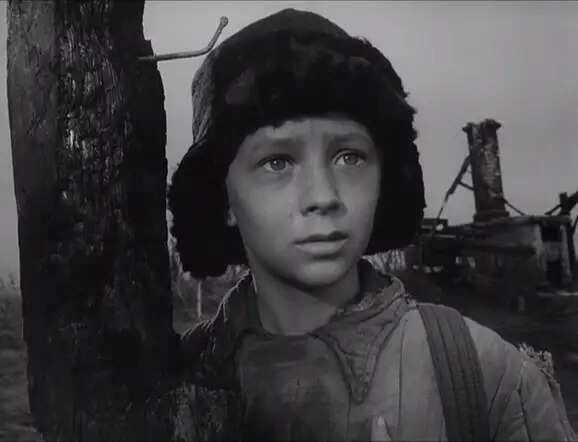
Nikolai Burlyayev delivers a powerful performance that embodies the confusion and tragedy of a child caught in the chaos of WWII. While the Germans are depicted as the antagonists, Tarkovsky's critique extends to any regime that sacrifices its people to the ravages of war.
In the aftermath of the conflict, Russian soldiers stumble through a German house filled with the remnants of horror, where prisoners and partisans hang lifeless. This stark scene serves as a painful reminder of their failure to protect Ivan, who was forced to mature far too quickly.
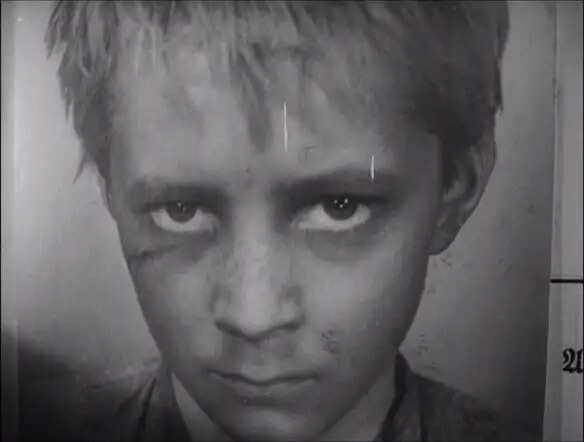
The state-owned Mosfilm studio, which produced Ivan’s Childhood, was initially perplexed by Tarkovsky's artistic choices. In his essay collection Sculpting in Time, Tarkovsky reflects on how this debut film laid the groundwork for his unique directorial vision, characterized by dreams, fragmented imagery, and a departure from conventional storytelling.
He writes, 'Isolated impressions of the day have set off impulses within us, evoked associations; objects and circumstances have stayed in our memory, but with no sharply defined contours, incomplete, apparently fortuitous. Can these impressions of life be conveyed through film? They undoubtedly can; indeed, it is the especial virtue of cinema, as the most realistic of the arts, to be the means of such communication.'