
Expect Stunning Northern Lights This Weekend: Geomagnetic Storm Alert
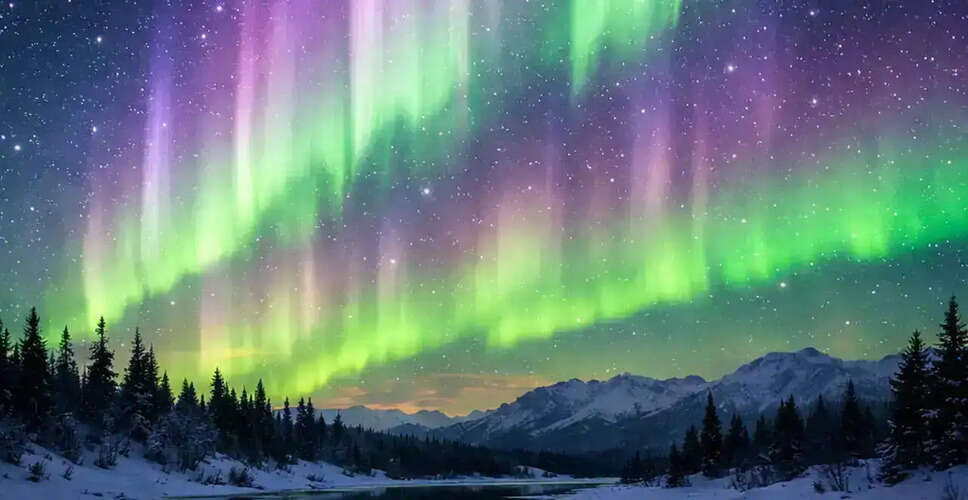

Prepare for a Spectacular Aurora Display
If the skies are clear tonight, consider stepping outside to gaze northward. A significant geomagnetic storm is anticipated to occur on June 4 and extend into June 5, offering a genuine opportunity to witness the northern lights across various regions in the United States, as reported by a source citing NOAA's Space Weather Prediction Center. This phenomenon is fueled by several coronal mass ejections (CMEs) racing towards Earth. CMEs are substantial releases of solar material and magnetic energy that occur after solar flares. When these bursts collide with Earth's magnetic field, they create geomagnetic disturbances that can lead to auroras, sometimes extending beyond their typical polar limits. NOAA predicts that geomagnetic conditions will reach G3 levels, indicating a strong storm, from mid to late June 4 and continuing into June 5.
Optimal Viewing Times
The best time to observe aurora activity will be from Thursday night into the early hours of Friday. Activity is expected to intensify throughout the afternoon and evening, with G2 to G3 storm levels likely before transitioning into Friday. It's important to note that the northern lights can be unpredictable, and the most intense activity may occur before complete darkness falls in certain areas. After midnight, a waning gibbous moon will rise, illuminating the sky and potentially obscuring fainter auroras, making earlier in the night a more favorable time for viewing.
Visibility Locations
Canada and the northern regions of the US are expected to have the highest chances of visibility. If conditions escalate to G4 levels, the auroras could be seen even further south, especially from locations with minimal light pollution and a clear view of the northern horizon. States with the best prospects include Washington, Idaho, Montana, Wyoming, North Dakota, South Dakota, Minnesota, Wisconsin, Michigan, New York, and Maine. Depending on the storm's progression, auroras may also be visible in Oregon, Nebraska, Iowa, Illinois, Indiana, Ohio, Pennsylvania, Massachusetts, Connecticut, Rhode Island, Vermont, and New Hampshire.
Tips for Optimal Viewing
To enhance your chances of witnessing this celestial event, move away from urban light pollution as much as possible. Darker skies will provide the best opportunity to see even the faintest displays. Seek out a location with a broad, unobstructed view of the northern horizon and allow your eyes a few moments to adjust before scanning the sky.