
Exam Security: A Comparative Analysis of NEET and China's Gaokao

NEET: A Gateway for Aspiring Doctors
Every year, millions of students across India aspire to become doctors by participating in the National Eligibility cum Entrance Test (NEET). This examination is recognized as one of the largest and most challenging entrance tests in the country. However, NEET has faced numerous controversies in recent years, including allegations of paper leaks, disorganization at exam centers, and questions surrounding the results process.
Participation Statistics
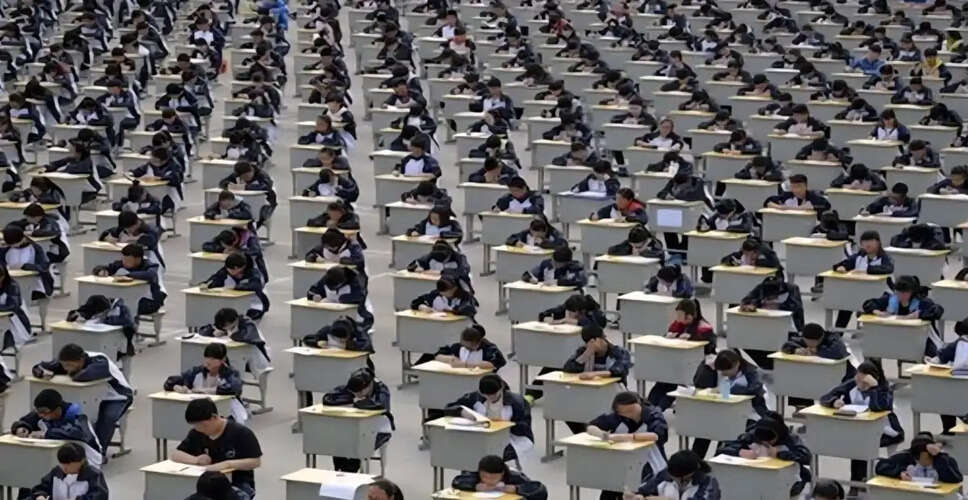
According to available data, approximately 2 to 2.5 million students take the NEET exam annually. This test serves as the primary means for admission into medical and dental colleges in India. In contrast, China's national entrance examination, known as Gaokao, sees around 13 million students participating each year, with significantly fewer reports of paper leaks or major discrepancies.
Understanding Gaokao
Gaokao is China's national university entrance examination, which serves as the basis for admission into nearly all major undergraduate programs. The scores obtained by students determine which universities and courses they can pursue. This is why Gaokao is regarded as a critical and life-altering examination in China.
Differences in Examination Systems
While NEET is exclusively conducted for medical and dental admissions, Gaokao is considered the main entry point for the entire higher education system in China. Despite this, the examination system in China is perceived to be more secure.
Security Measures in Gaokao
Experts suggest that the security protocols for Gaokao are stringent and technology-driven. Measures such as AI-based surveillance, biometric identification, electronic signal jammers, drone monitoring, and strict security for question papers are implemented at exam centers. In many regions, traffic and public movement are even regulated during the examination period.
Cultural Significance of Gaokao
In China, Gaokao is not just seen as an exam but as a significant opportunity tied to the future of families. Consequently, the administration prioritizes it highly, making special arrangements to minimize noise and ensure a peaceful examination environment in various cities during the exam days.
Concerns Surrounding NEET
The ongoing questions regarding NEET have intensified discussions about the transparency and security of the examination system in India. Education experts believe that implementing technology-based monitoring, a digital examination system, and stricter administrative controls could enhance the security of examinations in India.