
Evolving US-Iran Relations: A Shift Towards Diplomacy

A New Diplomatic Approach
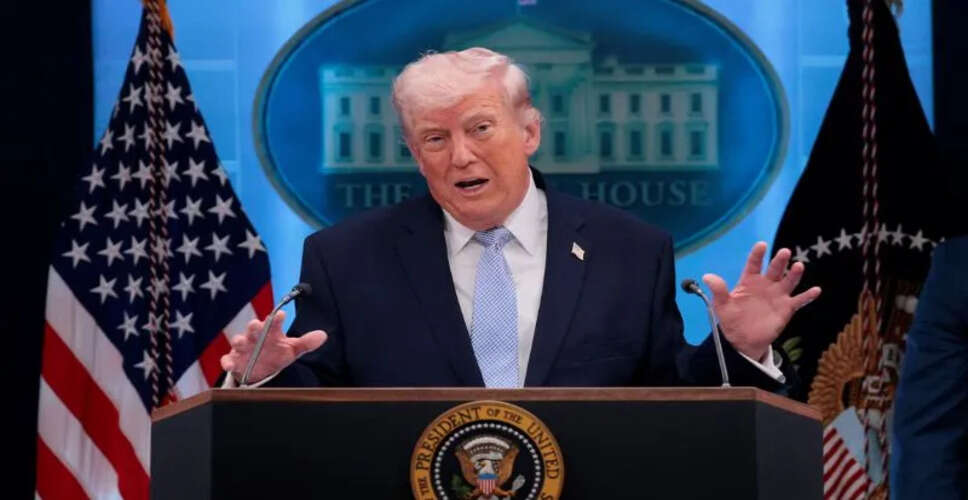
Amidst the complex geopolitical landscape of the Middle East, there appears to be an unexpected thaw in the relations between the United States and Iran. After enduring prolonged tensions, economic sanctions, and fears of military confrontations, a new diplomatic direction is emerging. Recent comments from former President Donald Trump have highlighted this shift, suggesting that the US may be inclined to 'work together' with Iran.
Significant Implications for International Politics
Trump's remarks are being interpreted as a crucial signal in international politics. He clarified that the US is not currently considering imposing new tariffs on Iran or adopting a stringent stance regarding its uranium stockpiles. Instead, the focus seems to be on reducing tensions through cooperation and dialogue. This statement comes at a time when a ceasefire has recently been established between the two nations, alleviating immediate regional tensions.
Strategic Reasons Behind the Shift
Experts suggest that this 'soft signal' is more than just a statement; it may be driven by various strategic factors. On one hand, the US is attempting to balance its diplomatic image globally, while on the other, maintaining stability in the Middle East is becoming increasingly important. Improving relations with Iran could not only mitigate regional conflicts but also positively impact energy supplies and global markets.
Opportunities for Iran
For Iran, this situation presents a potential opportunity. The long-standing economic sanctions have severely impacted its economy. If the US moves towards easing or gradually lifting these sanctions, it could provide significant relief for Iran, reopening avenues for international trade, oil exports, and foreign investment.
Cautious Optimism Amidst Distrust
However, there is a sense of caution regarding these developments. Many analysts point out that a deep-seated distrust exists between the US and Iran, which will not be easily bridged. Issues such as the nuclear program, regional influence, and security concerns remain major points of contention between the two countries. Therefore, expecting a lasting solution based solely on statements may be premature.
Global Attention on the Situation
Additionally, the international community is closely monitoring this situation. Global players, including European nations, Russia, and China, are observing developments as they could significantly affect the global balance of power. Should genuine improvements occur in US-Iran relations, it could influence not only the Middle East but also global politics.
The Path Ahead
Currently, it is evident that there are signs of moving from confrontation to cooperation, but the journey ahead is likely to be long and complex. It will be crucial to observe in the coming days whether this soft signal translates into concrete diplomatic actions or remains merely a temporary strategic statement.