
Evacuations in West Bengal Due to Glacial Lake Outburst Flood from Bhutan

Emergency Evacuations in Alipurduar District
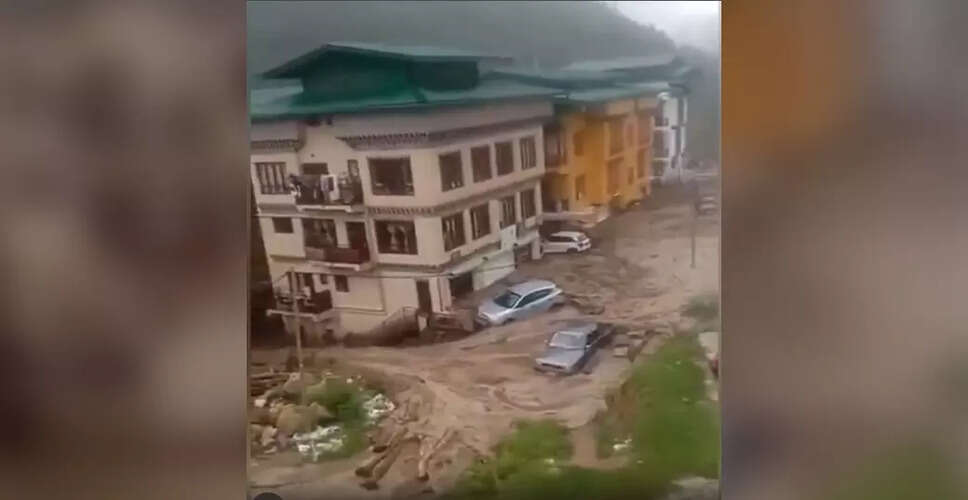
An image of the floodwaters caused by the glacial lake outburst in Bhutan
Kolkata, October 30: Approximately 12,000 residents from at-risk areas along the Sankosh River in Alipurduar district, West Bengal, were relocated to safer zones on Friday. This action was prompted by a surge in the river's water levels due to a glacial lake outburst flood (GLOF) originating from Bhutan, as reported by a senior official.
The evacuation followed the bursting of a glacial lake in Bhutan's Gasa region on Thursday evening, which unleashed a significant volume of water, mud, rocks, and debris into the river systems downstream.
About 7.4 million cubic meters of water flowed out from the breached Shintaphu Lake into the Mo River, causing the Sankosh River's water level to rise, which runs along the border between West Bengal and Assam.
This incident prompted flood alerts in various regions of North Bengal and Assam, with authorities actively monitoring the water levels of rivers that flow from Bhutan.
“We have relocated 12,000 individuals to safe shelters as a precaution. Currently, the situation is under control,” the official stated.
Since Friday morning, the Sankosh River's water level has increased by nearly two feet, according to the official.
Personnel from the National Disaster Response Force (NDRF) have been dispatched to the affected regions, while teams from the State Disaster Response Force (SDRF), Civil Defence, and local administration are being mobilized to enhance emergency response efforts.
“We are vigilantly monitoring the water levels and flow of the Sankosh River, while also maintaining communication with officials in Bhutan to stay updated on the situation,” the official added.
As of now, no significant damage or casualties have been reported from the Kumargram area of Alipurduar district, which is situated along the Sankosh River.
In contrast, Sikkim, which experienced severe devastation and loss of life due to a glacial lake outburst flood in October 2023, has remained unaffected by this recent event.
Authorities are continuing to keep a close watch on the situation, implementing precautionary measures to safeguard residents in vulnerable downstream areas.