
Europe's Economic Recovery Faces Setbacks Amid Rising Energy Prices
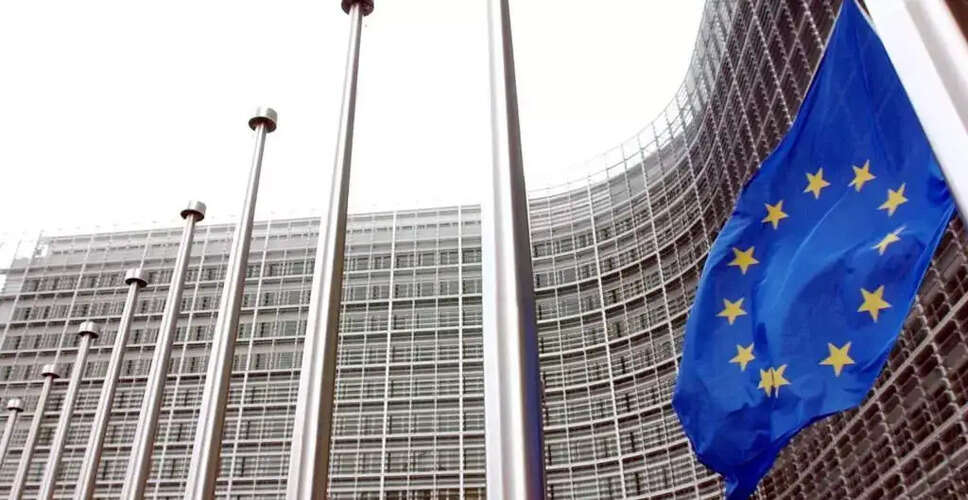

Economic Growth Stalls in Europe
The anticipated economic rebound in Europe has hit a snag in early 2026, primarily due to escalating energy costs linked to the ongoing conflict in the Middle East, which has reignited inflation worries. Recent statistics revealed that the eurozone's economy expanded at a modest annualized rate of only 0.6% in the first quarter, reflecting a mere 0.1% increase from the previous quarter. Additionally, inflation surged unexpectedly, reaching 3% year-over-year in April.
This combination of sluggish growth and rising prices, often referred to as stagflation, presents a challenging scenario for European central banks. On Thursday, both the European Central Bank (ECB) and the Bank of England (BOE) opted to maintain current interest rates, aligning with the cautious stance of the U.S. Federal Reserve. However, officials indicated readiness to increase rates in the upcoming months if inflation driven by energy costs continues to escalate. The ECB noted, “The longer the conflict persists and energy prices remain elevated, the more pronounced the impact on overall inflation and the economy is likely to be.”
Impact of Energy Prices
Prior to the onset of the war in late February, Europe’s economy seemed set for a slight recovery. Inflation had receded towards the ECB’s target of 2%, consumer spending was stable, and increased defense and infrastructure spending in Germany was anticipated to provide a boost. However, the conflict, particularly the blockade of the Strait of Hormuz, has caused a spike in oil and natural gas prices, severely affecting Europe, which is heavily reliant on energy imports. In April, energy inflation in the eurozone surged by approximately 11%.
Rising fuel prices are pressuring businesses and causing consumers to hesitate in their spending. Germany, as Europe’s largest economy and a key manufacturing hub, is expected to feel significant impacts in the coming months. France reported no growth in the first quarter, while Ireland experienced a contraction. ECB President Christine Lagarde cautioned that the current growth forecast of 0.9% for the year might be overly optimistic. In a pessimistic scenario where energy disruptions persist throughout the year, growth could decelerate to just 0.4%.
Central Banks on Alert for Rate Increases
Both the ECB and the BOE have indicated they are closely monitoring potential “second-round effects,” particularly whether rising energy prices will trigger broader price hikes and increased wage demands. The BOE acknowledged the “risk of significant second-round effects in pricing and wage-setting,” while the ECB plans to keep a close watch on forthcoming wage negotiations. Market analysts are now anticipating two to three interest rate hikes from both central banks before the year concludes. Economists assert that Europe is not experiencing the same level of crisis as in 2022 following Russia’s invasion of Ukraine, which saw even sharper spikes in energy prices. Nevertheless, the current situation remains critical, as the European economy was already on shaky ground before this latest shock. As the conflict in the Middle East continues into its third month without a clear resolution, Europe is once again faced with the difficult balance between slowing growth and rising inflation.