
EU Leaders Convene to Discuss Major Financial Aid for Ukraine Amid Ongoing Conflict
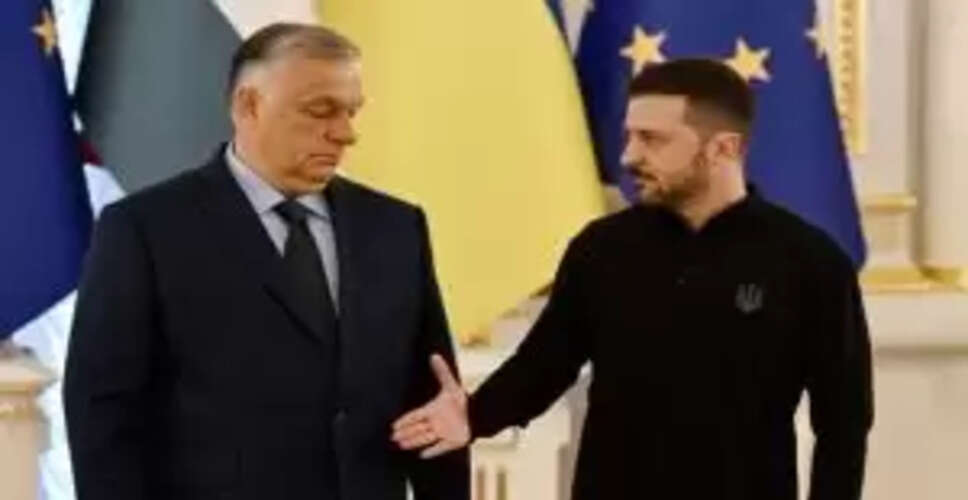
Summit Focused on Ukraine's Financial Needs
Brussels: On Thursday, leaders of the European Union are convening for a summit focused on finalizing a substantial loan intended to support Ukraine's military and financial requirements over the next two years.
In addition to the loan, discussions will encompass migration issues, the EU's enlargement strategy, trade relations, and economic matters. However, the primary focus remains on securing funding for the 137 billion euros (approximately USD 160 billion) that the International Monetary Fund estimates Ukraine needs due to the ongoing conflict.
European Commission President Ursula von der Leyen emphasized the urgency of the situation, stating, "It is our responsibility to determine how we will finance Ukraine's defense. The urgency is palpable, and we all recognize it."
Chairing the summit, European Council President Antonio Costa has committed to ensuring that negotiations continue until a consensus is reached, even if it takes several days.
Several leaders are advocating for the use of billions of euros in frozen Russian assets located in Europe to address Ukraine's economic and military challenges.
This unprecedented move carries significant risks, as the European Central Bank has cautioned that seizing foreign assets could erode confidence in the euro. Additionally, some member states are wary of potential retaliation from Russia.
Belgium, which holds a majority of the frozen assets at a financial clearing house, is the primary opponent of this initiative, fearing repercussions from Russia and preferring that the EU secure funding through international borrowing.
Recently, the Russian Central Bank initiated legal action against the Belgian clearing house Euroclear in a Moscow court, increasing pressure on Belgium and its European allies ahead of the summit.
Hungary and Slovakia have expressed opposition to von der Leyen's proposal for a "reparations loan," which would involve lending 90 billion euros (USD 105 billion) to Ukraine until Russia concludes its military actions and compensates for the damages incurred over nearly four years. Ukrainian President Volodymyr Zelenskyy estimates the total damages to exceed 600 billion euros (USD 700 billion).
The UK, Canada, and Norway are expected to contribute additional funds beyond the proposed 90 billion euros (USD 105 billion).
Countries like Bulgaria, Italy, and Malta remain unconvinced. In recent weeks, EU representatives have been working to clarify details and bridge gaps among the 27 member states. If a significant number of countries oppose the plan, it could face blockage, as there is currently no majority support for an alternative strategy of raising funds through international markets.