
Essential Tips for Choosing Quality Sweets This Diwali
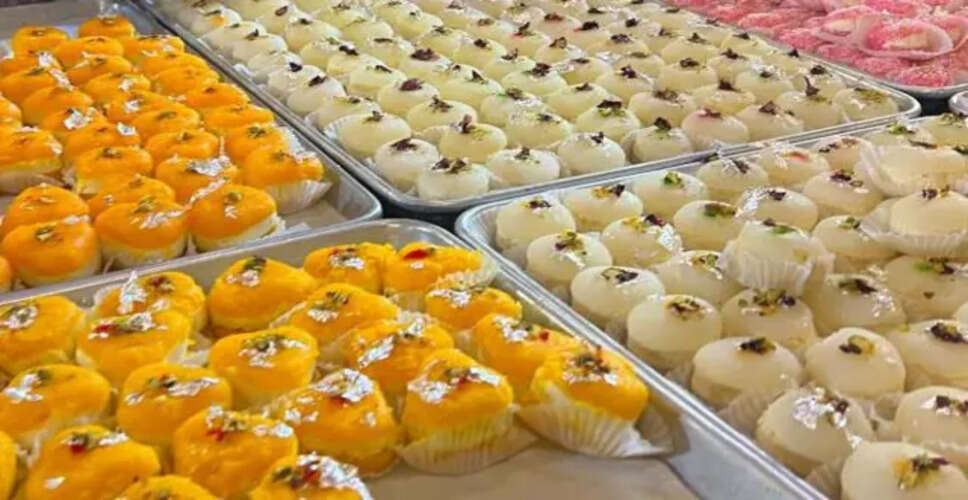

The Sweet Rush of Diwali
As Diwali approaches, the demand for sweets surges in local markets. Colorful treats such as laddus, barfis, kaju katlis, rasgullas, and gulab jamuns begin to fill the shelves. Families and friends purchase these delicacies, but this festive season also sees an increase in the risk of adulteration. In their quest for profit, some vendors may use substandard ingredients or unsafe colors in their sweets. Therefore, it is crucial to focus not only on the appearance and taste but also on the quality of the sweets when making a purchase.
Key Considerations When Buying Sweets
Always choose a clean and reputable shop for purchasing sweets. Ensure that the sweets are covered rather than left open, and that the staff maintains hygiene standards. Pay attention to the preparation and storage conditions of the sweets. If the shop appears dirty, with flies on the sweets or items left exposed, it is advisable to avoid making a purchase there.
Beware of Artificial Colors
Sweets are sometimes overly colored to make them visually appealing. Be cautious of sweets that are excessively bright or have unusual colors, particularly vibrant reds, yellows, and greens. While color alone cannot determine the quality, it is essential to consider the shop's credibility and the product information during your shopping.
Focus on Quality of Khoya and Paneer
During Diwali, the demand for khoya and sweets made from it increases significantly. Given the risk of adulteration, exercise caution when buying sweets made from khoya, mawa, and paneer. Check for freshness, texture, and smell. If a sweet has an unusual or unpleasant odor, or if its taste or texture seems off, it is best to avoid consuming it. Keep in mind that home tests may not definitively confirm adulteration.
Read Labels on Packaged Sweets
If you opt for packaged sweets, always check the information on the label. Look for the manufacturing date, expiry or best before date, ingredient list, and manufacturer's name. Avoid purchasing if the seal is broken or if essential information is unclear. Also, verify the FSSAI license number on the sweet box, as it can help identify the product and manufacturer.
Don’t Rely Solely on Taste
Sometimes, adulterated or low-quality sweets may taste normal. Therefore, it is not wise to judge purity based solely on taste. It is important to consider the ingredients used, their freshness, and the conditions under which they are stored. Instead of buying in bulk, purchase according to your needs and store them at the appropriate temperature.
Where to Report Suspected Adulteration
If you have doubts about the quality of a sweet or suspect that adulterated food products are being sold at a shop, you can file a complaint with the food safety department. Information on how to report food quality issues can also be found through official FSSAI channels. When filing a complaint, keep the shop's name, bill, and any relevant product information handy. Food safety officials may conduct sample testing if necessary.
Celebrate Safely This Diwali
Diwali is a festival of joy and sweetness, so exercising caution while purchasing sweets can help protect you and your family from food adulteration and low-quality products. This year, when buying sweets, assess not only their shine and price but also their quality, packaging, and freshness.