
Essential Safety Tips for Cooking with Gas After Spills

Understanding the Risks of Spills on Gas Stoves
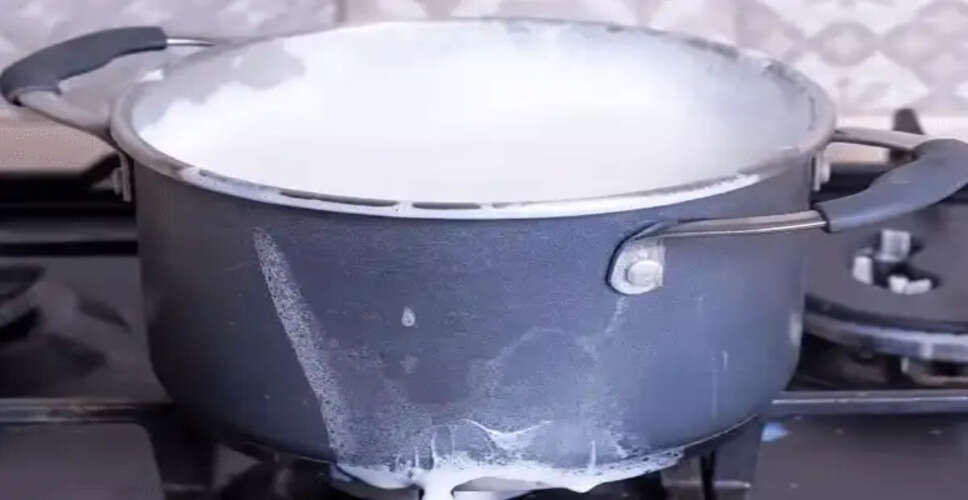
When cooking, it's common for pots of milk or water to boil over and spill onto the gas stove. In such cases, many people instinctively turn off the gas and quickly wipe the surface before relighting the burner. However, experts warn that this haste can lead to dangerous situations. It is crucial to follow specific precautions after any liquid has spilled on a gas stove.
Immediate Actions to Take After a Spill
The first step after a spill is to turn off the gas supply. It's important to check not just the surface but also to ensure that the liquid hasn't seeped into the internal components of the stove.
In particular, if milk spills, it can leave a sticky residue once it dries, potentially blocking the burner holes. Instead of reigniting the stove immediately after cleaning, allow some time for any hidden moisture to evaporate completely.
What to Do If the Stove Won't Ignite
If the stove still does not light after cleaning and waiting, avoid repeatedly trying to ignite it with a lighter or ignition switch. Instead, you can check common components like the burner or knob, but do not attempt to open any internal or electrical parts yourself.
Recognizing Gas Leaks and Seeking Help
Most importantly, if you detect even a faint smell of gas after cleaning, do not attempt to light the stove. In such cases, immediately turn off the gas cylinder's regulator and seek assistance from a qualified technician.