
Essential Questions to Ask During Parent-Teacher Meetings


Understanding the Importance of Parent-Teacher Meetings
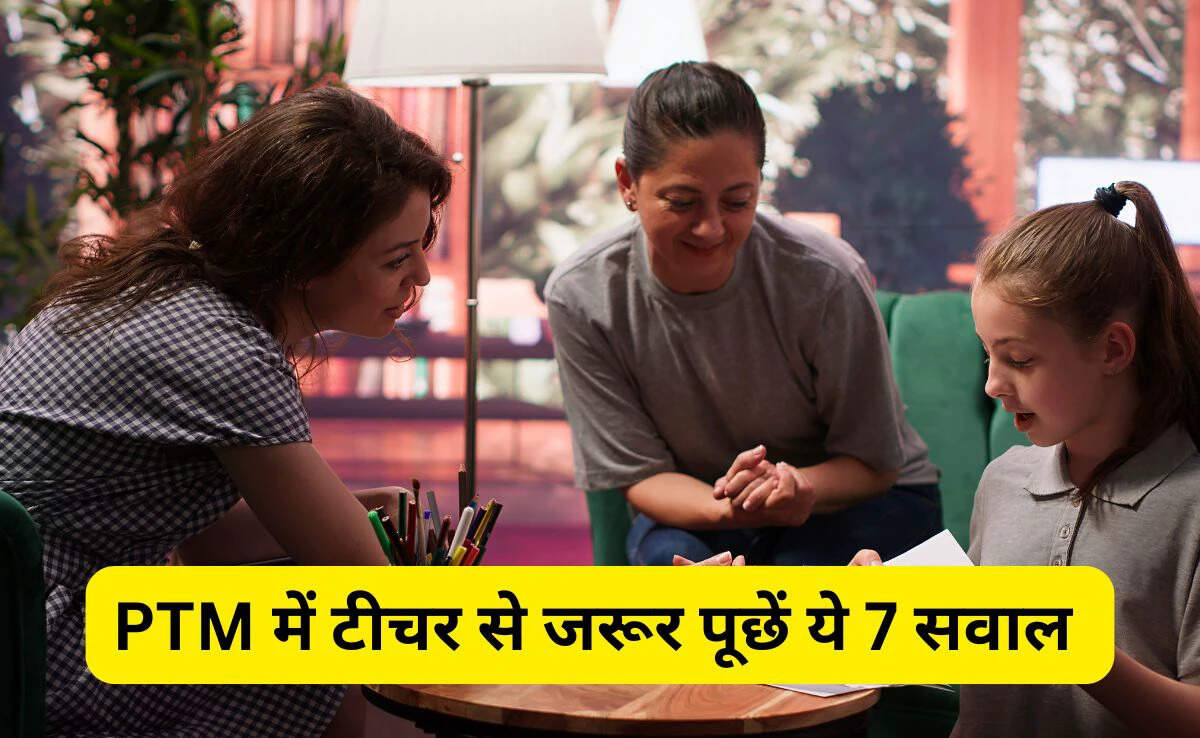
Parenting Insights: Parent-Teacher Meetings (PTMs) are typically held two to three times a year, with some schools conducting them monthly. The primary goal of these meetings is to enhance communication between parents and teachers regarding the child's progress.
During PTMs, parents gain valuable insights into their child's performance and development, allowing them to assess how their child interacts with teachers and peers. Teachers, in turn, can inform parents about their child's strengths and areas needing improvement, facilitating discussions on how to enhance the child's academic journey. However, parents should come prepared with specific questions to ensure they gather comprehensive information about their child's overall growth.
Key Questions Parents Should Consider Asking
Parenting expert Vibha Sharma frequently shares practical tips on social media that can be beneficial for parents. In one of her recent videos, she outlined seven essential questions that parents should ask teachers during PTMs.
1. Does my child pay attention in class and actively participate?
2. Which subjects does my child excel in, and where does he/she need improvement?
3. How does my child behave in class? Does he/she help other students?
4. What extracurricular activities is my child interested in?
5. Is my child responsible for his/her belongings in class?
6. How can we, as parents, support his/her academic growth?
7. Is there anything important about my child that I should know?
Why Asking Questions at PTMs is Crucial
- Identifying the child's strengths and weaknesses helps address shortcomings and enhance strengths.
- Parents gain a clearer understanding of their child's behavior, while teachers learn about the child's conduct at home.
- Insights into the child's progress and potential are revealed.
- Discussions about learning methods can assist parents in supporting their child's education at home.
- Parents can learn about their child's strengths in extracurricular activities or share their insights with teachers.