
Essential Health Checkups for Men Over 40
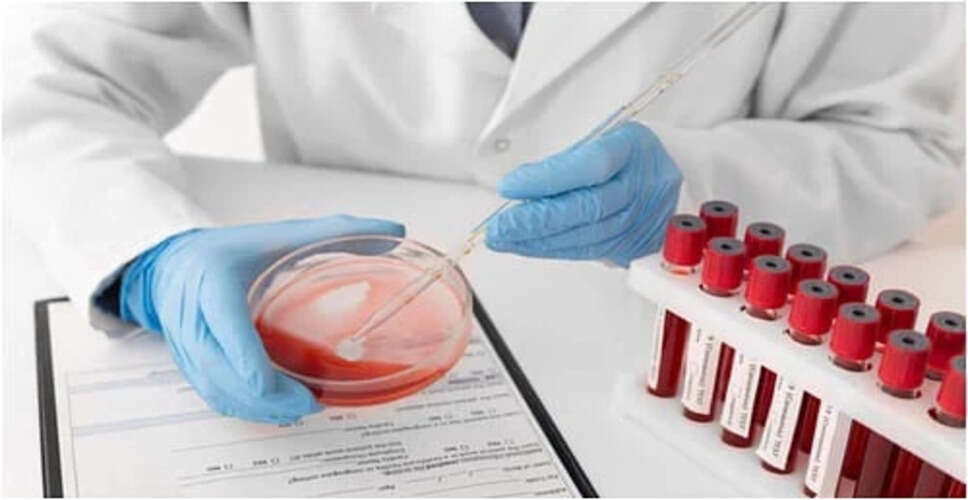
Health Checkups for Men After Turning 40
Reaching the age of 40 is often seen as a significant milestone in life, marking the onset of various physical and mental health changes. After this age, men face an increased risk of developing several chronic illnesses.
However, by undergoing regular health checkups and taking timely precautions, these diseases can either be prevented or managed in their early stages. Many men tend to overlook their health, which can lead to serious issues down the line. Therefore, it is crucial to identify health problems early on to address them effectively. Experts recommend that men over 40 should consider certain tests to monitor their health and protect themselves from potential serious illnesses in the future. Let’s explore some key health checkups that are essential.
Blood Pressure and Cholesterol Tests
After turning 40, issues like high blood pressure and elevated cholesterol levels become quite common. Both are significant risk factors for heart disease and stroke. It is vital to have regular blood pressure checks annually and cholesterol tests every 3-5 years. If results exceed normal levels, consulting a doctor is advisable.
Blood Sugar Testing
Diabetes is a rapidly growing health concern in India, with risks increasing after the age of 40. Regular blood sugar testing, such as the HbA1c test, is essential. This test not only helps in diagnosing diabetes but also indicates how well blood sugar levels have been controlled over the past three months.
Prostate Examination
The prostate gland is a crucial organ in men, and the likelihood of issues increases after 40. Tests like the Prostate-Specific Antigen (PSA) test and Digital Rectal Exam (DRE) assist in detecting conditions such as prostate cancer and benign prostatic hyperplasia. Early detection of these diseases is vital for effective treatment.
Liver and Kidney Function Tests
Maintaining healthy liver and kidney function becomes increasingly important after 40. Liver Function Tests (LFT) and Kidney Function Tests (KFT) should be conducted to assess the functionality of these organs. These tests measure liver enzyme levels and creatinine, helping to determine if these organs are functioning properly. Regular testing can identify early signs of fatty liver or kidney issues, allowing for timely intervention.