
Escalation of Conflict Between Saudi Arabia and Houthi Rebels Marks New Tensions

Significant Military Engagements Erupt
On Monday, Saudi Arabia and the Iran-backed Houthi rebels engaged in a series of significant military strikes, representing the most intense conflict between the two parties in several years following a period of relative peace. The hostilities were ignited when the Houthis accused Saudi forces of conducting airstrikes on Sanaa International Airport. In contrast, Yemen's internationally recognized government claimed these strikes aimed to prevent an Iranian aircraft from landing.
Yemen's Defense Minister, General Taher al-Aqili, stated that the runway at the airport was targeted to stop an Iranian plane carrying a Houthi delegation returning from Tehran after attending the funeral of Iran's Supreme Leader, Ayatollah Ali Khamenei. Al-Aqili had previously issued a warning against Iranian aircraft entering Yemeni airspace, declaring, "Our patience has run out. We will respond appropriately to this treacherous act and will confront any hostile aircraft violating our airspace with all available means," in a video statement.
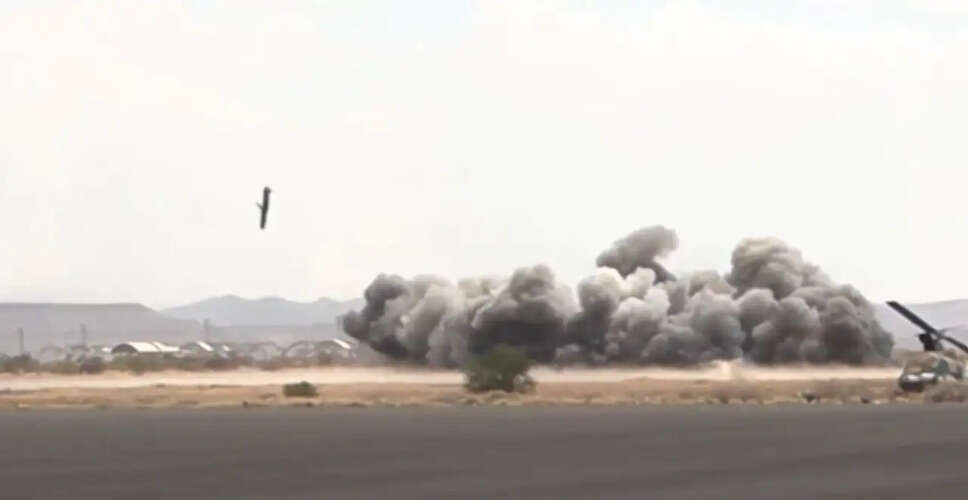
The Houthis reported that the Iranian plane was redirected to Hodeida Airport, where it landed without incident. Footage broadcast by the Houthi-controlled al-Masirah network appeared to show a missile hitting the runway at Sanaa airport, followed by a significant explosion.
The moment of the Saudi airstrike on Houthi-controlled Sana'a International Airport in Yemen, aimed at preventing the landing of an Iranian plane earlier today. pic.twitter.com/nrf44lj21l
— Visegrád 24 (@visegrad24) July 13, 2026
In response to the escalating situation, Yemen's government announced the closure of all airports in the country until further notice, with evacuations ordered for Sanaa airport and its vicinity. Houthi military spokesperson Brig. Gen. Yahya Saree condemned the Saudi airstrikes, asserting that they signified the end of a de-escalation phase. He stated on Telegram, "This aggression will not go unanswered or unpunished."
Shortly after, tensions heightened when a senior Houthi official proclaimed that the Bab al-Mandab Strait would also be closed, similar to the Strait of Hormuz. Following this, six ballistic missiles were launched from Yemen targeting southern Saudi Arabia, specifically Abha International Airport and King Khalid Air Base in Khamis Mushait, as reported by Saudi Arabia's Joint Forces Yemen spokesperson. Saudi officials confirmed that their air defenses intercepted the missiles fired from Houthi-controlled territories, marking the first significant Houthi assault on Saudi soil in years.
As a result of the missile launches, flight tracking service Flightradar24 reported the closure of Abha International Airport, stating, "Abha Airport in Saudi Arabia has been closed after reported missile launches from Yemen. Inbound flights have been diverted, and others scheduled for Abha are returning to their bases." This latest exchange of hostilities follows earlier tensions this month when the Houthis accused Saudi aircraft of breaching Yemeni airspace to obstruct an Iranian plane carrying a Houthi delegation to Tehran for Khamenei's funeral. The renewed conflict poses a threat to the fragile calm that has prevailed since a UN-brokered truce was established in 2022.