
Escalating Tensions: US-Iran Standoff Over Strait of Hormuz Heats Up
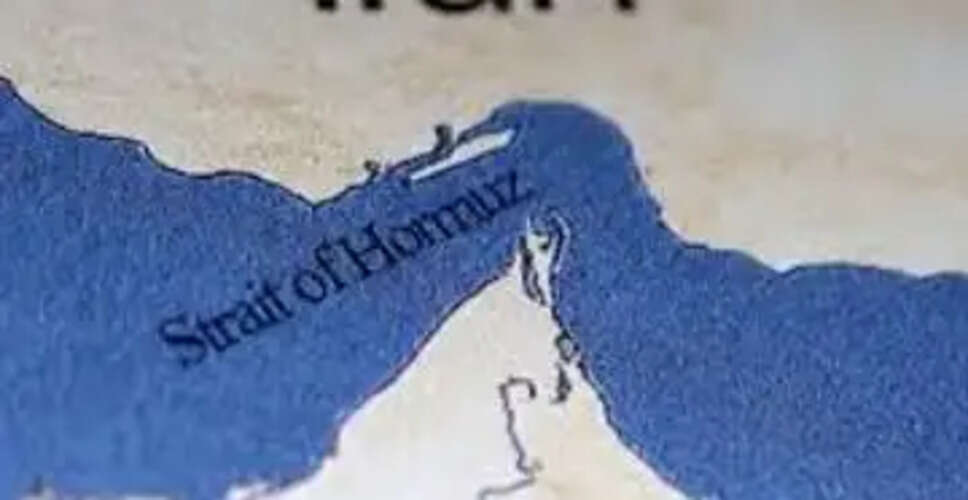

Rising Tensions in the Strait of Hormuz
In Dubai, the standoff between the United States and Iran over the strategic Strait of Hormuz escalated on Friday. President Donald Trump announced that he had instructed the US military to 'shoot and kill' Iranian small boats in the area, while Iranian officials refuted his claims of a division within their leadership.
Iran's President Masoud Pezeshkian and Parliament Speaker Mohammad Bagher Qalibaf emphasized in nearly identical social media posts that there are no factions within Iran, stating, 'We are all Iranians and revolutionaries.'
Following the assassination of Supreme Leader Ali Khamenei on February 28, the power dynamics in Iran have become uncertain, with various civilian leaders and military generals vying for influence.
Additionally, Trump revealed that Israel and Lebanon have agreed to extend their ceasefire for three weeks after discussions at the White House.
The ongoing tensions have severely impacted oil exports through the Strait of Hormuz, a crucial passage for 20% of the world's oil trade, with no resolution in sight.
Iran Engages Pakistan on Ceasefire Discussions
Iran's Foreign Minister Abbas Araghchi has reached out to Pakistani officials regarding the ceasefire amid the ongoing conflict with the United States and Israel.
On Friday, it was reported that Araghchi spoke with Pakistan's Foreign Minister Ishaq Dar and Army Chief Field Marshal Asim Munir. The discussions focused on 'regional developments and ceasefire-related issues,' although details were not disclosed.
Pakistan has not yet publicly acknowledged the conversation. The country has been attempting to facilitate negotiations between American and Iranian officials in Islamabad, where talks that were anticipated earlier this week did not occur.
Concerns Over US-Iran Negotiations
Kaja Kallas, the European Union's foreign policy chief, expressed concerns that the ongoing peace negotiations between the US and Iran might lead to a 'weaker' agreement compared to the one established a decade ago.
Kallas warned that if discussions are limited to nuclear issues without the presence of nuclear experts, the resulting agreement could be less robust than the Joint Comprehensive Plan of Action (JCPoA) from 2015, which Trump withdrew from in 2018.
She cautioned that failing to address Iran's missile programs, support for proxy groups, and hybrid and cyber activities in Europe could result in a more perilous situation with Iran.
Medical Aid Convoy Sent from Turkiye to Iran
A convoy carrying medical aid has departed from Turkiye en route to Iran, as reported by the state-run Anadolu news agency on Friday.
The convoy, consisting of six trucks, left from Van in eastern Turkiye and is set to cross through the Gurbulak border. Van Health Director Muhammed Tosun stated that the shipment includes essential medicines and medical supplies.
Previously, three trucks had been dispatched, making this the second delivery, totaling nine trucks of aid materials sent to assist Iranian citizens.