
Escalating Tensions: US-Iran Relations at a Crossroads After Ship Seizure
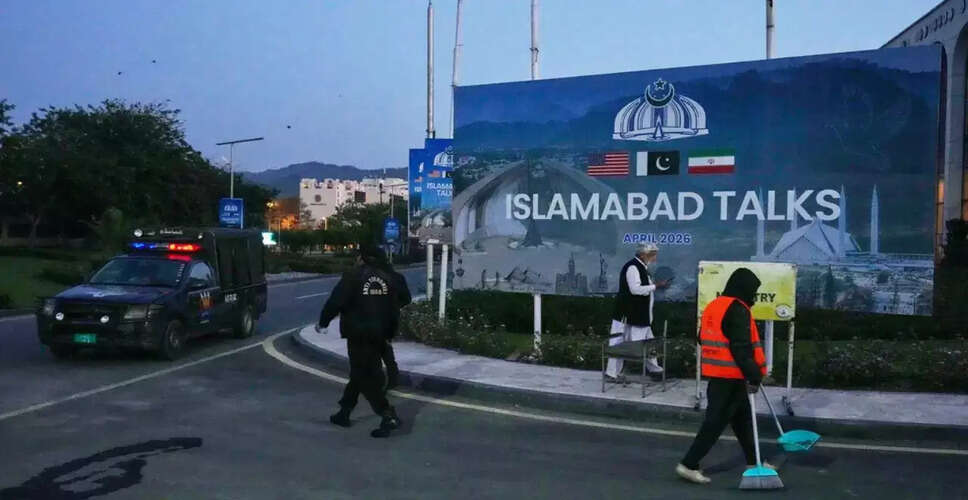

Uncertain Future for US-Iran Talks
The recent escalation in the Gulf of Oman has cast doubt on the future of negotiations between the United States and Iran. President Donald Trump announced on Sunday that US forces had attacked and captured an Iranian cargo ship. According to Trump, the USS Spruance, a guided-missile destroyer, fired upon the vessel, causing significant damage before US Marines boarded it. This incident occurs just days before a fragile ceasefire is set to expire, raising questions about the continuation of diplomatic efforts.
US-Iran Conflict Over Ship Seizure
In a statement on Truth Social, Trump claimed the ship had violated a US blockade and was under sanctions due to its involvement in illegal activities. He stated, "We have full custody of the ship and are examining its cargo!" without mentioning any casualties. Iran's military confirmed the attack, labeling it an act of maritime piracy and warning of a forthcoming response. The statement from Iran's Hazrat Khatam al-Anbiya military headquarters condemned the US actions as a violation of the ceasefire.
Ongoing Tensions in the Strait of Hormuz
This incident occurred south of the strategically significant Strait of Hormuz, through which approximately 20% of global oil supply is transported. Iran has imposed a blockade in this area, while the US has restricted access to Iranian ports. Trump criticized Iran for attacking two Indian vessels in the region, calling it a breach of the ceasefire that began on April 8 and is set to end on April 22. As the deadline approaches, tensions continue to escalate.
WATCH: U.S. forces seizes Iranian ship TOUSKA in the Gulf of Oman. pic.twitter.com/dnweL38Dr7
— AZ Intel (@AZ_Intel_) April 19, 2026
Are US-Iran Talks Still Possible?
Trump previously indicated that US negotiators would head to Islamabad for discussions with Iranian officials on Monday, led by Vice President JD Vance. However, there has been no confirmation from Iranian sources regarding these talks. Iranian state media reported skepticism about the negotiations, citing a conversation between Iranian President Masoud Pezeshkian and Pakistani Prime Minister Shehbaz Sharif, where Pezeshkian expressed concerns about US intentions. Iran's Foreign Minister also criticized the US for its recent actions, suggesting they reflect a lack of seriousness in diplomatic efforts.
Additionally, Iran's IRNA news agency reported that the country has declined to participate in a second round of talks, citing unreasonable demands from Washington and ongoing contradictions. The upcoming discussions were intended to follow a previous round in Islamabad that did not yield any significant progress. Trump reiterated his stance, stating, "We're offering a very fair and reasonable DEAL," while warning that failure to engage could lead to severe consequences for Iran, including the destruction of critical infrastructure. With the ceasefire deadline approaching and maritime tensions rising, the likelihood of successful diplomacy remains uncertain.