
Escalating Tensions: US-Iran Conflict Reaches Critical Juncture
US-Iran Conflict Intensifies
The situation in the Middle East is currently under intense scrutiny as the deadline set by Donald Trump for Iran to open the Strait of Hormuz approaches. This ultimatum, which expires at 8 PM US time on Tuesday, comes with a stark warning from Trump: failure to comply could lead to devastating consequences for Iran. The future of the nation hangs in the balance as the US prepares for potential military action, while Iran shows no signs of backing down.
During a press conference at the White House, Trump stated, 'Iran could be obliterated overnight, and that night could be tomorrow.' He indicated that a simultaneous event involving power plants and bridges would occur, suggesting a deal to open Hormuz in exchange for avoiding destruction. The warning was clear: if Hormuz remains closed, US forces would not discriminate between military and civilian targets in Iran, leading to widespread attacks.
US Defense Secretary Pete Hegseth emphasized the severity of the potential strikes, indicating that they would be unprecedented in scale. The US has made it clear that if Hormuz is not opened, significant bombings would target power facilities, bridges, and other critical infrastructure.
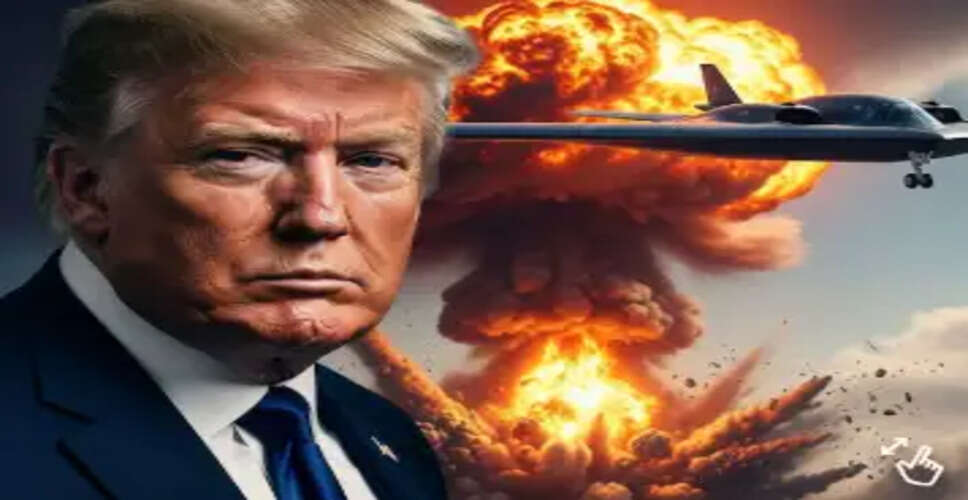
To exert further pressure on Iran, the US released an image of the B-2 Spirit stealth bomber, capable of turning a thriving nation into rubble in moments. This aircraft plays a crucial role in Operation Epic Fury, symbolizing the potential devastation awaiting Iran.
In a related development, Israel has attacked Iran's largest South Pars gas field petrochemical plant, a vital source of domestic energy. The assault resulted in the deaths of two IRGC commanders, including intelligence chief Major General Majid Khademi. Israeli Defense Minister Israel Katz has vowed to systematically eliminate Iranian targets, and the IDF has initiated a new wave of attacks, striking three airports in Tehran—Bahrām, Mehrabad, and Azmayesh—destroying numerous helicopters and aircraft.
Iran's response has been resolute. The nation rejected a 45-day ceasefire proposal, insisting on a permanent peace rather than a temporary halt. Iran has communicated a ten-point response via Pakistan, demanding reconstruction post-war and the lifting of sanctions. Mohammad Fardousi Pour, head of Iran's Cairo mission, stated that Iran would only accept agreements that ensure no further attacks.
Trump reiterated that opening Hormuz is a top priority, as it is a critical route for 20% of the world's oil. Following the onset of hostilities, Iran has prevented US and Israeli vessels from passing through. The US has warned that without an agreement, attacks on power plants and bridges will commence. Iran now faces a critical few hours to negotiate or risk being reduced to ruins. Despite the UN's stance that attacking civilian infrastructure violates international law, the US remains undeterred. As the ultimatum nears its end, a wave of US-Israeli attacks could be imminent, with Trump asserting that very few targets will remain safe. While Iran continues its missile and drone operations, the US is poised for a significant escalation.