
Escalating Tensions: US-Iran Conflict Intensifies Amid Missile Alerts
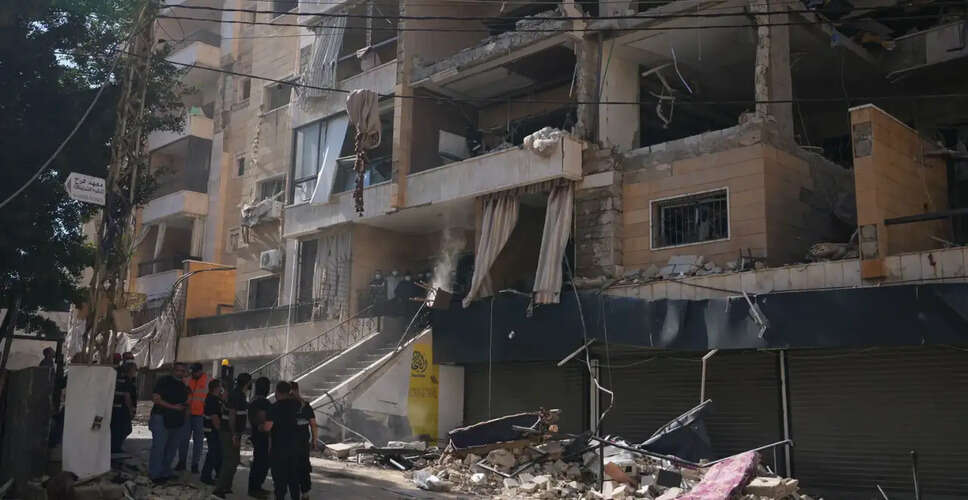

Missile Alerts in Bahrain Amid Rising Tensions
On Wednesday, tensions between the United States and Iran surged dramatically as Bahrain activated missile alert sirens, advising residents to take cover. This escalation followed Iran's assertion that it had targeted the US Navy's Fifth Fleet headquarters located in Bahrain. The situation escalated further after the US conducted a series of strikes on Iran in retaliation for the downing of a US Army Apache helicopter near the Strait of Hormuz, raising concerns about the stability of a fragile ceasefire in the region.
Bahrain Issues Public Safety Alert
Bahrain's Interior Ministry responded to Iran's claims by urging citizens to seek shelter. According to a statement from Iran's Islamic Revolutionary Guard Corps (IRGC), they executed a drone strike against the US Fifth Fleet at 2:30 AM. This military base has been a crucial US strategic asset in the Gulf and has faced ongoing threats amid the current conflict.
US Conducts Retaliatory Strikes
The escalation began when President Trump accused Iran of shooting down the Apache helicopter. In response, US Central Command (CENTCOM) announced that American forces had initiated self-defense strikes against Iranian targets. CENTCOM stated, "At the direction of the Commander in Chief, CENTCOM forces began launching self-defense strikes against Iran at 5 PM ET today, in response to the unjustified Iranian aggression that resulted in the downing of a US Army Apache helicopter." The strikes aimed at Iranian air defense systems and surveillance installations near the Strait of Hormuz.
Reports of Explosions in Southern Iran
Following the US strikes, Iran's Fars News Agency reported multiple explosions in Hormozgan province, specifically in Kuhistak, Sirik, and Minab. Iranian state media indicated that explosions and air defense sirens were audible in Bandar Abbas and Qeshm, with claims of repeated attacks on these areas. Additionally, state broadcaster IRIB reported that US strikes had impacted two water reservoirs in southern Iran, affecting water supply in the Bamani district near Sirik. President Trump defended the military action, asserting that a strong response was warranted after the helicopter incident.
Iran Denies Involvement and Promises Retaliation
Iran has refuted claims of responsibility for the helicopter's downing, with state media quoting a military official stating that no operations had occurred over the Strait of Hormuz in the last 24 hours. However, Iranian Foreign Minister Abbas Araghchi warned that Tehran would retaliate against any aggression, stating, "Our powerful armed forces will leave no attack or threat unanswered." He further advised the US to withdraw from the region for its own safety. This latest exchange of military actions and counterclaims poses a significant risk to the ceasefire established on April 8, which had temporarily halted hostilities between the US-Israel coalition and Iran.