
Escalating Tensions: US-Iran Agreement on the Brink of Collapse
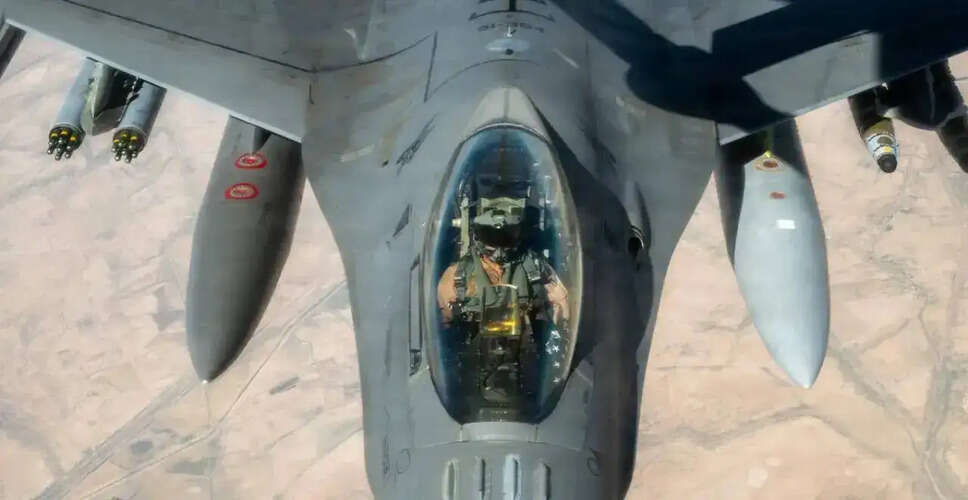

Overview of the US-Iran Conflict
A fragile agreement aimed at resolving the prolonged conflict between the United States and Iran is currently in jeopardy. Recent military actions from both nations have led to accusations of violations of the ceasefire, raising concerns that months of diplomatic efforts may unravel. President Trump authorized airstrikes against Iranian military positions, claiming Iran had overstepped its bounds. In retaliation, Iran launched missiles and drones towards Bahrain and Kuwait, cautioning that further American aggression could completely derail ongoing negotiations.
The situation is particularly alarming given that it has been less than two weeks since Trump and Iranian President Masoud Pezeshkian finalized a 14-point agreement intended to ease tensions and initiate a 60-day negotiation period addressing sanctions, the Strait of Hormuz, and Iran's nuclear ambitions. Below is a timeline of the events that led to this escalation.
Timeline of Events
June 17
Trump and Pezeshkian signed a memorandum outlining commitments to cease military actions, reopen the Strait of Hormuz, begin lifting the U.S. naval blockade, and negotiate a comprehensive peace agreement within 60 days.
June 19
Just two days later, renewed hostilities between Israel and Hezbollah in Lebanon tested the agreement. Iran contended that the deal was meant to halt conflicts on all fronts, including Lebanon. However, U.S. officials maintained that the broader peace process was still progressing despite the violence.
June 20
Iran accused the U.S. of acting in bad faith, citing the ongoing U.S. naval presence and unresolved issues regarding control over shipping in the Strait of Hormuz. Tehran insisted it would continue to assert its authority over the waterway until its concerns were addressed, while U.S. officials claimed maritime traffic remained unaffected.
June 25
The Singapore-flagged container ship Ever Lovely was reportedly hit by an "unknown projectile" near Oman in the Strait of Hormuz. U.S. officials indicated that Iran was likely responsible, while Singapore's Maritime and Port Authority confirmed minor damage to the vessel, with all crew members safe.
June 26-27
CENTCOM
2070681703077622030
The U.S. military executed retaliatory strikes on Iranian military assets, targeting drone facilities, surveillance systems, and air defenses, asserting that Iran had breached the ceasefire.
June 27
Iran dismissed the U.S. narrative, claiming that the American strikes constituted the real violation. Tehran argued that disputes should have been resolved diplomatically rather than through military means, warning that ongoing attacks could jeopardize negotiations. On the same day, the Panama-flagged oil tanker MT Kiku was struck by an Iranian drone.
June 28
The U.S. conducted another series of strikes after Trump accused Iran of violating the agreement once more. CENTCOM reported that Navy and Air Force jets targeted ten Iranian military sites near the Strait of Hormuz in direct response to the drone attack on the MT Kiku.
CENTCOM
2071029590932258941
Iran retaliated with missile and drone strikes aimed at Bahrain and Kuwait, warning that the peace process could collapse if U.S. military actions continued. Both nations continued to blame each other for the escalating conflict.
The Bigger Picture
At the heart of this conflict lies a critical question: who controls shipping through the Strait of Hormuz? Until this issue is resolved, the ceasefire is likely to remain tenuous, even with time still available for negotiations.