
Escalating Tensions: US and Israel Launch Strikes on Iran Amid Diplomatic Hopes
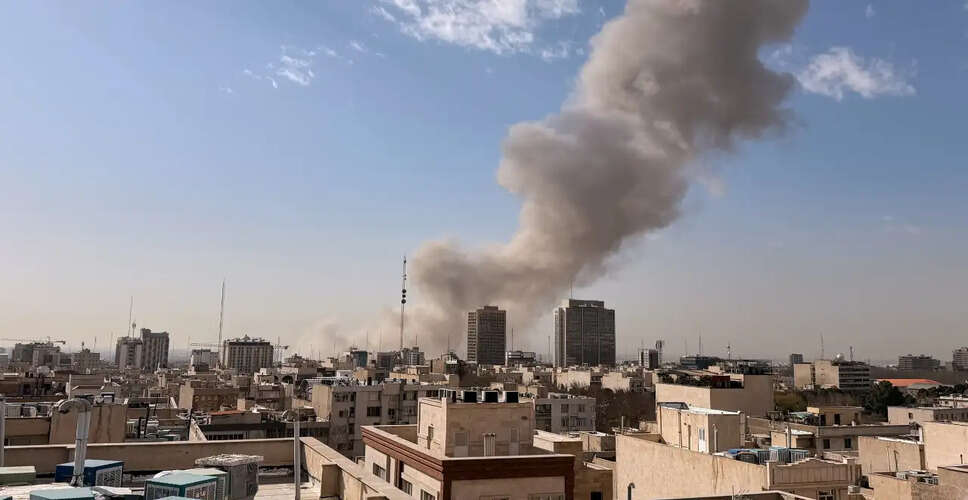
Military Strikes Ignite Conflict in the Middle East
On the morning of February 28, a military operation was executed by the United States and Israel against Iran, escalating tensions in the Middle East. In retaliation, Tehran fired missiles at Israel and several Gulf nations, labeling the strikes as "unprovoked and illegal." Countries like Bahrain and the UAE found themselves in the crossfire, reporting intercepted missiles after Iran threatened to retaliate if attacked.
Just hours prior to the US-Israel operation named 'Operation EPIC FURY,' Oman’s foreign minister expressed optimism regarding a potential diplomatic resolution between Washington and Tehran. Badr Albusaidi, the Omani Foreign Minister, stated on CBS’ Face the Nation that a peace agreement was “within our reach.” He emphasized that significant progress had been made in resolving key issues in the US-Iran negotiations, particularly concerning Iran's nuclear ambitions.
Albusaidi remarked, “If the ultimate objective is to ensure forever that Iran cannot have a nuclear bomb, I think we have cracked that problem through these negotiations.” He noted that there was a consensus that Iran would not possess nuclear materials capable of weaponization.
He further claimed that Iran had consented to not stockpile excess enriched nuclear material that could be weaponized, a concession surpassing the limits of the 2015 nuclear agreement established during the Obama administration. “There would be zero accumulation, zero stockpiling and full verification by the IAEA,” he added, referring to the International Atomic Energy Agency.
Oman has historically played a vital mediating role between the US and Iran, facilitating three recent negotiation rounds. Albusaidi expressed hope following the latest discussions on Thursday, just before the military escalation shifted the dynamics of those talks.
However, contrasting views emerged from US President Donald Trump, who expressed dissatisfaction with the negotiations and accused Iran of failing to meet US demands. This marks the first military action taken by Trump during his tenure, aimed at regime change in collaboration with Israel, yet it lacks legal justification, especially amid ongoing diplomatic efforts and minimal consultation with Congress or the public.
Following the commencement of the strikes, Trump shared a video on Truth Social, asserting that the "massive" operation aimed to prevent Iran from acquiring nuclear weapons and to eliminate perceived threats from the Iranian regime.
He warned that if the Islamic Revolutionary Guard Corps (IRGC) did not surrender, they would face dire consequences, stating that Iran's military capabilities would be severely compromised.
Israeli Prime Minister Benjamin Netanyahu remarked that the attack would empower the Iranian populace to reclaim their future and "remove the yoke of tyranny."