
Escalating Tensions: The Multi-Nation Crisis Involving the US, Israel, and Iran

Overview of the Regional Crisis
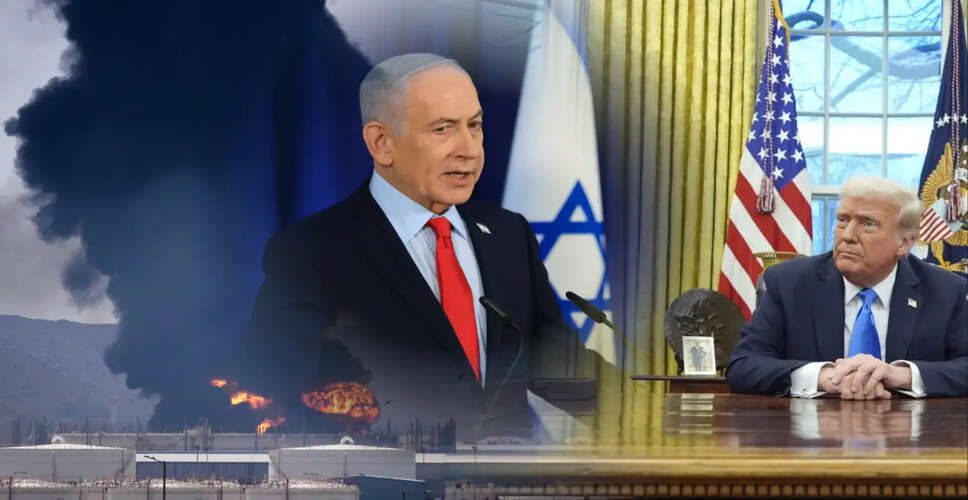
The ongoing conflict among the United States, Israel, and Iran has transformed into a complex regional crisis, intensifying long before any ceasefire discussions aimed at restoring peace. Recently, US President Donald Trump proclaimed a significant agreement with Iran on his birthday, stating that the US would lift its blockade on Iran and reopen the Strait of Hormuz. This announcement coincided with a large UFC event hosted at the White House. The timeline of the conflict indicates that eight nations were actively involved or targeted before the ceasefire framework was established, with several other countries engaging through diplomacy, naval operations, and economic measures. The primary actors in this conflict are the United States, Iran, and Israel.
Origins of the Conflict
How did it all Begin?
The situation escalated significantly on February 28, 2026, when coordinated attacks were launched by American and Israeli forces. In retaliation, Iran executed missile and drone strikes not only against Israel and US military installations but also targeted allied Gulf nations across West Asia. As the conflict expanded, several regional countries became involved. The evidence points to Saudi Arabia, the United Arab Emirates, Kuwait, Iraq, and Lebanon as nations directly impacted or drawn into military actions related to the conflict. Saudi Arabia, the UAE, and Kuwait were reportedly targeted during Iranian counterattacks, prompting them to enhance their security measures.
Iraq found itself deeply involved as Iranian strikes targeted areas within Iraqi Kurdistan, while Lebanon faced renewed hostilities between Hezbollah and Israel, leading to what is referred to as the '2026 Lebanon War.' This secondary conflict resulted in over 2,000 casualties, including both civilians and combatants.
Countries Involved in Ceasefire Negotiations
Which Countries Helped Broker The Ceasefire?
In addition to the direct combatants, several nations emerged as diplomatic intermediaries striving to avert a broader regional collapse. Pakistan, Oman, and Qatar played crucial roles in the ceasefire negotiations. Pakistan was particularly visible, facilitating a two-week ceasefire that commenced on April 8, 2026, and hosting discussions among American, Iranian, and regional representatives as diplomatic efforts ramped up in March and April.
Oman and Qatar acted as quieter backchannel negotiators, utilizing their established relationships with both Tehran and Washington to maintain communication during heightened tensions. However, the ceasefire remained precarious as fundamental issues, such as Iran's nuclear ambitions, sanctions, maritime security, and the blockade of the Strait of Hormuz, were not fully addressed.
Global Powers' Involvement
How Global Powers Became Involved
While not directly engaged in combat, several major global powers became strategically involved as the conflict posed risks to energy markets and maritime trade. Russia and China provided political support to Iran while condemning US naval blockade efforts. Meanwhile, NATO allies, including the UK and France, worked on maritime coalition strategies to secure shipping routes near the Strait of Hormuz.
Other nations also found themselves indirectly involved in the operational landscape, with Iranian strikes or drone activities reported in:
- Bahrain
- Jordan
- Oman
- Qatar
- Azerbaijan
- Turkey
- Britain’s Akrotiri military base in Cyprus
This situation has evolved into a multifaceted regional confrontation, encompassing Gulf monarchies, global powers, proxy groups, naval blockades, and international energy infrastructure.