
Escalating Tensions: Taliban Accuses Pakistan of Airstrikes Amid Ongoing Conflict
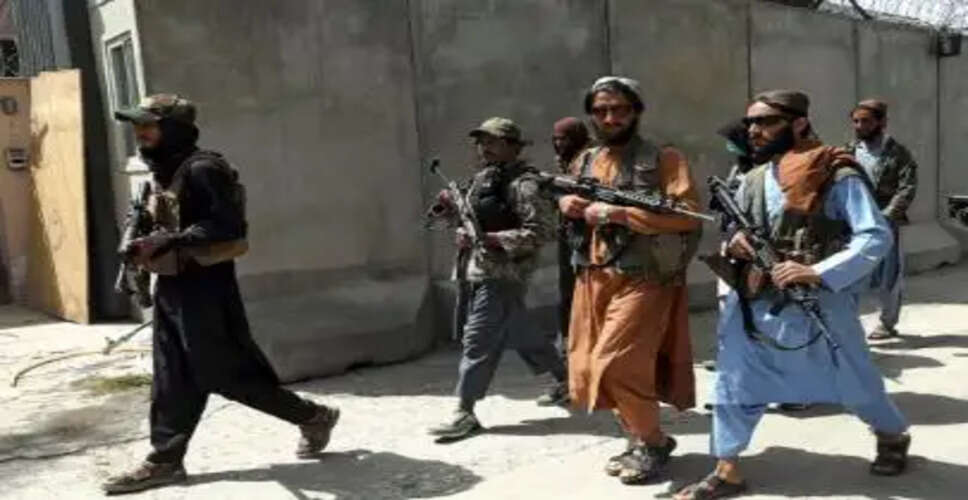
Rising Hostilities Between Afghanistan and Pakistan
Kabul: The Taliban administration in Afghanistan has accused the military of Pakistan of conducting airstrikes that targeted residential areas in Kabul and other regions, resulting in the deaths of at least six civilians and injuring over a dozen more. This escalation marks the third week of conflict between the two nations.
Zabihullah Mujahid, a spokesperson for the Afghan government, stated on X that Pakistani aircraft also bombed fuel depots belonging to Kam Air, a private airline, near Kandahar's airport. This airline is crucial for supplying fuel to both civilian flights and United Nations operations.
In contrast, Pakistan's state television reported successful airstrikes by its armed forces within Afghanistan, claiming to have targeted four alleged militant hideouts and their associated infrastructure.
These developments come amid heightened tensions, with Pakistan describing the situation as an open war. The ongoing conflict raises concerns about regional stability, especially as the US-Israeli conflict with Iran shows no signs of resolution.
The root of the dispute lies in Pakistan's belief that the Taliban government in Afghanistan is providing refuge to militant groups that launch attacks against Pakistan and maintain ties with India, its long-standing rival.
The Taliban, however, denies these allegations.
Conflict Escalation Since February
Since late February, both nations have been targeting each other's military positions. Afghanistan claimed to have retaliated against Pakistani posts following attacks along the border. Pakistan's military asserts that its operations are focused on the Pakistani Taliban and their support networks.
Both sides have reported significant casualties, marking some of the most intense fighting in years.
The Afghan Defence Ministry reported that its air force retaliated against Pakistani military targets in the Kohat district, inflicting considerable damage.
Pakistan's Ministry of Information dismissed these claims as unfounded, stating that the Pakistani Taliban attempted to deploy drones in Kohat, which were intercepted by Pakistani forces, resulting in injuries to two civilians from debris.
Mujahid, the Afghan spokesperson, alleged that Pakistani airstrikes hit various civilian and uninhabited sites in Paktia and Paktika provinces, warning that such attacks would not go unanswered.
Kabul police reported that at least four civilians, including children, lost their lives in the city, with 15 others injured. Additionally, a mortar shell from Pakistan killed a woman and a child in Nangarhar province.
The total casualty figures in Afghanistan remain uncertain.
Failed Diplomatic Efforts
The latest airstrikes from Pakistan occurred shortly after China's special envoy, Yue Xiaoyong, visited Islamabad and met with his Pakistani counterpart, Mohammad Sadiq, following discussions in Kabul.
Sadiq mentioned that they addressed the threats posed by terrorist groups and emphasized the necessity for collaborative efforts to achieve enduring peace and stability.
Despite repeated international calls for restraint, the situation remains volatile. Pakistan has previously stated that its military actions along the border and within Afghanistan target the Khawarij, a term used for the banned Pakistani Taliban, or TTP.
On the same day, a roadside bomb in Lakki Marwat, a district in northwest Pakistan, killed six police officers, with suspicion likely falling on the TTP, known for claiming such attacks.
Since the Taliban regained control in Afghanistan in 2021, the TTP has escalated its operations within Pakistan and along the border. Islamabad insists that military operations will persist until Kabul takes effective measures to address the TTP and other militant groups operating from its territory.
A ceasefire mediated by Qatar had temporarily halted intense fighting in October, but subsequent peace talks in Turkey in November failed to yield a lasting resolution.