
Escalating Tensions: Israeli Strikes on Iran's South Pars Gas Field Impact Global Energy Security
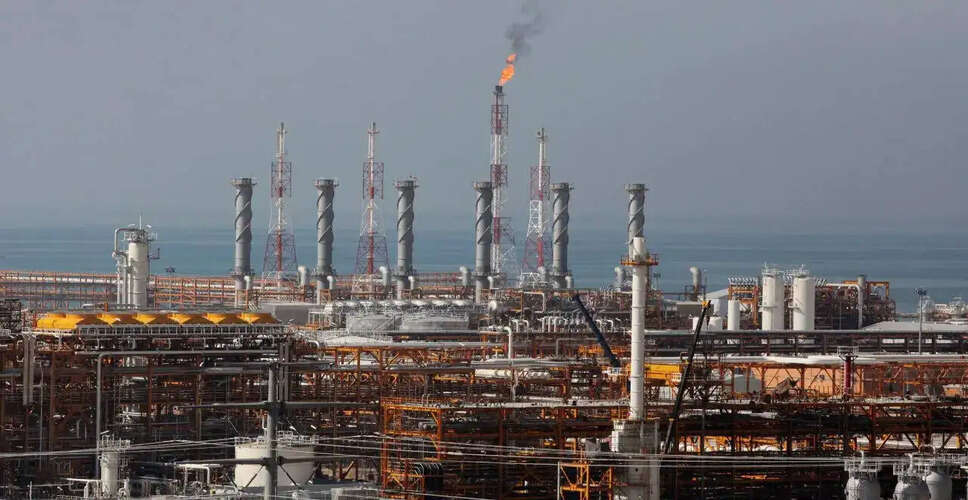
Israeli Air Force Targets South Pars Gas Field
In a significant escalation of conflict, the Israeli Air Force launched strikes on the South Pars gas field, the largest natural gas reserve globally, which Iran shares with Qatar. This operation, which took place on Wednesday evening, was reportedly coordinated with the approval of US President Donald Trump. This marks the first instance of Israel targeting gas facilities in Iran. The drone strikes specifically hit the third and sixth phases of the South Pars gas field located in Asaluyeh, leading to a halt in production at two refineries with a combined output of around 100 million cubic meters per day, as reported by Axios.
Iranian state media indicated that several petrochemical facilities were shut down to manage the resulting fire. Qatar's Foreign Ministry spokesperson, Majed Al Ansari, condemned the Israeli actions on social media, labeling them a "dangerous and irresponsible step amid the ongoing military escalation in the region." The North Dome, which shares geological features with South Pars, is operated by QatarEnergy, producing approximately 18.5 billion cubic feet of gas daily, contributing to about 20% of the global LNG supply.
Should Iran retaliate against Qatari facilities, as has been explicitly threatened, it could jeopardize the world's two largest sources of nitrogen, essential for food production.
In response to the strikes, Iran may target previously secure enemy infrastructure, according to a source cited by Fars News agency. Trump characterized the attack as a move to put Iran "out of business," while also igniting concerns over the global nitrogen supply chain. Following the strikes, energy prices surged, with European natural gas prices rising by 6% on Wednesday.
The South Pars gas field is crucial for Iran, supplying around 70% of its domestic natural gas. This gas is vital for the Haber-Bosch process, which converts methane into ammonia and subsequently into urea, a key nitrogen fertilizer for modern agriculture. Bloomberg commodities analyst Javier Blas remarked on the situation, questioning whether both sides are targeting upstream oil and gas assets as a strategy to escalate or if it indicates a spiraling conflict.
Iran Issues Warnings to Gulf Nations
Iran has responded by warning Persian Gulf countries that several energy assets are now considered "legitimate targets" following the South Pars attack, specifically naming facilities in Qatar, Saudi Arabia, and the UAE as at risk. Attacks on Iranian energy infrastructure "will not go unanswered," as reported by Bloomberg. Abdulla Banndar Al-Etaibi, an assistant professor at Qatar University, described Israel's targeting of South Pars as a reckless escalation that poses severe environmental risks and threatens global energy security. He cautioned that such actions could lead to retaliation, expanding the conflict.
Critical Supply Chain Under Threat
The Hormuz chokepoint is already obstructing shipping routes, and the burning of South Pars complicates any potential post-war recovery. Fertilizer is essential for about half of the world's food production, and prolonged supply disruptions could have dire consequences for food availability. According to Argus analyst Marina Simonova, the ongoing conflict threatens one-third of global fertilizer trade. Fertilizer costs can account for up to 50% of grain production expenses, and many low-income countries were already facing food insecurity before the conflict escalated.
Chris Lawson, an analyst at CRU, emphasized that no producer can quickly compensate for the lost supply from the Middle East, which holds a dominant market share. Russia, the largest fertilizer exporter, is also experiencing supply disruptions due to the ongoing conflict in Ukraine, while China is limiting exports despite having sufficient capacity. Urea export prices in the Middle East have surged by approximately 40%, rising from just under $500 to over $700 per metric ton since the onset of the war.
Impending Agricultural Crisis
CFR senior fellow Michael Werz highlighted that fertilizer constitutes up to 25% of agricultural commodity production costs, and the war now jeopardizes a significant portion of global fertilizer trade. Farmers typically order fertilizer in March for application in the spring, and the president of the South Carolina Farm Bureau has warned that many farmers may struggle to finance their planting this year. With India sourcing over 40% of its urea and phosphate fertilizers from the region, and Brazil relying heavily on imports, the situation is dire. Even if the conflict were to cease immediately, it would take weeks to restore the supply chain.
As the war continues, with Israel recently eliminating key Iranian leaders and Iran retaliating with missile strikes, the humanitarian toll is rising. Reports indicate over 3,000 deaths in Iran since late February, with Lebanon's death toll reaching 900 and 800,000 people displaced. The ongoing conflict has ignited a food security crisis with no strategic reserves or quick solutions available. Immediate action is necessary to halt this escalating situation.