
Escalating Tensions: Israel Strikes Beirut Following Hezbollah's Rocket Attacks
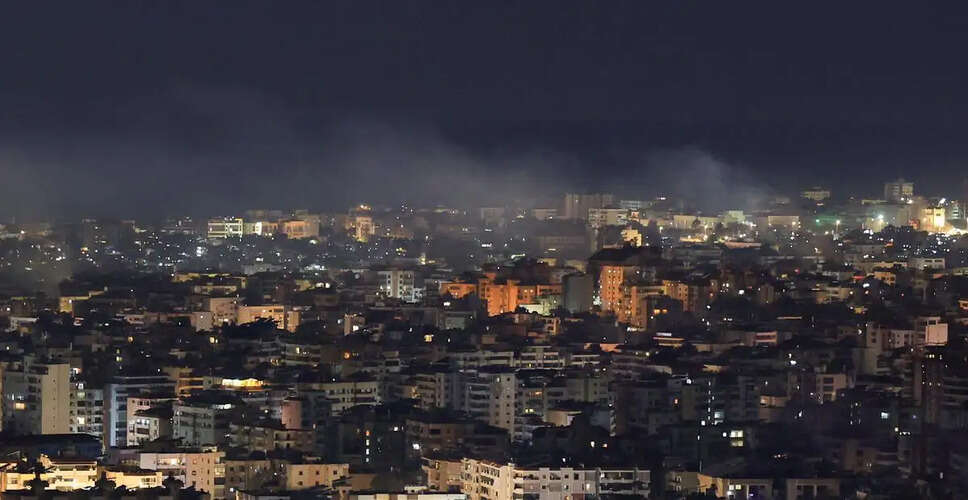
Israel's Military Response to Hezbollah
On Monday, Israel initiated a series of airstrikes on Beirut, Lebanon, in retaliation for rocket and drone attacks launched by Hezbollah, a Lebanese militant group. This escalation follows the assassination of Iranian Supreme Leader Ayatollah Ali Khamenei, which Hezbollah cited as a catalyst for their cross-border offensive.
Khamenei, who had been Iran's supreme leader since 1989, wielded significant influence over the nation's government and military. Hezbollah, known for its close ties to Iran, has vowed to respond to the recent violence.
The Israeli Defense Forces reported intercepting one projectile that crossed into Israeli territory, while others landed in uninhabited areas, causing no reported injuries or damage.
In a related development, the United States and Israel targeted Iranian ballistic missile facilities and naval assets, intensifying their military operations following Khamenei's death.
According to Iranian officials, over 200 individuals have died since the attack that killed Khamenei and other high-ranking leaders. Iran has promised retaliation, launching missiles at Israel and other Gulf nations as part of its counteroffensive.
On Sunday, the US condemned Iran's missile strikes in a joint statement with several Gulf nations, emphasizing that such actions threaten regional stability and violate the sovereignty of multiple states.
Global Reactions and Developments
Israeli Prime Minister Benjamin Netanyahu announced that military operations against Tehran would escalate with US backing, expressing a long-held desire to significantly weaken the Iranian regime. He claimed that Khamenei's elimination also resulted in the deaths of numerous other key figures within the regime.
US President Donald Trump warned that military actions against Iran would persist until all objectives were met, pledging to avenge the deaths of American soldiers killed in recent attacks.
Indian Prime Minister Narendra Modi communicated with Netanyahu regarding the escalating situation in West Asia, stressing the importance of civilian safety and calling for an end to hostilities. Modi also chaired a security meeting but did not issue a formal statement regarding Khamenei's assassination.
In the wake of the conflict, at least four individuals have died, and over 100 have been injured across several Gulf nations due to Iranian missile and drone strikes.
Reports indicate that Israeli airstrikes on a girls' school in Iran's Hormozgan province resulted in approximately 180 casualties, according to Iranian health officials.
As military tensions rise, oil prices surged, and stock markets reacted negatively, with traders anticipating disruptions in oil supply from the region. Brent crude oil prices increased by 4.5%, reaching $76.07 per barrel.
Ongoing Diplomatic Efforts
Indian officials expressed deep concern over the situation in Iran and the Gulf, urging all parties to exercise restraint and prioritize civilian safety. The Indian Ministry of External Affairs called for dialogue and diplomacy to de-escalate tensions.
Indian diplomatic missions are actively communicating with citizens in the region, advising them to remain vigilant and avoid unnecessary travel amid the ongoing conflict.
In light of the hostilities, significant portions of airspace have been declared no-fly zones, leading to the cancellation of numerous flights by global and Indian airlines.
The US has consistently pressured Iran to abandon its nuclear ambitions, warning of severe consequences if its demands are not met. Khamenei had previously cautioned that any US attack would trigger a regional conflict.
Israel has been preparing for potential military action against Iran for weeks, with tensions escalating over Tehran's nuclear program. The situation remains fluid, with both nations accusing each other of violating ceasefire agreements in the past.