
Escalating Tensions: Iran Condemns Israeli Strikes on Lebanon Amid Ceasefire
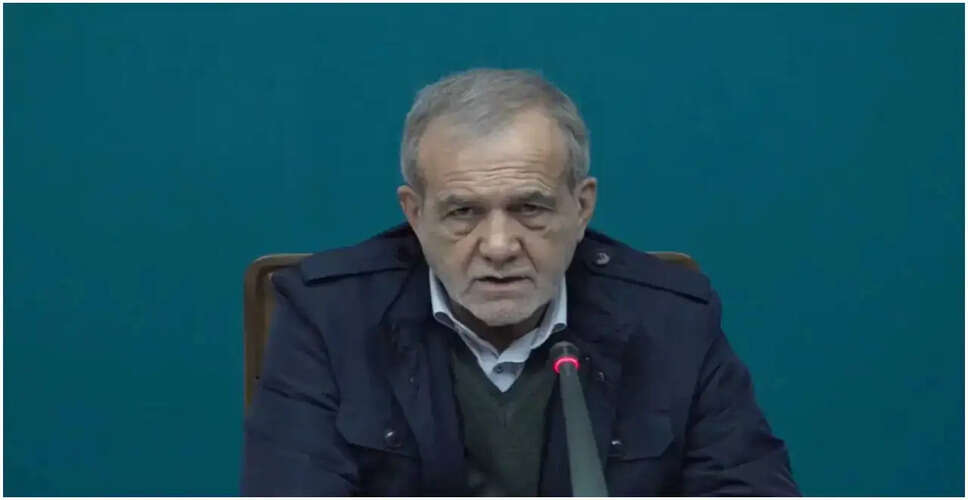

Iran's Strong Response to Israeli Military Actions
Tehran: Following a ceasefire agreement between the United States and Iran, Israel has ramped up its military operations in Lebanon. Iranian President Masoud Pezeshkian expressed his outrage on Thursday, condemning Israel's actions as detrimental to the ceasefire. In a post on X, he warned that Iran's military readiness remains intact, emphasizing their unwavering support for the Lebanese people.
President Pezeshkian stated, "The ongoing aggression by the Zionist entity against Lebanon blatantly breaches the initial ceasefire agreement and signals a dangerous lack of sincerity regarding future negotiations. Continued attacks will render any discussions futile." He reiterated that Iran will not abandon its commitment to its Lebanese allies.
drpezeshkian
2042216652629053539
These comments come amid escalating tensions following Israel's military actions against Lebanon, despite the ceasefire established between the US and Iran.
Israeli PM's Stance
Israeli Prime Minister Benjamin Netanyahu declared on Thursday that military operations against Iran-aligned Hezbollah in Lebanon would persist. He stated, "Our message is unequivocal: Any entity that threatens Israeli civilians will be targeted," as reported by various media outlets.
Earlier that day, the Israeli Defense Forces (IDF) announced the elimination of a prominent Hezbollah figure, Ali Yusuf Harshi, who was closely associated with the group's leadership. Harshi was reportedly killed in a strike in Beirut.
While Netanyahu previously supported the ceasefire, he maintained that Israel's military actions would continue.
Details on the US-Iran Ceasefire
On Tuesday, President Trump moderated his aggressive stance towards Iran, leading to a two-week ceasefire agreement that includes the reopening of the strategic Strait of Hormuz. Iran's Supreme National Security Council confirmed its acceptance of the ceasefire and plans to engage in negotiations with the US in Pakistan starting Friday.
Trump announced the ceasefire on his social media platform, stating, "Based on discussions with Prime Minister Shehbaz Sharif and Field Marshal Asim Munir of Pakistan, I have agreed to suspend military actions against Iran for two weeks, contingent upon Iran's compliance with the complete and safe reopening of the Strait of Hormuz." He emphasized that this ceasefire would be mutual.
Prime Minister Shehbaz Sharif of Pakistan has also extended an invitation to US and Iranian officials for discussions in Islamabad aimed at establishing a lasting peace agreement. He noted that all parties, including those in Lebanon, have agreed to the ceasefire, with talks set to commence on April 10.