
Escalating Tensions in the Middle East: Israel Targets Iranian Energy Infrastructure
Rising Tensions Following Israeli Strike
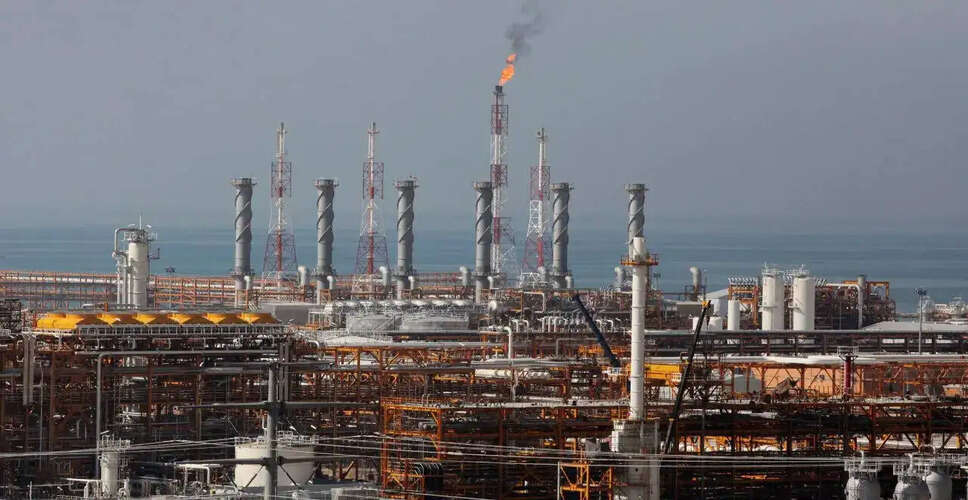
Recent developments in the Middle East have seen a significant rise in tensions after Israel launched an attack on an Iranian facility located at the South Pars gas field, which is among the largest energy reserves globally, shared by Iran and Qatar in the Gulf. This military action follows a joint operation by the US and Israel that reportedly resulted in the death of Iran's Supreme Leader Ayatollah Ali Khamenei in late February. Since then, the conflict has escalated, with both parties increasingly targeting vital energy infrastructures.
Conflicting Statements from the US
Conflicting Signals From Washington
President Donald Trump has publicly distanced the US from the strike on South Pars, asserting that the US had no prior knowledge of the operation. However, there are indications that US officials might have been informed beforehand, even if they did not participate directly. Trump also clarified that Qatar was not involved in the attack.
Impact on Energy Infrastructure
Energy Infrastructure Now in the Crosshairs
The South Pars gas field is crucial for Iran's economy, contributing approximately 70% of its gas production. Covering around 9,700 square kilometers in the Persian Gulf, it is vital for the country's energy supply. Initial assessments suggest that parts of the facility, which account for nearly 12% of its output, may have sustained damage, exacerbating Iran's ongoing energy crisis characterized by frequent gas and electricity shortages. This strike marks a significant escalation as it is the first direct assault on a major fossil fuel production site in the current conflict.
Wider Regional Implications
Escalation Across the Region
The focus on energy infrastructure is not confined to Iran alone. Just a day prior, an Iranian drone strike interrupted operations at the Shah gas field in Abu Dhabi, a facility essential for the UAE's gas supply and global fertilizer production. Iran has issued warnings about potential strikes on additional energy sites in the region, including those in Saudi Arabia, the UAE, and Qatar. Reports of explosions in Riyadh have further intensified concerns about a broader regional escalation. Qatar has condemned the South Pars strike, labeling it a 'dangerous and irresponsible' act, while the UAE has cautioned about severe risks to both regional stability and global energy security.
Market Reactions and Future Concerns
Markets React, Fears Grow
The global energy markets have already begun to react to the escalating tensions, with oil prices spiking following the news of the strike, reflecting concerns over potential supply disruptions in a critical energy corridor. Analysts warn that if key infrastructure experiences prolonged damage, recovery could take years, leading to long-term volatility in global energy markets.
Challenges in Recovery
Why Recovery May Be Slow
Restoring large-scale energy infrastructure in conflict zones is often a lengthy and complex process. Historical instances highlight this challenge; for example, after the 2003 Iraq war, it took over two years to restore oil production despite substantial financial investments. Similarly, efforts to rebuild Ukraine's power systems after repeated attacks have been hampered by logistical and equipment issues. These examples suggest that even minor damage to South Pars could have lasting repercussions.
Geopolitical Implications
Beyond Energy: A Strategic Flashpoint
The ramifications of these events extend well beyond energy supply concerns. In the Gulf region, energy infrastructure is intricately linked to political stability and economic security. Revenues from oil and gas are foundational to national economies and social systems throughout the area. Historically, the South Pars field has been a point of cooperation between Iran and Qatar, and its targeting raises alarms about the potential deterioration of already fragile regional relationships. As both sides continue their military actions, the conflict threatens to spiral further, jeopardizing not only energy markets but also broader geopolitical stability.