
Escalating Tensions in the Middle East: Implications for Global Stability
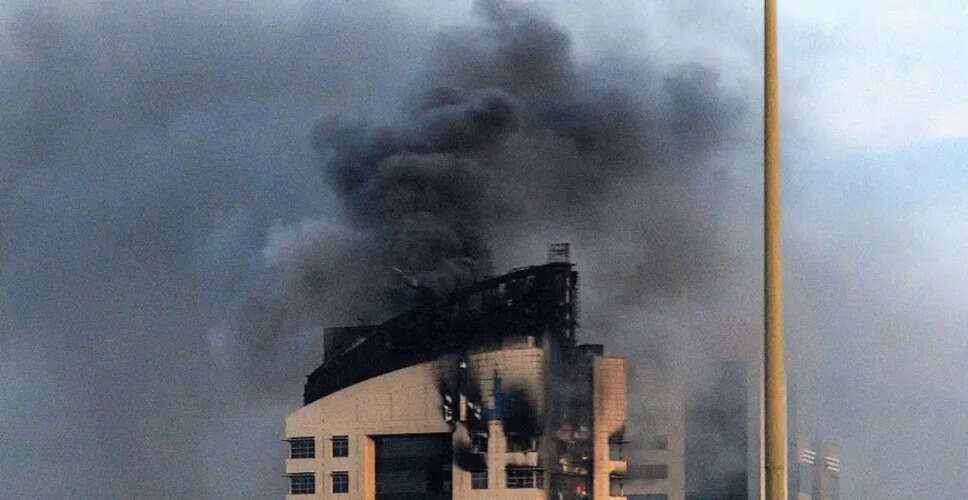

Rising Geopolitical Crisis in the Middle East
The Middle East is once again on the brink of a significant geopolitical crisis. Recent military confrontations between Iran and the United States are now visibly impacting Gulf nations. Following Iran's targeting of U.S. military bases in Kuwait, regional tensions have escalated to alarming levels. Experts suggest that this situation is not merely a bilateral issue between Iran and Kuwait but is deeply rooted in the broader U.S.-Iran conflict.
Why Kuwait Became a Target
Reports indicate that Iran has not explicitly labeled Kuwait as an enemy. Tehran claims its actions were directed at U.S. military installations and interests in Kuwait, which it views as part of ongoing military operations against it. The Iranian Revolutionary Guard (IRGC) asserts that this response was provoked by U.S. attacks on Iranian military sites, radar systems, and strategic areas.
Kuwait's Ali Al-Salem Air Base and other U.S. military facilities have long been pivotal to American military presence in the region. Iran alleges that these bases are being utilized for operations against it, thus categorizing them as legitimate military targets.
How the Dispute Escalated
Tensions intensified when the U.S. conducted airstrikes on Iranian military sites near the Strait of Hormuz. In retaliation, Iran launched a series of missile and drone attacks targeting U.S. military establishments in Kuwait, Bahrain, and Jordan. While many of these attacks were intercepted by air defense systems, reports of damage and casualties emerged from several locations.
Kuwait condemned these attacks vehemently and heightened its security measures. The country temporarily closed its airspace, affecting international flights.
Global Implications of the Conflict
1. Surge in Oil Prices
The Gulf region is one of the world's most crucial oil-producing areas. Should the conflict between Iran and the U.S. escalate or disrupt navigation through the Strait of Hormuz, global oil supply could be impacted, leading to a spike in crude oil prices in international markets.
2. Pressure on the Global Economy
Rising oil prices will increase transportation, production, and energy costs, potentially fueling inflation worldwide. Many countries may face higher expenses for fuel imports, which could slow down economic growth.
3. Impact on Air Travel and Trade
Kuwait's decision to temporarily close its airspace signals that regional conflicts could disrupt international air routes. If tensions escalate, airlines may need to alter their routes, affecting both passengers and trade.
4. Risk of Major Warfare in the Middle East
Analysts warn that if retaliatory actions continue, Bahrain, Kuwait, Jordan, and other Gulf nations could become directly involved in the conflict, increasing the risk of widespread military confrontation across the Middle East.
Potential Effects on India
India relies heavily on Gulf nations for its energy needs. Disruptions in oil supply could exert pressure on fuel prices in India. Additionally, concerns may arise regarding the safety of millions of Indians working in Gulf countries. Disruptions in air and maritime trade routes could also impact Indian businesses.
What Lies Ahead?
Currently, both the U.S. and Iran are issuing warnings to each other while diplomatic efforts continue. However, recent events have made it clear that peace in the Gulf region is precariously balanced. If both parties do not exercise restraint, this crisis could evolve into a global economic and security challenge.
The international community is closely monitoring the situation in the Middle East, as every action taken here has the potential to influence global politics, energy markets, and international security frameworks.