
Escalating Tensions: Explosions Rock Riyadh Amid Iranian Threats
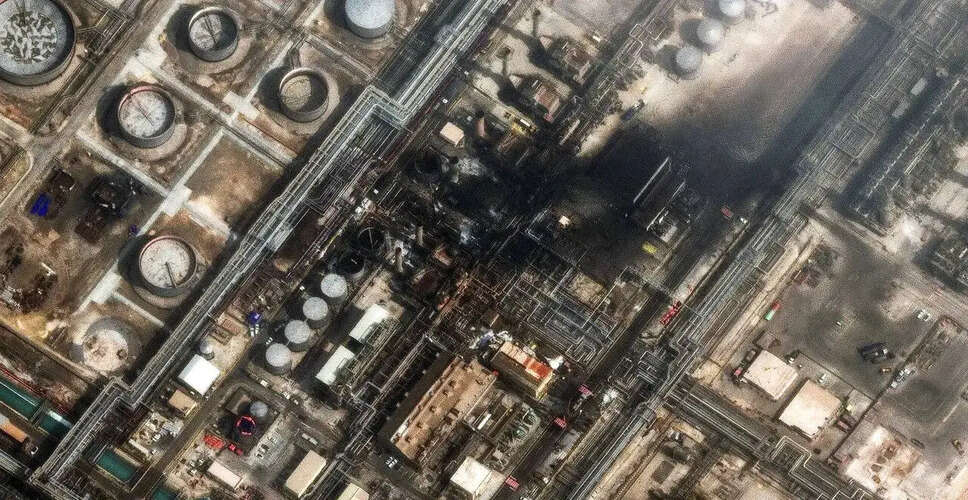
Riyadh Under Attack: A Surge in Explosions
Recent reports indicate that loud explosions have echoed across Riyadh, as tensions in the Middle East escalate. The capital of Saudi Arabia experienced multiple blasts, which officials attribute to a significant increase in Iranian attacks. Tehran has ramped up its operations against the oil-rich nation, suggesting a shift towards more persistent targeting.
On Wednesday, Iranian officials issued threats to strike oil and gas facilities in the Gulf region, citing retaliation for an Israeli attack on its South Pars gasfield. This escalation is part of the broader fallout from the ongoing conflict involving the United States and Israel against Iran.
According to a statement from Iran’s semi-official Tasnim news agency, five facilities in Saudi Arabia, the UAE, and Qatar are set to be targeted imminently. These include Saudi Arabia’s SAMREF refinery and Jubail petrochemical complex, the UAE’s Al Hosn gasfield, and Qatar’s Ras Laffan refinery along with the Mesaieed petrochemical complex.
This threat follows reports from Iranian state media about attacks on natural gas facilities linked to the South Pars field, the largest gasfield globally, located off the southern coast of Iran’s Bushehr province. Saudi officials reported that nearly 100 drones were launched towards the kingdom on Monday, marking a significant increase from the previous daily average of fewer than 25. The Saudi defense ministry characterized this as the largest single-day aerial assault since the conflict began.
The uptick in strikes reportedly started last week and has intensified, particularly targeting the Eastern Province, which is home to vital oil infrastructure. Analysts suggest that Iran is increasingly utilizing drones over missiles. While drones typically carry smaller payloads and may cause less extensive damage, they still pose a considerable threat depending on their targets. Their lower cost and ability to be deployed in large numbers complicate countermeasures for air defense systems. Although the total number of launches has decreased compared to the conflict's early days, this does not imply a reduction in Iran’s military capabilities. Despite reported strikes by the United States and Israel on Iranian military assets, Tehran is believed to maintain the capacity for ongoing assaults.