
Escalating Protests in Pakistan-Occupied Jammu and Kashmir Challenge Islamabad's Authority
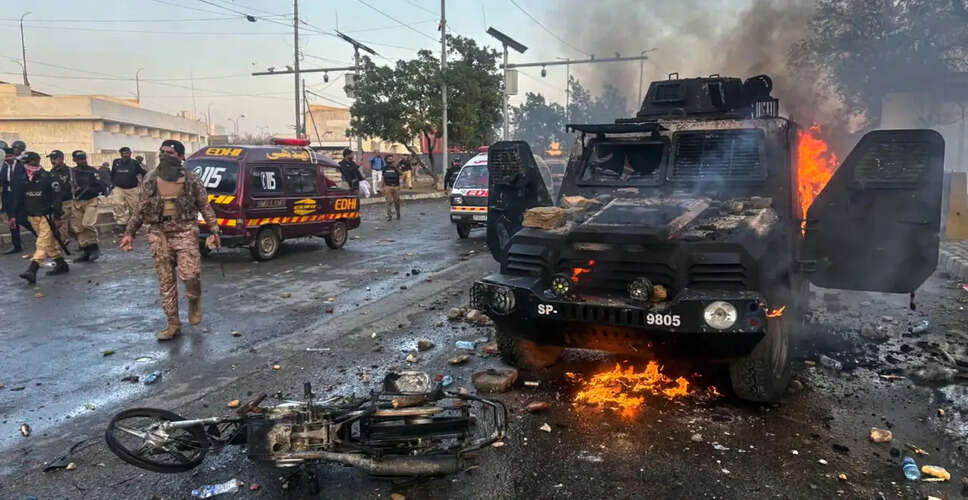

Intensifying Unrest in PoJK
Political turmoil has surged in Pakistan-occupied Jammu and Kashmir (PoJK), as thousands of demonstrators gathered in Rawalakot to openly contest Pakistan's governance over the area. Protesters have accused Islamabad of years of neglect, economic struggles, and political oppression. The movement, led by civil rights advocate Sardar Aman Khan, has spread beyond Rawalakot, with ongoing protests and sit-ins near the Line of Control (LoC), as activists maintain pressure on Pakistani officials.
A Bold Declaration
'Pakistan Needs PoJK, Not The Other Way Around'
During a significant rally at Rawalakot's Eidgah ground, Sardar Aman Khan delivered a powerful critique of Pakistan's administration in PoJK. He stated, "PoK is not a part of Pakistan. We do not need Pakistan; rather, it is Pakistan that desperately needs PoK," which resonated with the crowd, highlighting the growing discontent among locals regarding what organizers label as prolonged political and economic marginalization.
Food Shortages Ignite Protests
Food Blockade Sparks Fresh Anger
The recent protests gained traction after claims emerged that Pakistani authorities enforced a two-week blockade on essential food supplies, leading to shortages and public outrage. Protest leaders assert that these restrictions have catalyzed a larger movement advocating for political rights, economic relief, and administrative reforms.
⚠️ Pakistan's Answer: More Force, Less DialogueAs dissatisfaction has grown, so too has the security response.Authorities have reportedly resorted to:• Section 144 restrictions• Heavy deployment of security forces• Mass arrests• Internet shutdowns• Restrictions on… pic.twitter.com/FeFpa7AJZf
— OpGrid India (@OpGridIndia) June 26, 2026
For over three weeks, the protests have persisted, with demonstrators maintaining a continuous sit-in at Rawalakot, vowing to remain until their demands are met.
Protests Extend to the LoC
Protest Reaches Line Of Control
The unrest has also reached the Line of Control, where another group has been protesting since June 9. Khan cautioned that ongoing pressure from Islamabad could significantly shift public sentiment in the area. He warned that if the blockade on essential supplies continues, "the remaining borders of PoJK could open up," implying that residents might seek closer ties with India if their issues remain unresolved. This statement highlights the escalating political tensions surrounding the protests.
A Comprehensive List of Demands
38-Point Charter Of Demands
Organizers have outlined a 38-point charter of demands, addressing decades of alleged state repression, administrative neglect, inflation, and worsening living conditions. Protesters emphasize that their campaign transcends immediate economic issues, reflecting long-standing grievances regarding governance and public services in PoJK. The ongoing sit-in at Rawalakot has emerged as one of the most significant civil demonstrations in the region in recent years.
🚨| Pakistan Escalates PoJK Crackdown As JAAC Supporters Come Under Fresh Target“When a government begins punishing its own employees for supporting protests, it is often a sign that dissent has spread far beyond the streets.”Pakistan's crackdown in Pakistan-Occupied Jammu &… https://t.co/wlWkwO76ts pic.twitter.com/RIEn2OAFuo
— OpGrid India (@OpGridIndia) June 26, 2026
Protest leaders have also accused Pakistani authorities of suspending internet services in parts of PoJK since June 5, claiming this was an attempt to hinder information about the protests from reaching a global audience. Despite these reported digital restrictions, organizers assert that the movement continues to gain traction, with solidarity protests occurring outside Pakistani embassies and high commissions in various countries, although these claims remain unverified. They insist that the agitation will persist until their demands are met and the perceived Pakistani control over PoJK is dismantled.