
Escalating Nutrition Crisis in Afghanistan: UN Reports Alarming Trends
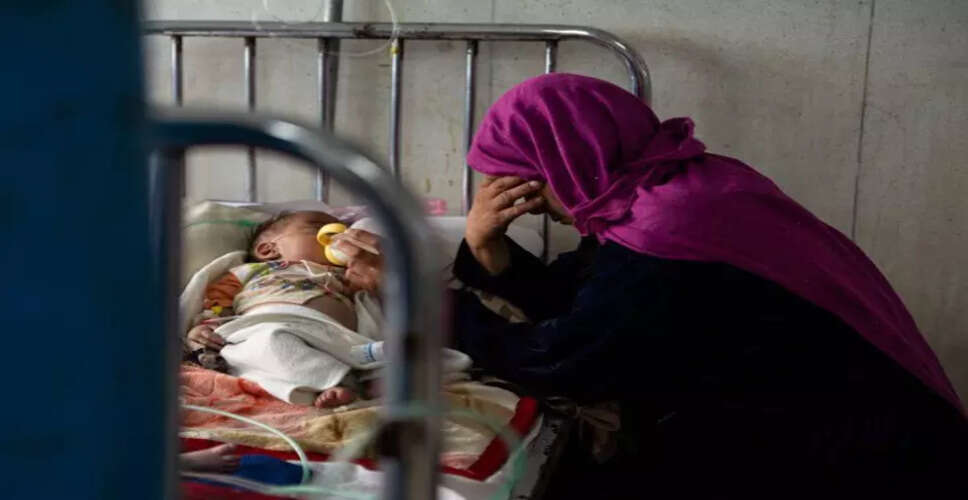

Severe Malnutrition Threatens Afghan Children
Representational Image
Kabul, June 16: The United Nations Office for the Coordination of Humanitarian Affairs (OCHA) has issued a grave warning regarding the escalating nutrition crisis in Afghanistan, as reported by local media on Tuesday.
In a statement released on Monday, OCHA projected that by 2026, approximately 3.7 million children in Afghanistan could suffer from severe malnutrition. The organization stressed the urgent need for funding to prevent loss of life and irreversible damage, according to Pajhwok Afghan News.
The OCHA report indicated a rapid decline in nutritional conditions, with worsening rates of wasting in 26 out of 34 provinces compared to 2025. This deterioration is occurring ahead of the peak wasting season, which typically spans from July to September, signaling an early and escalating crisis, as noted by Pajhwok Afghan News.
In May, the United Nations Development Programme (UNDP) highlighted that the humanitarian and economic situation in Afghanistan continued to worsen in 2025, with nearly 28 million individuals unable to meet their basic needs due to rising poverty, drought, and diminishing international support.
According to a recent UNDP report, Afghanistan's economy grew by only 1.9 percent in 2025, significantly lagging behind the 6.5 percent population growth rate, leading to a decline in real per capita income. A staggering three-quarters of the Afghan population resorted to negative coping strategies for survival, while over 80 percent of households were in debt, as reported by Khaama Press.
The report also pointed out that worsening drought conditions, the return of nearly 2.9 million Afghan migrants, and reduced global assistance have intensified the struggles of families already facing food shortages, unemployment, and limited healthcare access.
Furthermore, UNDP attributed the deteriorating economic landscape to the Taliban's restrictions on women and girls, noting that limitations on their education and employment have weakened the labor force and diminished household incomes in Afghanistan.
The report revealed that Afghanistan's trade deficit reached USD 11.3 billion in 2025, while access to clean drinking water and healthcare services continued to decline. More than 440 health centers were either closed or operating with limited services due to funding shortages, according to Khaama Press.
The agency cautioned that climate-related shocks have exacerbated the crisis, with drought affecting nearly 64 percent of Afghanistan's arable land in 2026. UN officials emphasized the necessity of ongoing investment in livelihoods, local businesses, and public services to avert further economic collapse.