
Escalating Conflict in West Asia: Iran, Israel, and the U.S. Intensify Military Operations
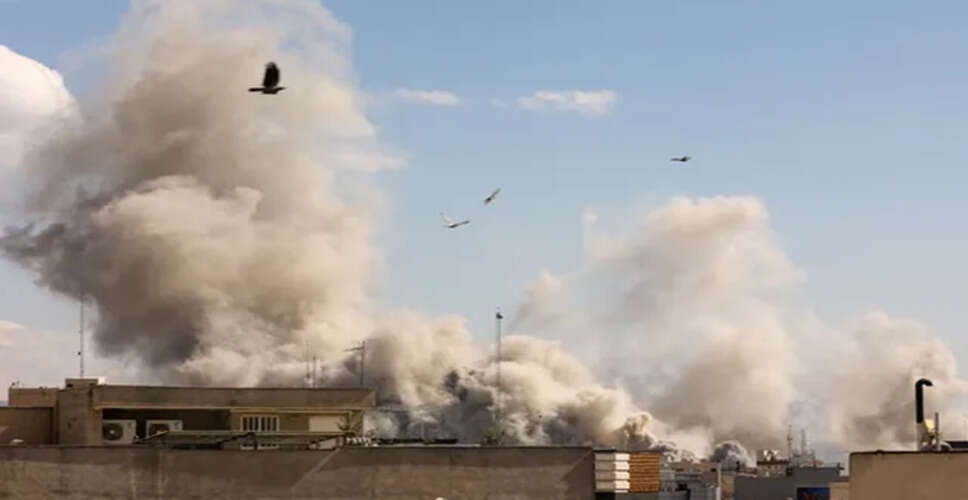
Intensifying Warfare in West Asia
New Delhi. The fierce conflict involving Iran, Israel, and the United States in West Asia has now entered the second week of March 2026, taking a perilous and expansive turn. The joint operation, dubbed Operation Epic Fury, has seen the flames of war spread to Gulf nations, posing a significant threat to global energy markets and security.
In a recent alarming development, an Iranian drone attack targeted Dubai, resulting in the death of a Pakistani national. According to the Dubai Media Office, while the drone was intercepted by air defense systems, debris from the drone struck a taxi, killing the Pakistani driver. Additionally, a high-rise building in the Dubai Marina area (23 Marina Tower) caught fire due to the drone's debris or direct impact, sending smoke and flames billowing from the upper floors. This incident temporarily disrupted operations at Dubai International Airport (DXB), leading to a temporary suspension of flights, which were later partially resumed.
Iran has escalated its attacks on Gulf nations, including the UAE, Qatar, Saudi Arabia, Kuwait, and Bahrain. Reports indicate that Iran launched hundreds of ballistic missiles and drones, most of which were intercepted by the air defense systems of the U.S., UAE, and other allied nations, although falling debris caused damage to civilian areas. Besides Dubai, several buildings, including the Israeli embassy in Abu Dhabi, sustained damage. Iran had previously assured neighboring countries that they would not be targeted, but retaliated as attacks continued.
U.S. President Donald Trump has reiterated his demand for Iran's "complete surrender," stating that Operation Epic Fury will persist until Iran's missile and nuclear capabilities are entirely dismantled. Israel has conducted new strikes on oil depots, refineries, and military sites in Tehran, while Iran has intensified rocket and drone attacks on northern Israel in collaboration with Hezbollah from Lebanon.
This ongoing war has led to skyrocketing oil prices globally, disrupted shipping in the Gulf, and displaced millions. Experts warn that if the conflict escalates further, it could engulf the entire region, potentially involving Saudi Arabia and other Gulf nations directly. The world is closely monitoring the situation, with the United Nations and several countries calling for a ceasefire, but no substantial progress has been made.