
Escalating Conflict in the Middle East: US and Israel Launch Strikes on Iran
Introduction to the Conflict
On February 28, military forces from the United States and Israel initiated a series of strikes against Iran, signaling the onset of a rapidly intensifying conflict in the Middle East. Pete Hegseth, the Secretary of Defense for the United States, indicated in a recent press briefing that the military campaign could extend for "up to eight weeks." Meanwhile, former President Donald Trump mentioned on March 2 that the administration anticipated the operation would last "four to five weeks," while also noting that the US possesses the capability to extend the operation if necessary.
Iran's Retaliation
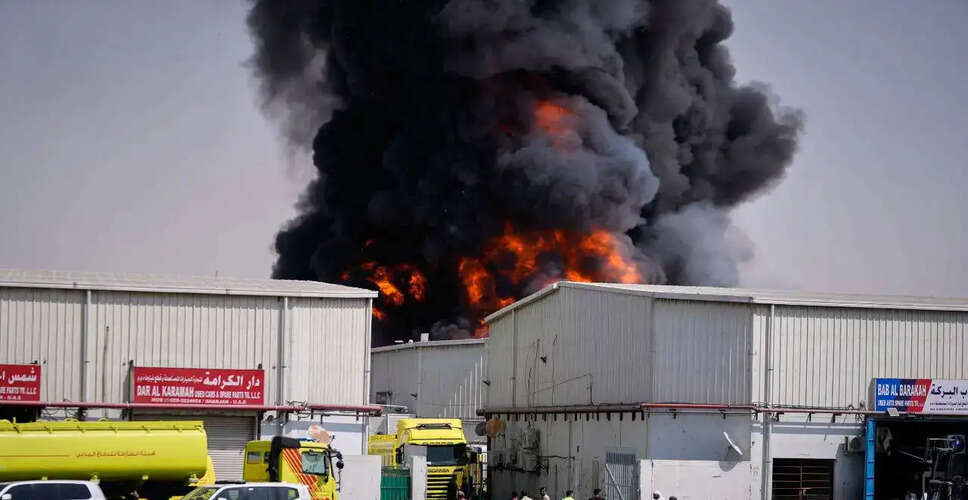
In response, Iran has launched counterattacks targeting both Israel and US diplomatic and military installations throughout the region. Numerous drones and ballistic missiles have been deployed against various sites, including US embassies and military bases. Although many of these projectiles have been intercepted, there have been reports of casualties and structural damage. Notably, luxury hotels in Dubai, US military bases, and several airports and ports have been impacted.
Regional Developments
Israel has commenced airstrikes in Lebanon following rocket and drone assaults from Hezbollah, a Lebanese armed group. The Trump administration has cited multiple reasons for the military actions, including concerns over a potential "nuclear threat" and allegations that Iran attempted to meddle in the 2020 and 2024 US presidential elections, although these claims remain unverified.
The ongoing conflict has disrupted global supply chains, particularly affecting the energy and fertilizer sectors due to damaged infrastructure. Shipping activities have also ceased along the Strait of Hormuz, a crucial maritime route for oil transport.
Iran's Apology to Neighbors
On Saturday, Iranian President Masoud Pezeshkian expressed regret to neighboring countries for the attacks conducted during the conflict. He assured that Tehran would refrain from targeting these nations "unless provoked." In a televised address, Pezeshkian stated, "I apologize to the neighboring countries that were attacked by Iran. The interim leadership council agreed yesterday that no further attacks will be made on neighboring countries unless an attack on Iran originates from those countries."
Casualties and Damage Reports
Iran
According to Iranian state media, over 1,000 individuals have lost their lives since the commencement of US and Israeli strikes. Reports indicate that several schools and hospitals have been hit, with the Israeli Air Force claiming to have deployed more than 5,000 munitions in its operations against Iran.
Israel
Iran has retaliated with attacks on Israel, resulting in at least 11 fatalities and damage to over 40 buildings in Tel Aviv as of March 4.
Azerbaijan
On March 5, Azerbaijan reported that drones from Iran crossed its borders, damaging part of an airport and injuring two civilians. President Ilham Aliyev stated that the military was instructed to prepare for retaliatory actions.
Bahrain
Missile and drone strikes have targeted locations in Bahrain, including a US naval base. A drone strike was reported near an Amazon data center, which Iranian state media claimed was targeted due to the company's support for US military efforts.
Cyprus
A drone strike on March 2 hit a British air base in Cyprus, causing minor damage without casualties. Greece, the UK, and France have provided defensive support.
Iraq
Since February 28, there have been multiple reports of Iranian strikes targeting a US military base near Erbil International Airport.
Jordan
Jordan's armed forces have intercepted numerous missiles since the conflict began, with at least one Iranian-backed militia in Iraq claiming responsibility for attacks. On March 2, the US embassy in Jordan announced that personnel had temporarily left the country.
Kuwait
Kuwait has experienced several missile and drone attacks since February 28, including an incident on March 2 where three US fighter jets were accidentally shot down by Kuwaiti air defenses during an Iranian attack.
Lebanon
Israel has conducted strikes in southern Lebanon following rocket and drone attacks from Hezbollah. Lebanon's Prime Minister later prohibited Hezbollah's military activities.
Oman
Drone strikes have targeted the commercial port of Duqm in Oman, with reports of an oil tanker being attacked near Khasab in the Strait of Hormuz.
Qatar
On March 2, QatarEnergy announced a halt in liquefied natural gas production after its facilities were struck. The company later indicated that production of other products would also cease.
Saudi Arabia
Saudi infrastructure has also been targeted, with the US embassy in Riyadh sustaining damage from an attack. Reports indicated an attempted drone strike on a major refinery operated by Saudi Aramco.
United Arab Emirates
The UAE Ministry of Defense reported intercepting hundreds of Iranian drone and missile attacks, although falling debris has caused damage in some areas, including the luxury hotel Burj Al Arab in Dubai.