
Escalating Conflict Between Pakistan and Afghan Taliban: Implications for India
Intensifying Struggle in the Region
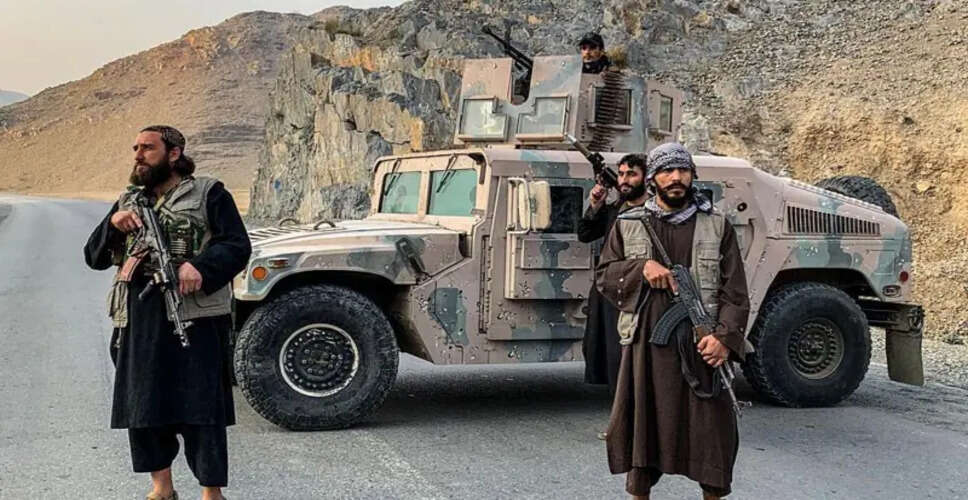
The ongoing conflict between Pakistan and the Afghan Taliban has escalated significantly in recent days. In February 2026, Pakistan declared an "open war," launching airstrikes in Kabul, Kandahar, and other regions, while the Taliban retaliated with attacks along the border. This surge in violence is primarily linked to the actions of the Tehreek-e-Taliban Pakistan (TTP), which Pakistan accuses of receiving shelter in Afghanistan.
Potential Impact on India
The ramifications of this conflict for India are mixed:
- Possible Advantages:
- With Pakistan focusing its military efforts on the western border (Afghanistan), there may be a reduction in its military presence and attention on the eastern front (Line of Control with India). This could provide India with some "breathing space," particularly in Jammu and Kashmir.
- India's increasing engagement with the Taliban (through humanitarian aid and diplomatic meetings, such as Amir Khan Muttaqi's visit to India) is causing further distress for Pakistan. Islamabad has repeatedly accused the Taliban of becoming a "proxy for India," which enhances India's regional standing.
- Potential Risks:
- If the conflict prolongs or spreads, it could lead to increased regional instability, including a refugee crisis, proliferation of arms, or activities from groups like TTP/ISIS-K reaching India.
- Pakistan is already blaming India for supporting the TTP, which could serve as a pretext for propaganda or escalation.
- India has condemned Pakistan's airstrikes (due to civilian casualties), but in the event of a full-scale war, regional security would be adversely affected.
In summary, while India may gain a strategic advantage in the short term as Pakistan is preoccupied on two fronts, long-term instability could pose challenges for India as well. The country is closely monitoring the situation and is currently refraining from direct intervention.