
Environmental Activist Calls for Wildlife Sanctuary Status in Assam
Urgent Appeal for Wildlife Protection
Digboi, Feb 28: An environmental advocate has raised alarms regarding the increasing illegal coal mining activities near Assam's eastern border. He has urged the state government to designate four vulnerable reserve forests within the Digboi forest division as wildlife sanctuaries, emphasizing the importance of protecting the ecologically delicate Tirap-Tipong forest corridor.
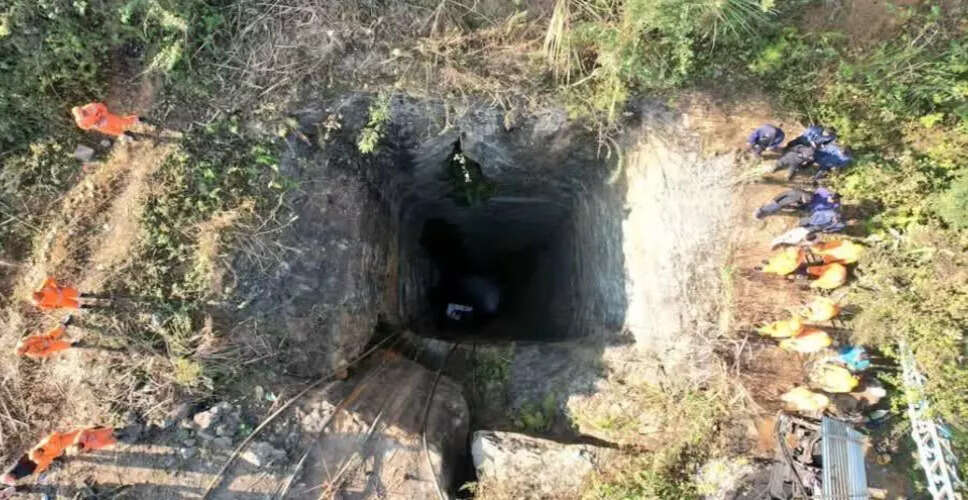
In a memorandum directed to Chief Minister Himanta Biswa Sarma via the Golaghat district commissioner, activist Apurba Ballav Goswami highlighted the ongoing rat-hole mining in the Jagun, Lekhapani, and Margherita forest ranges.
Goswami pointed out that mining in the Jagun range, part of the Doomdoma forest division in Tinsukia district, is putting pressure on forest areas adjacent to the 231.65 sq km Dehing Patkai National Park.
He suggested that the Tirap, Tipong, Saleki, and Makumpani reserve forests be elevated to wildlife sanctuary status, arguing that such a designation would offer stronger legal protections against encroachment and mining, while also promoting long-term biodiversity conservation, safeguarding elephant corridors, and protecting vital river systems in the coal-rich region.
A former forest official linked to the Digboi division has endorsed this initiative, asserting that a higher legal status would enhance enforcement and regulation in these vulnerable forest areas.
A local wildlife advocate noted that well-defined sanctuary boundaries could resolve ongoing jurisdictional issues along the Assam-Arunachal Pradesh border, especially near the shifting Leka Haka stream, thereby improving administrative clarity and oversight.
Recent national examples illustrate how the notification of protected areas can serve as a legal barrier against extractive activities. In November 2025, the Supreme Court of India mandated a ban on mining within a one-kilometer radius of all national parks and wildlife sanctuaries, while also urging the notification of the long-awaited Saranda Wildlife Sanctuary.
The state government's recent designation of the Sikhna Jwhwlao National Park along the Indo-Bhutan border has bolstered conservation efforts in this sensitive frontier area.
Currently, an official response from the state government is pending.