
Enhanced Monitoring and Digital Tracking for High-Risk Pregnant Women in Rajasthan
In a significant move to bolster maternal health services, Rajasthan's Chief Secretary has initiated enhanced monitoring and digital tracking for high-risk pregnant women. A recent meeting focused on improving referral management and ensuring safe deliveries across government hospitals. With a commitment to real-time tracking and effective communication among health workers, the state aims to provide better care for mothers and their newborns. This initiative includes the development of a dedicated digital platform and a control room for swift decision-making, ensuring that every pregnant woman's health is closely monitored. Read on to discover how these measures will transform maternal healthcare in Rajasthan.
| Jul 21, 2026, 19:12 IST

Strengthening Maternal Health Services
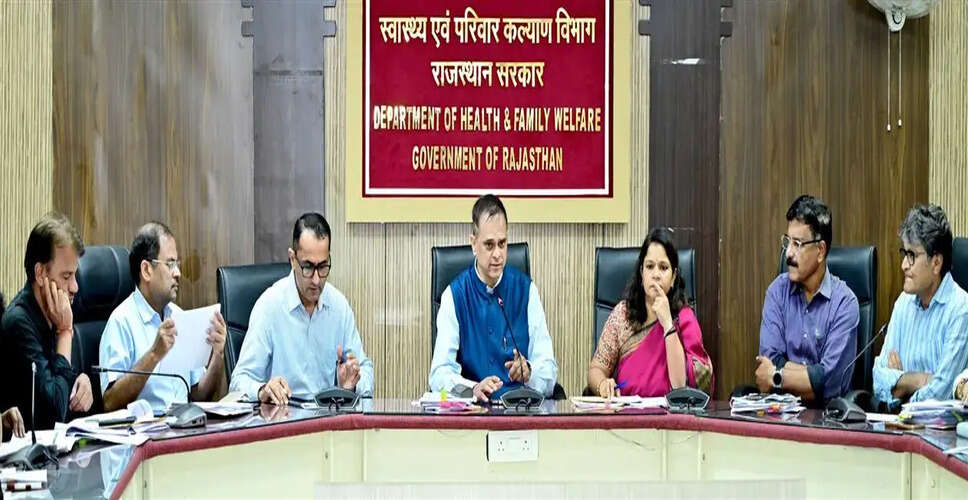
Jaipur. In an effort to enhance safe maternity services and improve the referral management of pregnant women through digital means, Chief Secretary V. Srinivasan convened a high-level review meeting at the health building on Tuesday. The meeting, conducted via video conferencing, focused on maternal health services, monitoring of high-risk pregnancies, referral management, digital tracking, and the preparedness of government hospitals for deliveries.
The Chief Secretary directly inquired about all cesarean deliveries and the status of high-risk pregnancies that occurred in various government hospitals over the past 24 hours. Officials reported that all deliveries during this period were safe. He instructed the medical and health department team, along with field health workers, to maintain continuous monitoring of all admitted mothers.
During the meeting, the Chief Secretary also communicated directly with ANMs from Jaipur, Churu, and Jhunjhunu districts. He emphasized the importance of regular follow-ups for high-risk pregnancies, monitoring expected delivery dates, timely medical consultations, and ensuring quick referrals when necessary.
He reviewed the functionality of the 'Setu Digital Emergency Healthcare Software' developed by RNT Medical College and directed the health department to collaborate with the IT department to create a similar integrated digital platform. This system should be made available to ANMs, community health officers, and other field health workers to enhance real-time tracking and referral management for pregnant women.
The Chief Secretary also assessed the availability of medicines and medical equipment in hospitals through the Rajasthan Medical Services Corporation Limited (RMSCL) and reviewed inventory management. He instructed the preparation of standardized protocols for microbiology services and the issuance of Records of Procedure (ROP) to ensure quality and uniform services across all institutions.
He stressed the establishment of a dedicated control room at the state level for the rapid monitoring of information related to safe maternity services and delivery cases. This would allow for continuous oversight of each mother's condition and facilitate quick decision-making when necessary.
Principal Secretary of Health and Medical Services, Mrs. Gayatri Rathore, instructed officials to implement this system promptly. She emphasized the need for daily reviews via video conferencing from the state to the field level and the regular collection, analysis, and monitoring of health data related to every pregnant woman and mother.
Present at the meeting were Mission Director NHM Dr. Jogaram, Commissioner of Medical Education Mr. Babulal Goyal, Managing Director RMSCL Mr. Pukhraj Sain, Principal of SMS Medical College Dr. Deepak Maheshwari, Director of Public Health Dr. Ravi Prakash Sharma, Additional Mission Director NHM Dr. T. Shubhamangala, Director RCH Dr. Madhu Ratewar, along with senior officials, principals of all medical colleges, specialists, divisional joint directors, CMHOs, PMOs, BCMOs, and other relevant officials.