
Enforcement Directorate Appeals Against Kejriwal's Acquittal in Liquor Policy Case
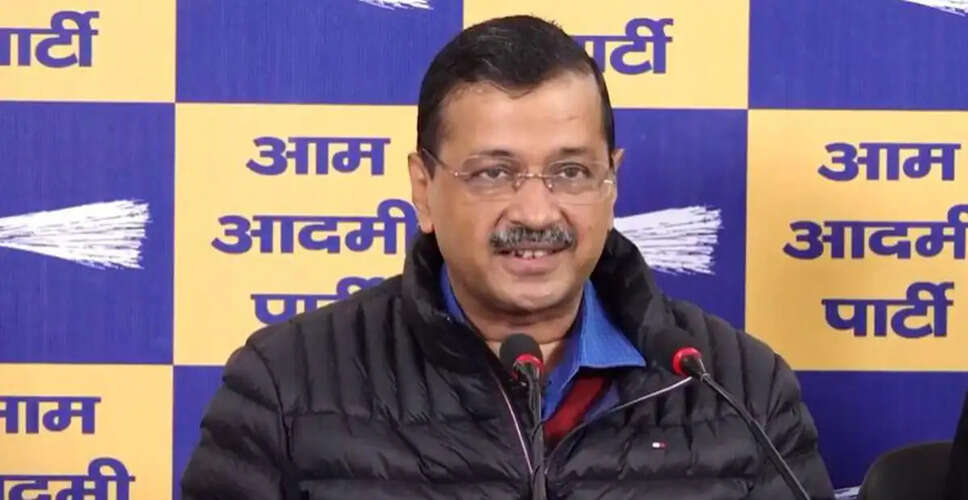
ED Challenges Acquittal of Arvind Kejriwal
On Monday, the Enforcement Directorate (ED) filed an appeal in the Delhi High Court contesting the acquittal of Arvind Kejriwal, the leader of the Aam Aadmi Party, in two cases related to his failure to comply with summonses in the liquor policy investigation.
The case will be heard by Justice Swarana Kanta Sharma on Wednesday.
A trial court had previously acquitted Kejriwal on January 22, ruling that the ED did not sufficiently demonstrate that he had intentionally disregarded the summonses issued to him.
Kejriwal was arrested by the ED in March 2024 after being summoned nine times regarding alleged misconduct in the now-repealed liquor excise policy of the Delhi government.
He did not respond to any of the nine summonses issued by the agency.
In July 2024, the Supreme Court granted him interim bail in this case, but he remained incarcerated due to an earlier arrest by the Central Bureau of Investigation (CBI) in June 2024. He was ultimately released in September 2024 after receiving bail from the Supreme Court in a separate matter.
In February, the ED informed the High Court of its intention to appeal against Kejriwal's acquittal concerning his non-appearance before the agency.
Overview of the Liquor Policy Case
The CBI has alleged that there were irregularities in the Delhi government's liquor excise policy, which was implemented in November 2021 and withdrawn in July 2022. The lieutenant governor at that time, Vinai Kumar Saxena, called for an investigation into the alleged misconduct.
Both the CBI and ED have claimed that the Aam Aadmi Party government altered the liquor policy to increase the commission for wholesalers from 5% to 12%, which allegedly allowed for bribes from wholesalers with significant market influence.
The Aam Aadmi Party has denied these allegations.
On February 27, a Delhi court discharged Kejriwal and 22 others accused by the CBI in the liquor policy case, stating there was no evidence of a conspiracy or criminal intent behind the excise policy.
Among those discharged were former Deputy Chief Minister Manisha Sisodia and K Kavitha, a leader of the Bharat Rashtra Samithi.
The court criticized the central agency for implicating Kejriwal without substantial evidence, noting that the chargesheet contained numerous gaps lacking witness support.
The bench indicated it would recommend a departmental inquiry against CBI officials involved in the case.
However, on March 9, the High Court stayed the trial court's negative remarks regarding the CBI.
A pending petition by the CBI against the discharge is currently awaiting resolution in the High Court.