
End of Iran-US-Israel Conflict in Sight as Trump Claims Nuclear Agreement
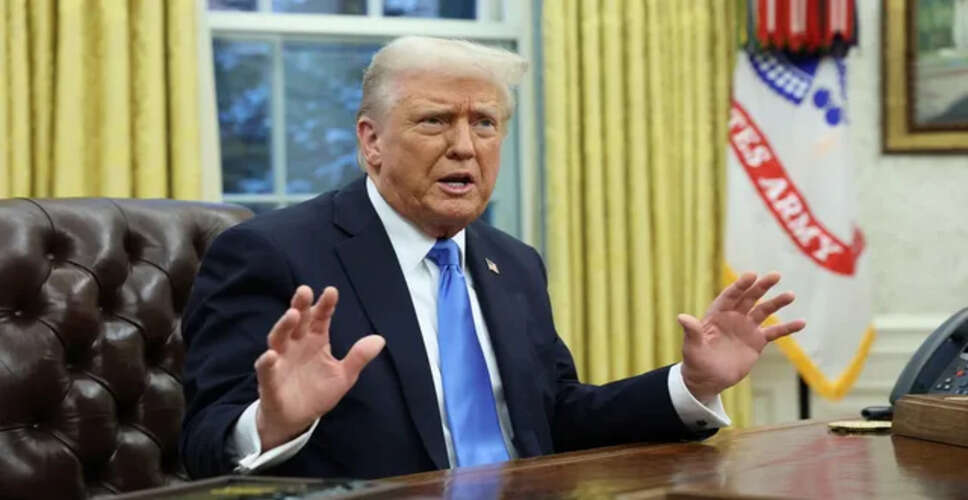
Conflict Resolution on the Horizon
The intense conflict involving Iran, the United States, and Israel, which has persisted since late February, appears to be nearing a resolution. On Tuesday, President Donald Trump made a significant announcement, stating that Iran has agreed to refrain from developing nuclear weapons. Trump emphasized, "They will never possess nuclear arms. This is priority number one, two, and three. They have shown agreement on this matter."
Key Points from Trump's Announcement
During a press interaction in Florida, Trump asserted that substantial agreements have been reached in discussions between the U.S. and Iran. He mentioned that Iran is prepared to completely abandon its nuclear weapons program, halt uranium enrichment, and is in talks about transferring its existing enriched uranium stock to the U.S. or the IAEA. Trump stated, "We have won this war. Only fake news wants to keep it going."
Details of Trump's Claims
- Iran will never create or possess nuclear weapons.
- No uranium enrichment will occur on Iranian soil.
- Iran must remove its stock of 60% enriched uranium (approximately 440 kilograms).
- The Strait of Hormuz will be fully opened to facilitate normal oil transport.
- Iran will cease support for its proxy groups (such as Hezbollah and Hamas).
Trump revealed that the U.S. has sent Iran a 15-point plan encompassing these conditions. He also mentioned that attacks on Iran's energy infrastructure have been postponed for five days to allow for further negotiations. According to Trump, Iran is eager to reach a deal and is "very much interested in negotiating."
Iran's Response
Iran has dismissed these claims as "fake news." Officials in Tehran have clarified that there are no direct negotiations with the U.S. and no agreements have been made. They assert that Trump's statements are merely attempts to exert pressure. Meanwhile, Iran continues to launch missiles at Israeli and U.S. targets, while joint attacks by the U.S. and Israel persist.
Background of the Conflict
- In February 2026, Israel initiated attacks on Iran's nuclear and missile facilities.
- The U.S. joined in with extensive airstrikes, resulting in the deaths of several Iranian military leaders and scientists.
- In retaliation, Iran targeted Israel with missiles and attempted to block the Strait of Hormuz, causing global oil prices to soar.
- Both sides have suffered hundreds of casualties, severely impacting Iran's economy.
Will the War Truly End?
Analysts suggest that while Trump's optimistic tone is encouraging, Iran's dismissive stance indicates that the path ahead remains challenging. If an agreement on the 15-point plan is reached, it could alleviate long-standing tensions in the Middle East. However, should negotiations fail, the U.S. has already threatened to "destroy power plants."
Trump stated, "If a deal isn't reached, we will continue bombing with full force." Nevertheless, he expressed hope that "peace will come very soon," and that Israel will also be pleased with the outcome.
Current Situation
Discussions are ongoing, but attacks continue from both sides. In the coming days, it will become clear whether Trump's assertions will materialize or remain a diplomatic pressure tactic.
Live Update: Oil prices have dropped by up to 6% as the market anticipates a deal. Israeli Prime Minister Netanyahu has also expressed support for Trump's efforts.