
Empowering Women Entrepreneurs: Assam's Thriving Startup Ecosystem

Overview of Assam's Startup Landscape
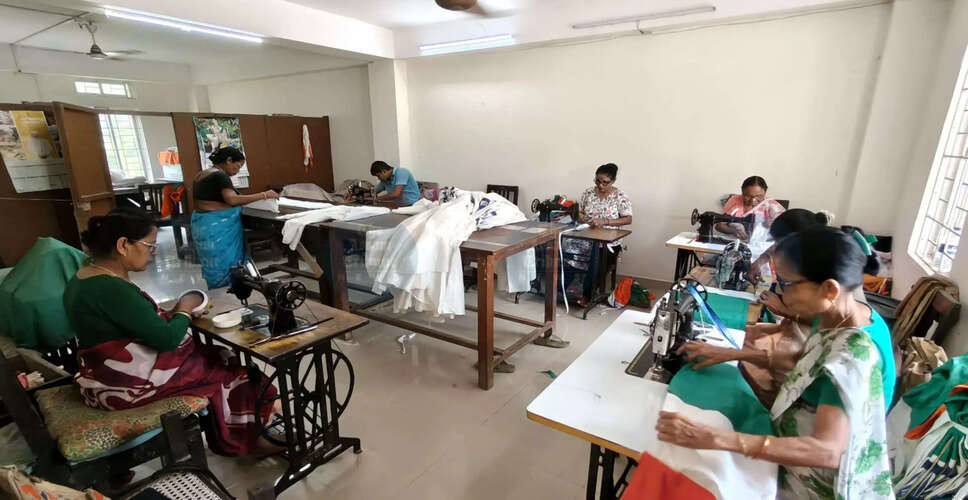
A significant aspect of Assam's entrepreneurial scene is the active involvement of women, with 52.6% of surveyed startups being founded by women.
Guwahati, Sept 24: Assam's startup ecosystem is witnessing robust entrepreneurial engagement across various sectors, with female founders constituting over half of the surveyed startups.
The Assam Startup Ecosystem Report, published by IIM Calcutta Innovation Park (IIMCIP), indicates that the next significant opportunity lies in assisting more businesses to develop sustainable and scalable models.
This report is based on primary research involving 116 startups throughout Assam, analyzing the state's evolving startup environment, the maturity of its ventures, and the challenges and opportunities entrepreneurs face, along with the necessary interventions to enhance the ecosystem.
The surveyed startups span a wide array of sectors, including agriculture, IT, handloom, manufacturing, healthcare, education, tourism, and real estate. A remarkable aspect of this entrepreneurial landscape is the substantial involvement of women, with 52.6% of the startups having female founders. The report also highlights ventures at various developmental stages, showcasing the diversity of entrepreneurial activities in the state.
One of the critical issues identified is access to institutional capital. Approximately 67.9% of the startups reported a significant lack of institutional funding as a systemic challenge, emphasizing the need to expand funding avenues and enhance connections between startups and capital sources.
On an individual level, 60.3% of entrepreneurs mentioned insufficient business knowledge, while 58.6% pointed out limited awareness of the startup ecosystem, and 43.1% cited a lack of technological expertise.
The report suggests addressing these challenges through entrepreneurship education, enhanced mentorship and professional service networks, collaboration between industry and academia, B2B networking opportunities, improved technology infrastructure, and stronger market linkages for emerging ventures.
As startups continue to emerge across various sectors and an increasing number seek opportunities beyond the state, a more interconnected ecosystem can bolster Assam's reputation as a hub for entrepreneurship, innovation, and enterprise-led growth, according to Ajay Jain, Chairman of the IIM Calcutta Innovation Park Board.
To implement these findings, the report advocates for stronger investor networks, alternative funding options, sector-specific support, deeper collaboration between industry and academia, specialized R&D infrastructure, and enhanced market connections. It also emphasizes the importance of entrepreneurship education and professional business support to empower emerging founders.
Building on these recommendations, IIMCIP has outlined a four-stage strategy encompassing Outreach & Hunt, Pre-Incubation, Incubation, and Acceleration. This approach aims to provide tailored support at various stages of the entrepreneurial journey, from opportunity identification and validation to venture building, strengthening, and scaling.