
Empowering Farmers Through Medicinal Plant Cultivation: Insights from the Ministry of Ayush
Medicinal Plants: A Path to Farmer Empowerment
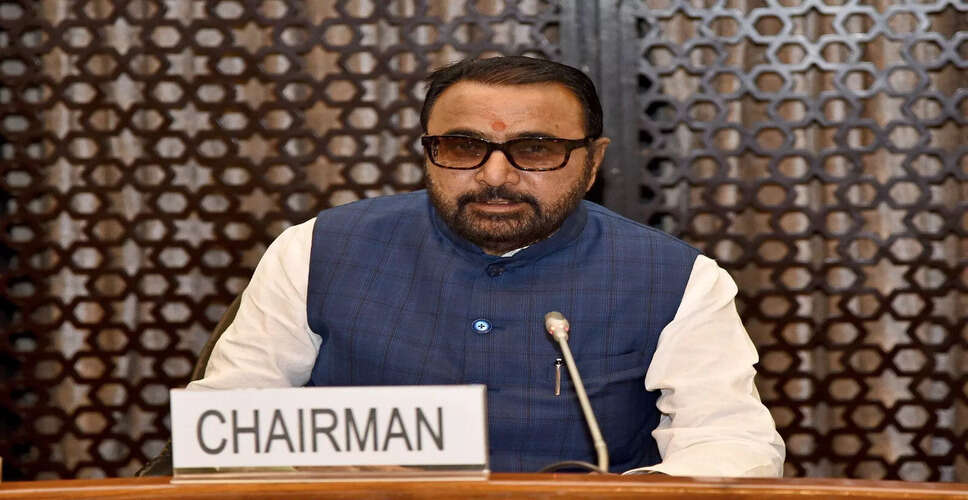
New Delhi, Dec 16: Cultivating medicinal plants can significantly empower farmers while enhancing the production of high-quality medicines, stated Prataprao Jadhav, the Union Minister of State (Independent Charge) for the Ministry of Ayush.
During the second meeting of the Parliamentary Consultative Committee for the Ministry of Ayush, Jadhav highlighted the essential role that medicinal plant cultivation plays in empowering farmers, bolstering the AYUSH sector, and preserving biodiversity.
He noted that under Prime Minister Narendra Modi's leadership, the government is actively working to incorporate AYUSH systems into the national healthcare framework, emphasizing the promotion of healthy lifestyles and the establishment of a sustainable health system.
The Minister pointed out that the strength of traditional medicine systems relies on the availability of high-quality medicines, which is contingent upon a sustainable supply of quality raw materials sourced from medicinal plants.
He emphasized that ensuring quality from the source leads to improved and quicker health outcomes.
Jadhav also discussed the initiatives undertaken by the National Medicinal Plants Board (NMPB), revealing that for the past 25 years, the NMPB has been executing the Central Sector Scheme focused on the 'Conservation, Development, and Sustainable Management of Medicinal Plants' nationwide.
There has been a strong focus on Information, Education, and Communication (IEC) activities aimed at raising awareness and building capacity among farmers.
From 2020-21 to 2024-25, approximately Rs 1161.96 lakh has been allocated through 139 projects dedicated to training and raising awareness among farmers, with seven regional-cum-facilitation centers offering technical support throughout the country.
He also introduced the 'e-Charak' digital platform, which has enhanced market connections by linking farmers directly with buyers.
Jadhav noted the global surge in millet cultivation (Shri Anna), spurred by the UN's declaration of 2023 as the International Year of Millets, which has positively impacted farmers' income.
The Minister acknowledged the crucial role of Krishi Vidyapeeths and Krishi Vigyan Kendras (KVKs) in empowering farmers.
He proposed that these institutions could be utilized to promote awareness and encourage the cultivation and utilization of medicinal plants among farmers, thereby improving livelihood opportunities and increasing rural incomes.