
Emerging Threat: MANPADs Challenge US Air Superiority
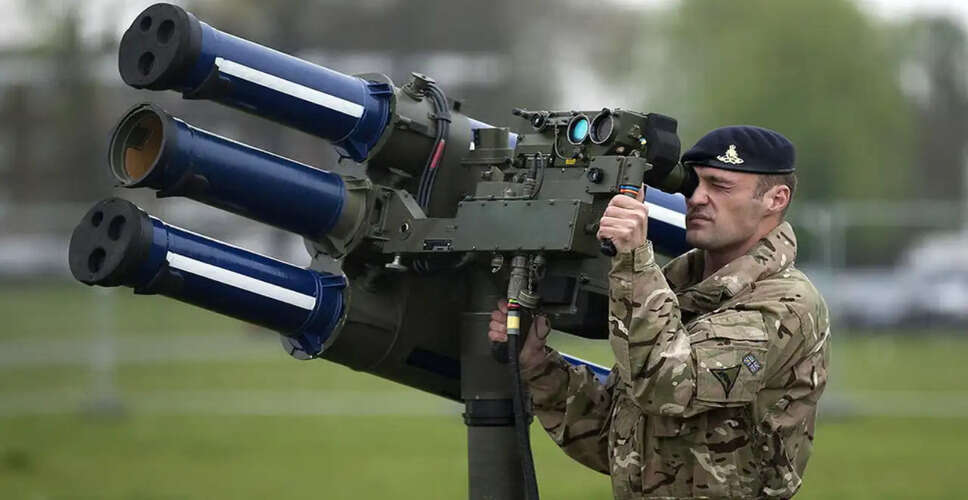

The Rising Danger of MANPADs
A new type of weapon, known as Man-Portable Air Defence Systems (MANPADs), is posing a significant risk to the advanced air capabilities of the United States, particularly in the context of operations over Iran. These shoulder-fired missiles, typically operated by a single individual, could hinder US air missions, especially at lower altitudes where even the most sophisticated jets are at their most vulnerable. Recently, the US lost aircraft, including an F-15E and an A-10, in Iran, with suspicions that MANPADs were responsible for these losses. Even jets with robust defenses can be caught off guard when flying at altitudes where MANPADs are most effective.
Despite their limited range, MANPADs serve as a crucial last line of defense against aerial threats, often used alongside gun systems designed to neutralize attacking aircraft through a barrage of fire. These missiles can reach speeds of up to twice the speed of sound and can target aircraft at altitudes of around 15,000 feet (approximately 4.57 kilometers) within a range of 3.2 miles (5 kilometers). The cost of these systems typically ranges from $50,000 to over $150,000, making them capable of downing multi-million dollar aircraft.
A report from the US Department of State highlights the dangers posed by MANPADs, particularly in the hands of terrorists or non-state actors, which could threaten commercial aviation and military operations globally. Recent intelligence indicates that Iran may soon acquire over 1,000 MANPADs from China, potentially through third-party channels to evade US scrutiny.
Understanding MANPADs
MANPADs are surface-to-air missiles designed for individual use or by small teams. They typically consist of a missile housed in a tube, a launching mechanism known as a 'gripstock,' and a battery. The tubes protect the missile until launch and are disposable. Basic sights are attached to the tube, and a single-use battery powers the missile before it is fired.
The launch tubes generally measure between 4 to 6.5 feet (1.2 to 2 meters) in length and have a diameter of about 3 inches (72 millimeters). The total weight, including the launcher, ranges from approximately 28 to 55 pounds (13 to 25 kilograms), making them portable and easy to hide. Many widely distributed MANPADs can fit conveniently into a car trunk.
Over 20 nations have either produced or hold licenses to manufacture MANPADs or their components, including countries like Bulgaria, China, Egypt, France, Germany, and the United States. The US government prioritizes preventing these systems from falling into the wrong hands, as it is estimated that more than 1 million MANPADs have been produced globally since their inception in 1967.