
Electric Vehicle Market in India: Trends and Insights
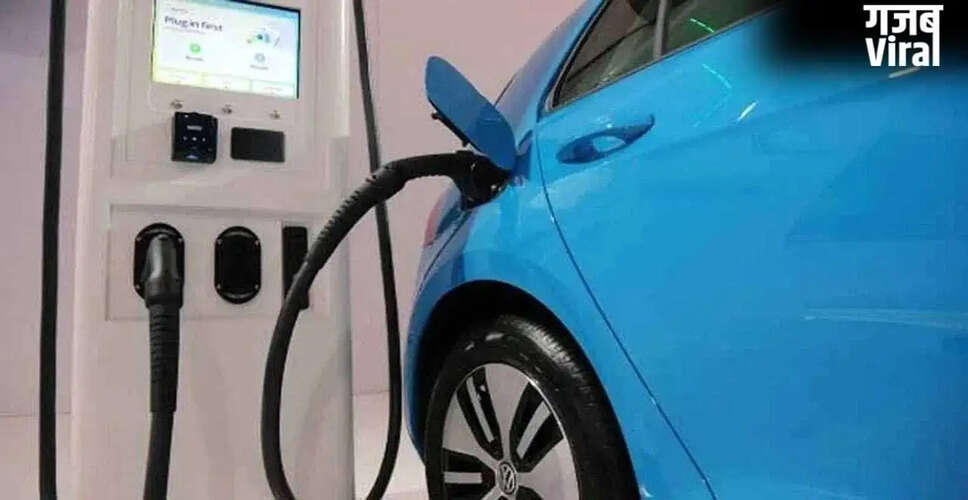

Changing Dynamics in Electric Vehicle Purchases
Indian consumers have traditionally focused on price and utility when purchasing electric vehicles (EVs). However, recent trends indicate a shift in this behavior. As state policies begin to influence pricing, the profiles of buyers are diversifying across various regions. For instance, a young professional in Bengaluru visited a car dealership intending to buy a hybrid vehicle.
Initially, he considered it a safer option. However, upon learning the final on-road price from the salesperson, he reconsidered his choice. Karnataka's electric mobility policy significantly reduced the initial cost through exemptions on road tax and lower registration fees. When factoring in the reduced running costs, his decision shifted entirely.
He ultimately drove away with an electric Mahindra XEV 9e. This last-minute change in intent is propelling the trend of electric vehicles forward, highlighting why states like Maharashtra, Uttar Pradesh, Karnataka, Tamil Nadu, West Bengal, and Madhya Pradesh are emerging as key hubs for EV development. In the fiscal year 2026, India's EV market has shown consistent growth.
Policy Support and Growing Awareness
Industry estimates suggest that the EV market saw sales of approximately 25.27 million units across all segments. However, the pace of EV adoption varies significantly by region, with only a few states contributing the majority of sales. Uttar Pradesh leads in total sales, with around 600,000 EVs sold in the fiscal year 2026, primarily consisting of electric three-wheelers. The main driver for EV adoption here is the economic benefits. For drivers, EVs represent not just environmental protection but also a means to enhance their daily earnings through lower fuel and maintenance costs.
Sales Trends in Mumbai and Bengaluru
Maharashtra recorded sales of about 400,000 EVs, reflecting a more diversified market. Policy support, including purchase incentives, benefits for scrapping old vehicles, and initial investments in charging infrastructure, has facilitated the adoption of EVs in both private and commercial segments. The demand for electric passenger vehicles is rapidly increasing in cities like Mumbai and Pune, alongside a significant surge in two-wheeler sales. Bengaluru has emerged as a major urban market, where customers are increasingly focused on the total cost of ownership. Tax exemptions, expedited registration processes, and improved charging infrastructure are continuously aiding EV adoption.
Rising Sales in Tamil Nadu and West Bengal
In Tamil Nadu, approximately 152,000 EVs have been sold. The state benefits from a dual role as both a major manufacturing hub for EVs and a significant consumer market. This duality fosters simultaneous growth in both demand and supply. In West Bengal and Madhya Pradesh, where sales are estimated at around 115,000 units per state, the affordability of EVs plays a crucial role in driving demand. Incentives for two- and three-wheelers are attracting first-time buyers and small businesses, establishing EVs as income-generating assets.
Key Factors Driving Sales Growth
What connects these markets is not just policy ambition but also effective implementation. According to Sai Giridhar, Vice President of the Federation of Automobile Dealers Associations, consumers respond positively when incentives are clear and predictable, reducing hesitation during the purchasing process. Industry insiders suggest that this shift is not solely due to policies. Kaustubh Dhonde, Founder and CEO of AutoNxt Automation, noted that the acceleration in EV adoption in these states is also driven by a clear economic shift away from internal combustion engine vehicles, alongside the incentives.