
Election Commission Plans to Boost Voter Engagement Ahead of 2026 Assembly Elections
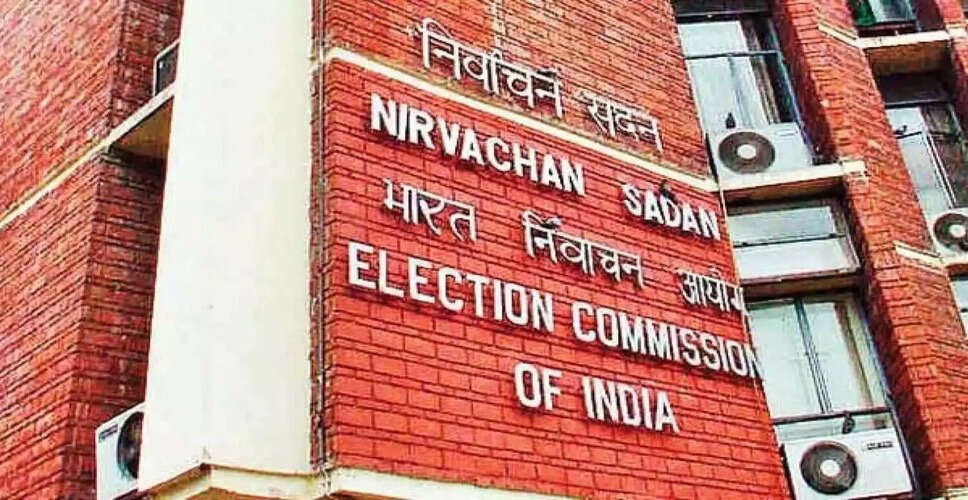
Enhancing Voter Participation in Assam
Guwahati, June 20: The Election Commission of India (ECI) is gearing up for the upcoming Assembly elections in Assam, scheduled for March-April 2026. The commission aims to enhance voter turnout and combat voter apathy, particularly in urban regions.
During a recent meeting with journalists, ECI assistant director Apurva Kumar emphasized the importance of Systematic Voters’ Education and Electoral Participation (SVEEP) campaigns, which will focus on urban areas to mitigate the issue of voter disengagement.
Kumar noted, "Voter apathy poses a significant challenge in India, especially in cities. Historical data indicates that while Assam has generally seen good turnout rates, certain areas still experience low voter engagement. Therefore, we will implement targeted campaigns leading up to the 2026 elections to address this concern."
To foster awareness about electoral processes and boost voter turnout, local influencers will be engaged in both urban and rural settings.
In a significant change, the ECI has decided to lower the maximum number of voters per polling station from 1,500 to 1,200, which is expected to result in an increase of approximately 3,000 to 3,500 polling stations in Assam by election time.
Currently, Assam has 29,565 polling stations.
Kumar also mentioned that the ECI has introduced 23 new initiatives nationwide aimed at enhancing transparency in the electoral process and improving voter participation.
"Voters will have mobile phone deposit facilities at all polling stations. For the first time in nearly two decades, Special Summary Revisions will be conducted ahead of bye-elections. The maximum number of voters per polling station will be capped at 1,200, and additional booths will be established in high-rise buildings and residential colonies to facilitate voters. We will also directly obtain death registration data from the RGI database for electoral roll updates, ensuring accuracy after verification. Voter Information Slips will be redesigned for better clarity, prominently displaying the serial and part numbers," Kumar explained.
Additionally, the ECI has relaxed the distance regulations for canvassing to 100 meters from polling station entrances to assist political parties.
"Nationwide all-party meetings have been held at various levels, including chief electoral officer (CEO), district electoral officer (DEO), and electoral registration officer (ERO) levels. A total of 4,719 meetings have taken place, with over 28,000 political party representatives participating. Capacity-building programs for booth-level agents of political parties have been conducted at IIIDEM in New Delhi, and similar initiatives will soon be organized for Assam's political agents. The ECI has also launched a new integrated dashboard, ECINET, to streamline services for all stakeholders. The issue of duplicate EPIC numbers has been resolved swiftly, and a new system for Unique EPIC numbers has been established," he added.
"We have identified 28 stakeholders involved in the electoral roll preparation and election conduct, including voters, election officials, political parties, and candidates, in accordance with the Representation of the People Act, 1951, and related regulations. Training presentations are being developed for each stakeholder based on the relevant acts and guidelines from the ECI," Kumar concluded.