
Election Commission Defends Integrity Amid Concerns Over Voter List Revisions
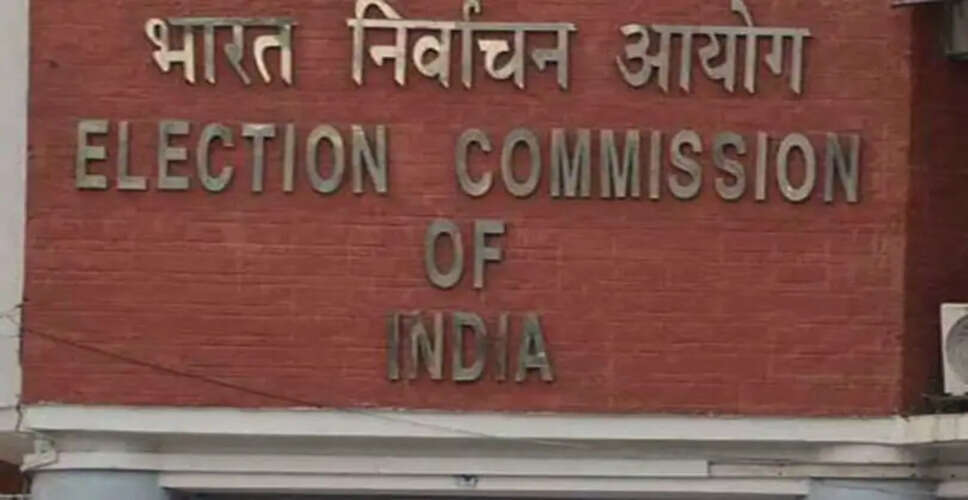

Election Commission Clarifies Its Position
New Delhi: On Wednesday, the Election Commission emphasized that all its official orders, decisions, and administrative directives are backed by full legal authority. It acknowledged that differing opinions and observations are a typical aspect of discussions within any organization.
This statement came in response to a report by The Indian Express highlighting concerns raised by Election Commissioners Sukhbir Singh Sandhu and Vivek Joshi regarding issues such as the removal of names during the nationwide Special Intensive Revision (SIR) of the voter list. The Commission clarified that the suggestions made by the Commissioners were intended to enhance the electoral process.
The Election Commission reiterated its unwavering commitment to fulfilling its constitutional responsibilities with utmost integrity, recognizing its crucial role in promoting democracy in India.
According to the Commission, "All official orders, decisions, and administrative directions issued by the Commission carry full legal sanctions and adhere to established statutory procedures as outlined in The Chief Election Commissioner and Other Election Commissioners (Appointment, Conditions of Service and Term of Office) Act, 2023."
It further stated, "Any operational queries or feedback from Commission members during the drafting phase are standard administrative practices aimed at protecting voter rights. The suggestions provided by the Commissioners were aimed at further refining the electoral processes."
The Commission added, "Differing views and observations are a normal part of deliberation in any institution and are integral to the decision-making process prior to reaching a final conclusion. Every officer within the Commission, not just the three Commissioners, is fully empowered to offer suggestions for enhancing the electoral system."