
El Niño Health Risks: WHO Issues Alert for India
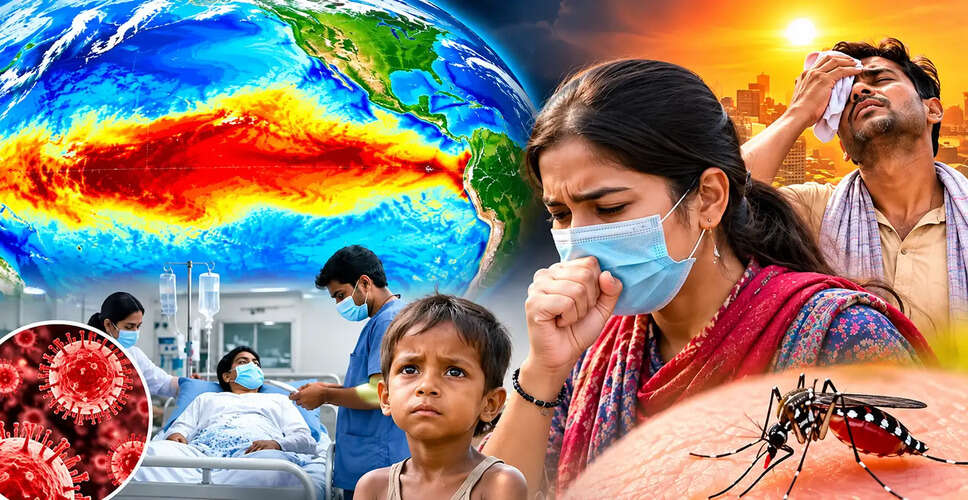

El Niño Health Alert
Concerns regarding El Niño have escalated in India. The World Health Organization (WHO) has advised countries worldwide to remain vigilant due to health risks associated with El Niño. According to a report from September 2026, India is identified as one of the nations facing significant public health threats.
Changes in weather patterns, rising temperatures, drought, and unusual rainfall can severely impact public health.
The WHO emphasizes that El Niño does not directly cause diseases but creates conditions conducive to the spread of infections through environmental changes.
Health Risks Associated with El Niño
1. Dengue and Malaria: Variations in temperature and rainfall can alter conditions for mosquito breeding. Stagnant water in containers around homes can also facilitate mosquito reproduction, increasing the risk of diseases like dengue and malaria.
2. Cholera and Typhoid: Water scarcity, flooding, and poor sanitation can lead to contaminated drinking water, raising the risk of cholera, typhoid, and diarrhea.
3. Heat Stroke and Dehydration: El Niño may cause higher than normal temperatures in several regions, leading to dehydration, heat exhaustion, and heat stroke.
4. Respiratory Illnesses: Dry and hot weather can increase the likelihood of wildfires, dust, and pollution, exacerbating asthma and other respiratory issues.
5. Risk of Malnutrition: Reduced rainfall and drought can negatively affect agriculture and food production, impacting food availability and nutrition.
Who is Most at Risk?
According to the WHO, certain groups are more vulnerable to health risks associated with El Niño, including:
- Young children and those under five years old.
- Pregnant women.
- Older adults.
- Individuals with pre-existing serious health conditions.
- Laborers and farmers working outdoors.
- People living in areas with inadequate health facilities.
Why is India Concerned?
India's agriculture and water availability heavily rely on the monsoon. Changes in rainfall patterns can disrupt agriculture, drinking water supply, and daily life. The WHO report categorizes India among countries with high health risks, particularly concerning heat, infectious diseases, and food security.
WHO Recommendations: The WHO has urged countries to enhance disease monitoring, issue timely warnings, and ensure the availability of essential medicines and health services in hospitals. It also advises the public to drink clean water, prevent water accumulation around homes, protect against mosquitoes, and exercise caution during extreme heat.
Conclusion
The impact of El Niño extends beyond just weather changes. Its effects can also influence health, agriculture, water supply, and food security. Therefore, it is crucial for India to prepare and take precautions promptly.