
Ebola Virus Threat Escalates in Africa: WHO Declares Global Health Emergency
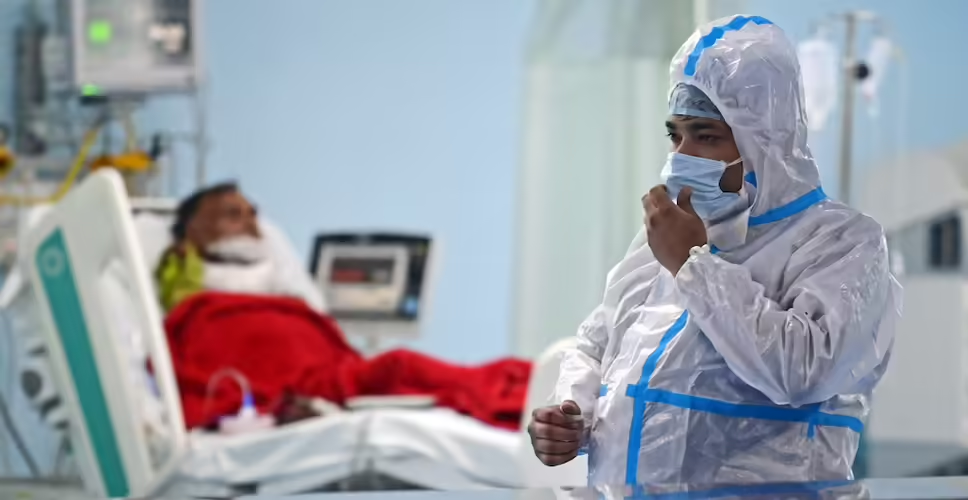

Rising Ebola Virus Cases in Africa
The threat of the Ebola virus is surging once again across African nations. Following outbreaks in Congo and neighboring regions, approximately 80 fatalities have been reported. In light of the escalating situation, the World Health Organization (WHO) has declared a global health emergency. This decision has prompted countries worldwide to remain vigilant and enhance their healthcare systems.
Details on the Current Outbreak
According to the WHO, the current outbreak is linked to the Bundibugyo strain, recognized as a particularly dangerous variant of the Ebola virus. Health experts warn that the virus can spread rapidly through physical contact, blood, and other bodily fluids from infected individuals. The challenge of controlling the outbreak is exacerbated by the inadequate healthcare facilities in many affected areas.
Healthcare Response and Measures
Hospitals in several impacted regions of Congo are facing increasing pressure. Local authorities, alongside international health organizations, are actively working to identify, isolate, and treat those infected. Additionally, the deployment of medical teams in the affected areas has been intensified, and special campaigns are being launched to raise public awareness.
International Health Precautions
The WHO has issued a warning that if the outbreak is not contained promptly, it could spread to other countries. Consequently, health screenings at international airports and border areas have been tightened. Several nations have begun screening travelers arriving from African regions.
Understanding the Risks of Ebola
Experts classify the Ebola virus as highly lethal, with a potentially high mortality rate. Initial symptoms include high fever, fatigue, headaches, muscle pain, and can progress to internal bleeding. Without timely treatment and isolation, the disease can become fatal.
Call for Global Support
The WHO has appealed to the global community to provide medical resources, medications, and financial assistance to the affected countries to prevent the spread of the virus. Scientists and health agencies around the world are closely monitoring this new Ebola crisis.