
Ebola Outbreak in Congo: WHO Raises Alarm Amidst Resource Shortages and Misinformation
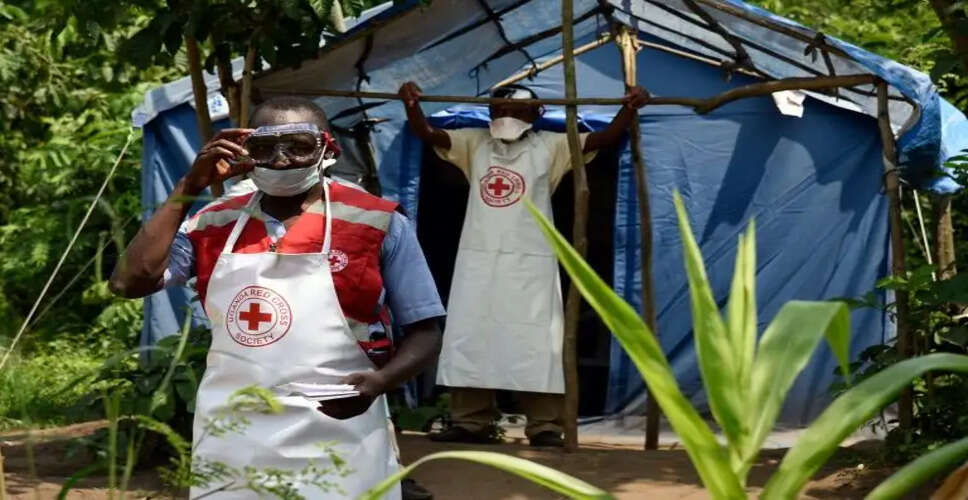

Ebola Crisis Escalates in Congo
Bunia (Congo): The Director-General of the World Health Organization (WHO) announced on Friday that the Ebola outbreak in Congo is rapidly escalating, now classified as posing a 'very high' risk due to insufficient medical resources and rising public discontent in a region already plagued by conflict.
Tedros Adhanom Ghebreyesus, the WHO chief, indicated that while the risk of the virus spreading globally remains low, the agency has revised its assessment of the situation within Congo from 'high' to 'very high.'
Currently, there are 82 confirmed cases and seven deaths attributed to the outbreak, but officials believe the actual numbers are significantly higher, with nearly 750 suspected cases and 177 suspected fatalities.
Efforts are underway to deliver medical supplies to Ituri province, where the outbreak has persisted for weeks, affecting many displaced individuals due to ongoing violence.
Healthcare workers on the front lines are facing challenges, including a lack of essential resources and resistance from the community, often fueled by misinformation and cultural practices that conflict with medical protocols.
Community Resistance and Misinformation
On Thursday, an Ebola treatment facility in Rwampara was set ablaze by local youths who were frustrated after being denied access to retrieve the body of a friend believed to have died from the virus, according to eyewitnesses and law enforcement.
Medical authorities are attempting to manage burials of Ebola victims, as their bodies can be highly infectious.
Julienne Lusenge, the head of a local aid organization, highlighted that the community's anger largely stems from misinformation. 'Years of conflict have made rumors spread easily,' she remarked.
Some religious leaders have misled their congregations, claiming the outbreak is fabricated and that divine intervention negates the need for medical assistance.
Aid Efforts and Resource Shortages
The United Nations announced on Friday that it has allocated $60 million from its Central Emergency Response Fund to enhance the response efforts in Congo and surrounding areas.
Additionally, the United States has committed $23 million to support the response in both Congo and Uganda, including plans to establish up to 50 Ebola treatment centers in the affected regions.
However, Ugandan officials reported on social media that they were unaware of any treatment centers being set up by the US.
Lusenge expressed concern that her organization’s small hospital near Bunia lacks basic protective gear, complicating the response to the outbreak. Patients with symptoms are initially assessed at the hospital before being referred to larger facilities, putting healthcare workers at risk of exposure.
'We have requested assistance from various partners, but have yet to receive substantial support,' Lusenge stated. 'Currently, we only have hand sanitizer and a few masks for our nurses, but we need much more.'
The Outbreak's True Scale
Both the WHO and the Africa Centers for Disease Control and Prevention suspect that the actual scale of the outbreak exceeds the confirmed cases reported thus far.
'I anticipate an increase in case numbers as surveillance efforts intensify,' remarked Jean Kaseya, Director-General of the Africa CDC.
Experts note that the region's already fragile health infrastructure has been further compromised by cuts in international aid.
The ongoing armed conflict complicates the crisis response, with over 920,000 people displaced in Ituri Province, according to UN estimates.
Local leaders reported that an attack by militants affiliated with the Islamic State resulted in at least 17 fatalities in Alima, a village in Ituri, on Tuesday.
'The outbreak can still be contained, but time is of the essence,' warned Gabriela Arenas from the International Federation of Red Cross and Red Crescent Societies. 'The actions taken in the coming days within communities and across borders will be crucial.'