
Ebola Outbreak Escalates in Congo Amid Rising Cases
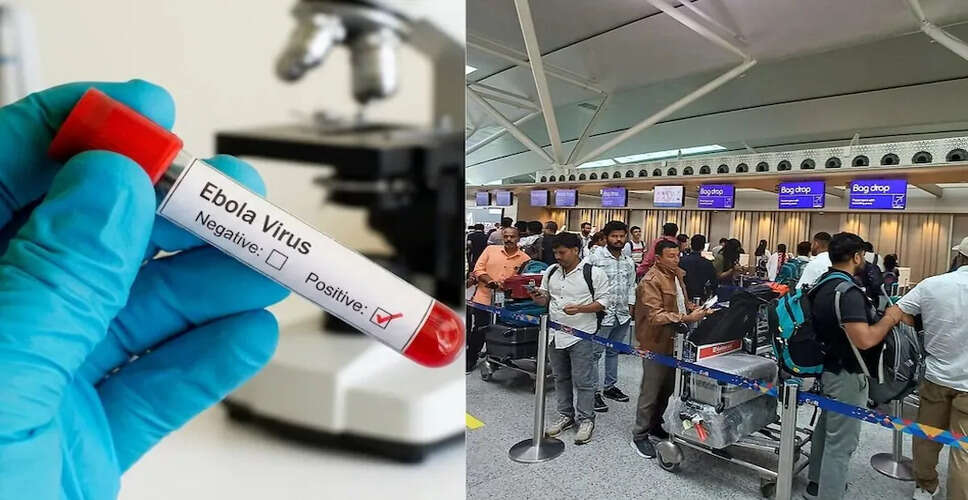

Ebola Virus Crisis in Congo
The Ebola virus outbreak in the African nation of Congo is worsening, with health officials reporting 72 new cases in the last 24 hours. This surge in infections has heightened concerns among authorities, as the healthcare system struggles to cope with the increasing number of patients. To date, the current outbreak has resulted in 181 fatalities, creating an atmosphere of fear and uncertainty in the affected regions.
According to data released by the health ministry, the virus is primarily spreading in the eastern and northeastern parts of the country. The situation is exacerbated by a lack of healthcare facilities and awareness in many remote areas. Experts believe that the actual number of infections could be significantly higher than reported, as many cases remain unidentified.
Ebola is a highly lethal viral disease that spreads through contact with the bodily fluids of infected individuals. Initial symptoms include high fever, headaches, weakness, muscle pain, and vomiting. In severe cases, both internal and external bleeding can occur, greatly increasing the risk of death.
In response to the rising cases, the Congolese government has intensified monitoring in the affected areas. Additional healthcare teams have been deployed, and suspected patients are being isolated. Efforts to trace and regularly monitor individuals who have come into contact with infected persons have also been ramped up.
International health organizations have expressed concern over the situation. Experts warn that if the spread of the virus is not controlled swiftly, it could extend to neighboring countries. Consequently, health checks and surveillance in border areas are being strengthened.
The increasing number of Ebola cases poses a significant challenge to Congo's already fragile healthcare infrastructure. Hospitals are experiencing shortages of beds, medications, and trained healthcare personnel. Many health centers are overwhelmed, treating more patients than their capacity allows, which places additional strain on medical services.
Experts emphasize the need for widespread public awareness, timely testing, isolation of infected patients, and an accelerated vaccination campaign to curb the outbreak. Currently, the government and international agencies are collaborating to manage the situation, but the rising cases indicate that Congo may face a long and arduous battle against Ebola.