
Domestic LPG Prices in India: Government Adjusts Rates Amid Global Surge
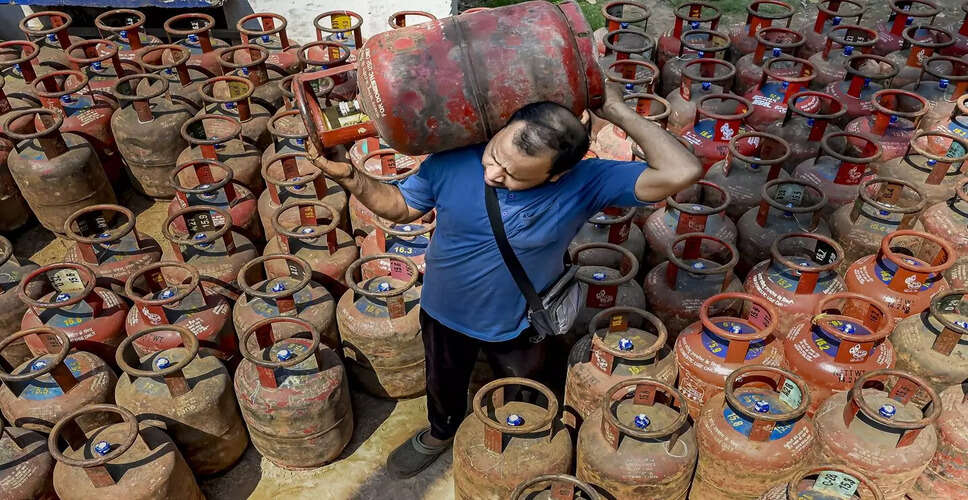

Price Adjustment of Domestic LPG
New Delhi, June 7: Despite a significant increase in international LPG prices due to disruptions in West Asia, Indian households still enjoy some of the lowest cooking gas prices worldwide. This announcement comes after the government raised domestic LPG prices by Rs 29 per cylinder.
The cost of a 14.2-kg domestic LPG cylinder in Delhi has been adjusted from Rs 913 to Rs 942. Beneficiaries of the Pradhan Mantri Ujjwala Yojana (PMUY) will continue to pay an effective rate of Rs 642 per cylinder, benefiting from a Rs 300 subsidy on the first four refills each year, a reduction from the nine refills allowed last year.
This price hike follows a previous increase of Rs 60 per cylinder on March 7, resulting in a total increase of Rs 89 for a 14.2-kg cylinder. Prior to this adjustment, state-run oil marketing companies were reportedly incurring losses of approximately Rs 703 on each LPG cylinder sold.
The government indicated that the cost of providing a domestic LPG cylinder has surged to over Rs 1,600 due to rising international prices, particularly following the outbreak of conflict in West Asia at the end of February.
India's LPG import costs are tied to the Saudi Contract Price (CP), which serves as the global benchmark for this fuel. Since February, this benchmark has increased by around 46% due to supply disruptions in the Gulf region, particularly around the Strait of Hormuz. Despite these increases, domestic LPG prices remain lower than those in neighboring countries like Pakistan, Nepal, Bangladesh, and Sri Lanka, and are significantly cheaper than prices in developed nations such as the United States, Australia, and Canada.
The government also highlighted that India is one of the few nations maintaining uninterrupted energy shipments through the Strait of Hormuz during the ongoing crisis, ensuring a steady supply of LPG and other petroleum products. To further safeguard availability, domestic LPG production has been ramped up, and alternative sourcing arrangements have been established.
As per the statement, cumulative under-recoveries on domestic LPG sales reached approximately Rs 60,000 crore by the end of the last financial year, compared to Rs 41,338 crore the previous year. The Union Cabinet has sanctioned Rs 30,000 crore in compensation to state-run oil marketing companies to help mitigate these losses. The government emphasized that the latest price revision aims to balance the need to protect households from fluctuating global energy prices while ensuring the continued availability of cooking fuel across the nation.
"The prices of petroleum products in India are influenced by international market rates. However, the government continues to adjust the effective price for consumers of domestic LPG. Any household can purchase as many cylinders as needed at Rs 942," the statement clarified.
"A PMUY beneficiary will also receive a direct benefit transfer of Rs 300 per cylinder for the first four refills each year, which aligns with the average annual consumption of a typical Ujjwala household, approximately four refills annually, resulting in an effective payment of Rs 642 for those refills; this support remains unchanged."
Even households not enrolled in PMUY will pay around Rs 700 less than the market-linked price of the cylinder.
Retail prices may vary slightly across different locations due to distribution costs.
"The burden of several hundred rupees per cylinder is absorbed by the government, ensuring that households do not face the full impact of rising international costs. This financial strain has been managed upstream rather than passed on to consumers," the statement noted.
While the price of commercial cylinders used by hotels and businesses is adjusted monthly based on international benchmarks, the price of domestic cooking cylinders is not subject to such automatic revisions.